Wilderness survival is a crucial aspect of survivalism and prepping, focusing on staying alive in the wild by mastering essential skills. You’ll need to source and purify water, construct effective shelter, start fires, and forage for food. It’s vital to understand your surroundings and navigate through unfamiliar terrain. Mastering these techniques can significantly enhance your chances of survival in emergency situations. There’s a wealth of knowledge to explore regarding these fundamental skills and how they interconnect to ensure your safety during a survival scenario.
Key Takeaways
- Wilderness survival is the ability to sustain oneself in natural environments by utilizing available resources for food, water, shelter, and safety, which is crucial for survivalists and preppers alike.
- Essential skills include water procurement and purification, constructing shelters, and mastering firecraft techniques for warmth and cooking, all vital for those preparing for potential emergencies.
- Foraging for edible plants while being knowledgeable about poisonous varieties is key for securing food sources in the wild, which is a fundamental aspect of prepping.
- Navigation skills, such as map reading and employing natural methods, are critical for finding your way and avoiding hazards in wilderness areas, vital for any survivalist.
- Understanding weather patterns allows individuals to adapt their survival strategies and prepare for extreme conditions, enhancing overall safety in the wilderness and aligning with the principles of prepping.
Understanding Wilderness Survival
Survivalism and prepping are centered around equipping yourself with the skills and knowledge necessary to thrive in natural environments, especially when faced with unexpected challenges.
Prioritizing hydration is crucial, which involves locating reliable water sources and understanding the Rule of 3s.
Prioritizing hydration is essential; knowing where to find water and the Rule of 3s can be lifesaving.
Familiarizing yourself with essential survival skills, such as identifying edible wild plants and mastering fire-making techniques, can be lifesaving.
Carrying a well-stocked first aid kit is vital for managing injuries during survival situations.
Furthermore, mental preparedness is key; it helps you remain calm and focused, allowing you to effectively utilize these skills, enhance your chances of survival, and navigate the challenges that nature may present.
The Importance of Shelter
When you’re caught in the wild, having a proper shelter can make all the difference in your survival. A well-built shelter provides essential protection against harsh weather, insects, and temperature extremes, helping you maintain body heat in wilderness survival situations.
Choose high, dry locations to avoid flooding and enhance insulation from the cold ground. Common structures like debris huts and lean-tos utilize natural materials for comfort and camouflage, allowing you to blend into your surroundings.
Incorporate a raised bed to reduce heat loss and layered insulation to combat conduction, convection, and radiation. Mastering these survival skills not only ensures your safety but also promotes mental clarity during challenging scenarios, making it an essential aspect of effective prepping and survivalism.
Sourcing and Purifying Water
In a survival situation, securing a reliable water source is your foremost priority, as humans can only survive approximately three days without water.
Seek out natural sources such as rivers, streams, and lakes, or even collect dew from vegetation during the early morning hours.
After locating a water source, it’s crucial to purify the water to ensure its safety for consumption.
Utilize methods such as boiling, chemical treatments, or solar disinfection to eliminate harmful pathogens and contaminants.
Being prepared with knowledge of these techniques can make a significant difference in your survival.
Identifying Water Sources
Finding reliable water sources is essential for survival in the wild, as it directly impacts your health and stamina.
In wilderness survival training and prepping, identifying water sources can make all the difference. Here are some tips to help you find water:
- Look for rivers, streams, and lakes, which are often the most reliable sources.
- Observe wildlife; birds and animal tracks can indicate nearby water sources.
- Collect dew from vegetation in the early morning as a potential water source.
- Check low-lying areas where water may pool, especially after rainfall.
- Always purify water before drinking, using methods such as boiling, filtration, or purification tablets, to ensure it’s safe for consumption.
Being prepared and knowledgeable about water sourcing can significantly enhance your survival strategy.
Purification Techniques Explained
While you might discover various water sources in the wild, ensuring that the water is safe for consumption is crucial for survival. One effective method is to boil water for at least one minute to eliminate pathogens; if you’re at higher elevations, extend this time to three minutes.
For chemical purification, chlorine or iodine tablets can be used, but it’s vital to strictly adhere to the manufacturer’s guidelines. Portable water filters are a practical solution for removing contaminants, but it’s important to understand their limitations and ensure they’re suitable for the specific water source you’re using.
Another option is solar disinfection, which involves placing clear plastic bottles filled with water in direct sunlight for six hours, leveraging UV radiation to kill harmful microorganisms.
Always prioritize water purification techniques to ensure your safety and well-being in the wilderness, as access to clean water is a fundamental aspect of survivalism and prepping.
The Role of Fire in Survival
Fire is a vital component of survivalism and prepping, serving multiple essential functions in the wilderness.
It provides warmth to protect against the elements, purifies water to ensure safe drinking, and allows you to cook food for nourishment.
Beyond these practical benefits, fire can also significantly boost morale and serve as a signal for help in emergency situations, making it an indispensable tool for those prepared for survival scenarios.
However, it’s crucial to know how to manage fire safely to prevent accidents and enhance your chances of survival in the wild.
Fire’s Survival Benefits
When navigating the challenges of survival, grasping the diverse benefits of fire can significantly increase your odds of thriving.
Here are the essential advantages you’ll gain:
- Provides crucial warmth, helping to prevent hypothermia in cold environments.
- Purifies water through boiling, ensuring it’s safe for drinking.
- Facilitates cooking food, enhancing digestibility and minimizing the risk of illness.
- Serves as a signaling device, with smoke and light detectable from great distances.
- Elevates morale and delivers psychological comfort, reinforcing a sense of community among survivalists.
In survival scenarios, fire isn’t merely a tool; it’s a vital lifeline that supports your health, safety, and overall well-being.
Fire Safety Practices
Understanding the benefits of fire is just the beginning; knowing how to use it safely is equally important for survivalist and prepping enthusiasts. Implement these essential fire safety practices to enhance your preparedness and guarantee your survival:
| Fire Safety Practice | Purpose | Emotional Impact |
|---|---|---|
| Maintain distance from flammable materials | Prevents wildfires and property loss | Peace of mind |
| Create firebreaks | Controls fire spread and protects resources | Enhances safety and security |
| Extinguish fires fully | Avoids accidental fires and ensures safety | Confidence in your environment |
| Use proper fire-starting techniques | Guarantees fire success for warmth and cooking | Boosts morale and self-reliance |
| Manage wildlife | Deters dangerous animals from your camp area | Sense of security and preparedness |
Embrace these practices for warmth, purifying water, and a secure camping experience as part of your survival strategy.
Foraging for Food: Skills and Techniques
How can you effectively identify and gather edible plants in the wild to enhance your survival skills? Start by honing your foraging expertise; familiarize yourself with the characteristics of local edible plants as well as the poisonous ones to avoid deadly mistakes.
Use the Universal Edibility Test cautiously when evaluating new sources of food. Pay close attention to seasonal availability, as this knowledge can significantly increase your chances of successfully finding wild foods.
Always prioritize safe water sourcing before focusing on food gathering, as hydration is crucial for survival. Finally, learn and practice preservation techniques such as smoking or drying to extend the shelf life of your foraged items, ensuring you have a reliable food supply in times of need.
- Recognize local edible plants for survival
- Avoid poisonous plants to stay safe
- Test with caution to ensure food safety
- Consider seasonal availability for successful foraging
- Master preservation techniques for long-term food storage
Navigating the Wilderness
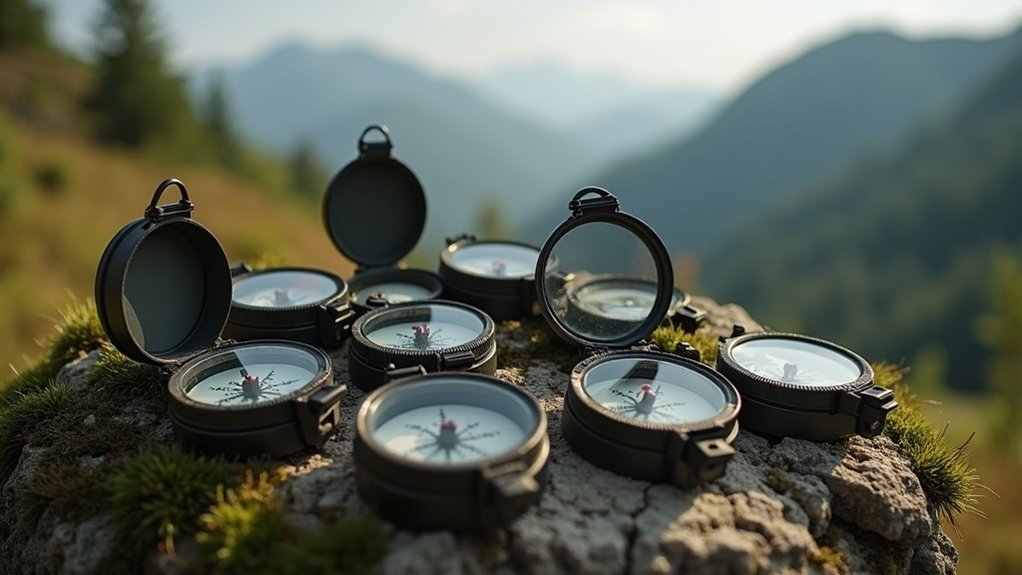
Where do you begin when navigating the wilderness for survival? Mastering navigation is crucial for any prepper. Start with map reading and compass skills to accurately determine your location and plot a reliable course. Practicing orienteering not only enhances these essential survival skills but also builds physical fitness as you navigate through various terrains.
Explore natural navigation by observing the sun’s position or moss growth, which can help you find direction without relying on tools. Familiarize yourself with GPS devices for quick location access, but always have backup plans and traditional methods in place. Understanding local weather patterns and potential hazards is vital for safe navigation and ensuring your survival.
| Navigation Method | Skills Required | Benefits |
|---|---|---|
| Map Reading | Spatial awareness | Accurate positioning |
| Compass Use | Direction finding | Reliable in fog/low visibility |
| Natural Navigation | Observation | No tools needed |
| Orienteering | Physical fitness | Enhances navigation |
| GPS Devices | Tech familiarity | Quick location access |
Essential Wilderness Survival Skills
Navigating the wilderness effectively lays the groundwork for mastering essential survival skills.
Prioritizing your basic needs is crucial for successful survival. Here are key skills every survivalist should develop:
- Water procurement and purification: Learn methods for sourcing and purifying water, using techniques like boiling or chemical treatments to ensure it’s safe for consumption.
- Identifying edible plants: Gain knowledge of safe, edible plant species to secure a reliable food source in the wild.
- Firecraft techniques: Master a variety of fire-building methods to create a safe and effective fire for warmth, cooking, and signaling.
- Constructing natural shelters: Learn to build shelters using available materials to protect yourself against harsh weather conditions.
- Wilderness first aid: Acquire essential first aid skills for treating injuries and managing emergencies while in the wilderness.
These skills are vital and can greatly enhance your chances of survival in difficult situations.