Urban survival is about preparing yourself to handle the unique challenges of city living, especially in the context of survivalism and prepping. In densely populated areas, competition for resources intensifies, particularly during crises. Essential skills such as first aid, situational awareness, and self-defense are crucial. Assembling a tailored survival kit is vital, including tools for water purification, multi-tools, and other necessary supplies. Additionally, building strong community ties is important for better resource access and mutual support. Explore more strategies to enhance your urban survival skills and increase your resilience in any situation.
Key Takeaways
- Urban survivalism emphasizes the importance of preparing for crises in densely populated areas where natural resources are scarce and competition for essentials can be intense.
- A well-equipped survival kit is vital, incorporating tools for self-defense, first aid supplies, and resources for identifying food and water sources.
- Cultivating relationships within the community is key for enhancing resource access, fostering resilience, and encouraging mutual support during emergencies.
- It’s essential to understand local laws regarding self-defense tools to ensure safety and avoid legal issues.
- Participating in preparedness training and engaging in bartering can significantly boost neighborhood readiness and self-sufficiency in the face of urban emergencies.
Understanding Urban Survival
When you think about survivalism, it’s easy to envision remote wilderness, but urban survival is just as crucial, particularly in densely populated areas.
In an urban survival scenario, you encounter unique challenges such as resource competition and the potential for civil unrest. Preparing for these situations means assembling a survival kit specifically designed for city life, filled with essential emergency supplies and tools for self-defense.
Mastering basic first aid skills is vital for managing injuries, and maintaining situational awareness is key to effectively assessing threats. Additionally, developing self-defense techniques can empower you to navigate the increased crime rates that often accompany crises, ensuring your safety as you move through your urban environment.
Unique Challenges of Urban Survivalism
Urban survivalism presents distinct challenges that you need to navigate carefully.
With higher population density, you’ll encounter intense competition for scarce resources like food and water.
Additionally, legal restrictions on self-defense tools may limit your options for personal safety, making it essential to develop alternative strategies.
Understanding these unique obstacles is crucial for effective prepping in an urban environment.
Resource Competition Dynamics
As cities become more crowded, the competition for essential resources intensifies, making urban survivalism particularly challenging.
In densely populated urban environments, you face heightened competition for food and water during crises. This scarcity often leads to desperation, which can drive crime rates up as individuals seek to secure what they need.
For survivalists and preppers, emergency preparedness becomes critical, as municipal services may be overwhelmed, delaying aid.
Unlike rural areas, urban settings typically lack immediate natural resources, compelling you to rely on scavenging, creativity, and strategic planning.
Understanding these dynamics is essential for effectively navigating the unique challenges of urban survival and ensuring you’re well-equipped to handle emergencies.
Legal Protection Limitations
Maneuvering through the legal landscape surrounding self-defense in urban environments can be daunting, particularly as laws vary significantly and can change without notice.
For survivalists and preppers, understanding local regulations regarding self-defense tools such as firearms and pepper spray is crucial. Many densely populated cities impose strict restrictions on carrying concealed weapons, which can limit your options for personal protection in emergency situations.
Legal repercussions for using these self-defense tools can differ greatly from those in rural areas, underscoring the importance of navigating these complexities with care. Staying informed about your rights and responsibilities is essential to ensure you can safeguard yourself without encountering unexpected legal challenges.
Essential Skills for Urban Survival
When preparing for potential crises in densely populated areas, honing essential urban survival skills is vital for any survivalist or prepper. Your situational awareness keeps you vigilant about your environment, allowing you to identify potential threats before they escalate.
Resource identification empowers you to find alternative sources of water, edible plants, and makeshift shelters, crucial for self-sufficiency during emergencies. Equipping yourself with basic first aid supplies and medical response skills is essential for treating injuries, controlling bleeding, and managing shock when professional help isn’t an option.
Strong navigation skills enable you to memorize routes and landmarks, ensuring you can execute quick and effective escapes. Finally, developing self-defense skills prepares you for the increased risk of crime in emergencies, ensuring you’re adequately equipped to protect yourself and your loved ones.
Preparing Your Urban Survival Kit
Building on the skills you’ve developed for urban survival, assembling a reliable urban survival kit is a critical next step for any serious prepper.
Start with essential supplies: a multi-tool for repairs and accessing food, and a four-way water key to ensure hydration during emergencies. Include water purification supplies to guarantee safe drinking water in an urban environment, as contaminated sources can pose significant health risks.
Essential supplies like a multi-tool and water purification tools are vital for urban survival during emergencies.
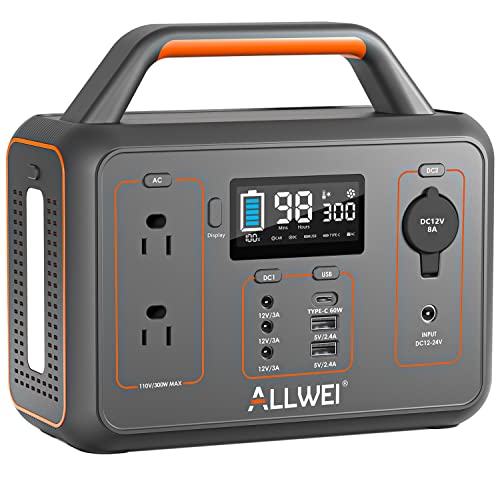
Don’t forget a portable charger and a battery-powered emergency radio to maintain communication networks during power outages, which can be vital in coordinating with fellow preppers or receiving important updates.
Keep cash and important documents handy for bartering and identification when traditional banking systems fail, as economic instability can arise unexpectedly.
Situational Awareness in the City
In the city, maintaining a heightened sense of situational awareness is essential for your safety and preparedness.
Stay vigilant for environmental threats and closely observe crowd behavior to identify potential dangers before they escalate.
By sharpening your situational awareness skills, you can better navigate urban challenges and enhance your readiness for any unforeseen circumstances.
Recognizing Environmental Threats
How can you ensure your safety in the bustling chaos of an urban environment? Start by recognizing environmental threats that could arise. High population density not only increases competition for resources during urban emergencies but also makes situational awareness crucial for survivalists.
Identify multiple escape routes as you navigate crowded spaces and familiarize yourself with your local geography. This knowledge allows you to locate essential water sources, such as fire hydrants and commercial building access points, which can be invaluable in a crisis.
Stay informed about nearby resources, including emergency shelters and first aid stations, and consider carrying a portable first aid kit. By remaining calm and making swift, informed decisions based on observed threats, you can significantly enhance your safety when chaos erupts.
Stay vigilant, prepared, and ready to act.
Assessing Crowd Behavior
What signals indicate that you should be cautious in a crowd? When evaluating crowd behavior, observe body language and expressions for signs of tension, as they can reflect potential threats. Recognizing environmental cues, like unusual sounds or sudden changes in atmosphere, is crucial for assessing danger. In emergencies, it’s vital to stay calm and navigate toward exits to avoid panic and ensure your safety. Familiarity with local geography can significantly enhance your ability to escape safely.
| Signal | Action to Take |
|---|---|
| Aggressive gestures | Maintain distance |
| Raised voices | Stay alert |
| Rapid movements | Look for exits |
| Sudden silence | Evaluate surroundings |
| Crowded pushing | Move calmly away |
Always be prepared and aware of your surroundings, as this knowledge can be vital in a crisis situation.
Resource Acquisition Strategies
As urban emergencies unfold, quickly securing essential resources like food and water becomes vital to your survival.
Effective resource acquisition strategies for survivalists and preppers include:
- Scavenging in urban environments such as abandoned buildings or restaurants for hidden supplies that may sustain you.
- Utilizing tools like a four-way water key to access water from locked commercial buildings, ensuring you have a reliable source of hydration.
- Bartering with other survivors, exchanging goods and skills to meet your immediate needs and build a network of support during crises.
- Building relationships with community members and local businesses to receive early alerts on available resources, enhancing your preparedness and resilience in emergency situations.
Building Community Resilience for Survival
While urban emergencies can strike unexpectedly, building community resilience is crucial for survival in a prepping mindset. By forging connections with local businesses and leaders, you enhance resource availability during crises. Engage in emergency response groups to share skills and boost neighborhood preparedness. Organizing group purchasing for supplies not only reduces costs but ensures that everyone has access to vital resources. Establishing community gardens strengthens food security and fosters social cohesion, vital in times of need. Regular drills improve response times, ensuring that your community is equipped to handle emergencies effectively.
| Initiative | Benefits |
|---|---|
| Local Business Networks | Improved access to essential resources |
| Emergency Response Groups | Skill sharing and heightened preparedness |
| Group Purchasing | Cost reduction and enhanced resource access |
| Community Gardens | Strengthened food security and community ties |
| Regular Drills | Enhanced emergency response readiness |