Off-grid power systems are essential for survivalists and preppers, as they provide a reliable source of electricity independent from utility grids. By harnessing renewable energy sources like solar, you can ensure your energy needs are met even in emergencies or disasters. These systems typically consist of solar panels, batteries for energy storage, and inverters for power conversion. While they promote sustainability and can yield long-term savings, it’s important to note that they require a significant initial investment and ongoing maintenance. Understanding how to manage your energy consumption effectively is crucial for preparedness, and there’s a wealth of information available on setting up and optimizing these systems for your survival needs.
Key Takeaways
- Off-grid power systems are essential for survivalists and preppers, as they operate independently from utility grids, harnessing renewable energy sources like solar panels for reliable electricity generation.
- Key components of these systems include solar panels, durable battery storage, robust inverters, and efficient charge controllers, all crucial for managing energy supply and storage effectively.
- Emphasizing sustainability, off-grid setups significantly reduce carbon footprints and dependence on fossil fuels, aligning perfectly with the values of self-reliance and preparedness.
- Initial setup costs can vary between $12,000 to $70,000, but the long-term savings on electricity bills and the ability to maintain energy independence make it a worthwhile investment for those preparing for uncertain times.
- Off-grid living enhances resilience, providing a dependable power supply during outages and fostering self-sufficiency in energy management, which is vital for any survivalist strategy.
Understanding Off-Grid Power Systems
Understanding off-grid power systems is crucial for anyone serious about survivalism and prepping. Off-grid solar systems function independently from the local utility grid, enabling you to harness renewable energy sources, such as solar panels, for your power needs.
These systems consist of essential components, including battery storage for energy retention and inverters to convert DC electricity into AC for household use. While installation costs can vary significantly, ranging from $12,000 to $70,000, they provide vital autonomy from traditional utilities, offering a safeguard against power outages that could disrupt your preparedness plans.
However, the responsibility for maintenance lies with you, necessitating regular inspections and potential replacements of batteries and solar panels to ensure optimal performance in any situation.
Key Components of Off-Grid Systems
When establishing an off-grid system for survival and prepping, it’s crucial to comprehend the fundamental components for optimal energy management.
Solar panels are essential for capturing energy from the sun, while batteries provide the necessary storage to ensure you have power when needed. An inverter is also important, as it converts stored energy for household use.
To enhance the reliability of your system, consider incorporating additional tools like charge controllers to manage battery charging efficiently and backup generators to ensure you’re never left without power in critical situations.
A well-rounded system not only supports daily living but also fortifies your preparedness for emergencies.
Essential System Components
To successfully harness off-grid power for survival and prepping, it’s crucial to focus on several essential system components that work together to create a reliable energy solution.
Solar panels capture sunlight, converting it into DC power for energy generation, which is vital for maintaining independence in a crisis. A charge controller regulates electricity flow between the solar panels and batteries, preventing overcharging and ensuring longevity of your power storage.
Batteries are key for storing excess power generated during sunny periods, guaranteeing energy availability when sunlight is scarce or during emergencies. An inverter then converts this DC power into AC, making it suitable for household appliances and essential devices.
Additionally, a Smart Distribution Panel enables you to monitor and manage your energy consumption effectively within your off-grid systems, optimizing overall performance and enhancing your preparedness for any situation.
Energy Storage Solutions
Energy storage solutions are crucial for survivalism and prepping, as they ensure you have reliable access to power even during extended periods of low sunlight or at night.
Batteries, primarily lead-acid and lithium-ion, are essential for storing excess energy generated by solar panels, allowing you to maintain power in emergency situations. Lithium-ion batteries, particularly lithium iron phosphate (LFP), provide longer lifespans and more cycles than traditional lead-acid options, making them a smart choice for those preparing for self-sufficiency.
Properly sizing your storage capacity is vital to ensure you have enough energy during low generation periods, especially when resources may be scarce.
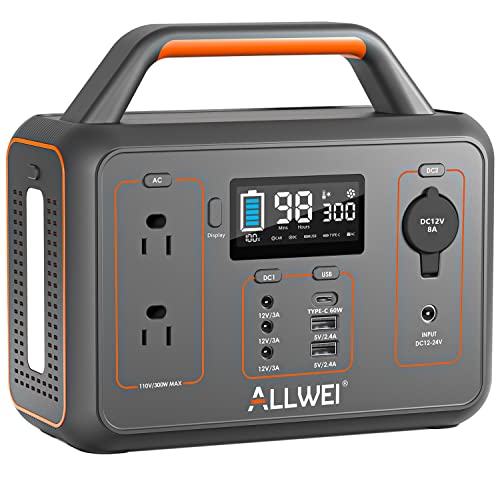
Portable power stations, which utilize lithium-ion technology, offer versatility for energy use in remote locations or during critical situations.
Furthermore, hybrid energy systems enhance reliability by combining battery storage with traditional generators, ensuring consistent power availability when it matters most.
Benefits of Off-Grid Power Solutions
As you delve into off-grid power solutions, you’ll soon uncover their myriad benefits, particularly in bolstering self-sufficiency and preparedness.
Here are three essential advantages:
- Sustainability: By harnessing renewable energy sources such as solar, off-grid systems significantly minimize your carbon footprint and reliance on fossil fuels, crucial for those committed to sustainable living.
- Lower Long-Term Energy Costs: Utilizing free natural resources not only leads to substantial savings over time but also reduces dependency on external energy suppliers, aligning perfectly with survivalist principles.
- Resilience: Off-grid systems ensure a consistent supply of electricity during power outages or grid failures, offering peace of mind and security when facing unforeseen circumstances.
These attributes make off-grid power solutions an indispensable choice for those focused on self-reliance and effective preparedness in an unpredictable world.
Drawbacks of Off-Grid Power Systems
While off-grid power systems can be a crucial component of survivalism and prepping, they also come with significant drawbacks that those looking to become self-sufficient must carefully consider.
The initial investment can be steep, ranging from $12,000 to $70,000, which may pose a challenge for many. Limited energy storage capabilities could lead to power shortages during times of low sunlight or inclement weather, leaving you vulnerable when you need power the most.
The steep initial investment and limited energy storage can leave off-grid homeowners vulnerable during critical times.
Maintenance responsibilities, including the upkeep of batteries and solar panels, can lead to unexpected expenses that can strain your resources.
Moreover, ensuring a steady fuel supply for generators can create logistical challenges, particularly in emergency situations where access to fuel may be compromised.
It can take years to recover the initial setup costs, depending on your energy consumption and the efficiency of your system, so careful planning and commitment are essential for anyone considering the off-grid lifestyle.
Cost Considerations for Off-Grid Solutions
When evaluating off-grid power solutions for survivalism and prepping, it’s crucial to balance the initial setup costs with the long-term benefits for self-sufficiency.
Expenses can vary widely, depending on system size and components, with total investments often exceeding $25,000.
However, leveraging federal tax credits can alleviate some of this financial strain.
It’s vital to assess both upfront costs and potential savings over time to ensure your off-grid setup enhances your preparedness for any situation.
Initial Setup Expenses
Setting up an off-grid power system is crucial for survivalists and preppers, and it involves significant initial expenses that can range from $12,000 to $70,000.
These costs are influenced by factors such as the system’s size, chosen power source, and battery storage requirements. Here are some essential costs to consider for your self-sufficient energy setup:
- Solar panel array: A robust 10 kW system typically starts at around $5,000, a solid investment for energy independence.
- Battery storage: To ensure you have power during outages or low sunlight, a system with 20 kWh of storage can add approximately $20,000 to your total setup costs.
- Installation costs: Hiring professionals for the installation usually ranges between $3,200 and $4,600, depending on the system’s complexity.
Additionally, don’t overlook federal solar tax credits, which can significantly reduce your upfront expenses, making it easier to prepare for any situation that may arise.
Long-Term Financial Benefits
Investing in an off-grid power system isn’t just about meeting your immediate energy needs; it’s a strategic move for long-term survival and financial resilience.
While the initial setup costs can range from $25,000 to $70,000, the potential for significant savings on electricity bills is undeniable. In fact, many individuals find they can completely eliminate monthly utility expenses, which is crucial for those preparing for uncertain economic conditions.
Federal solar tax credits can further ease this financial commitment, offering a 26% reduction through 2022 and 22% through 2023. Moreover, various state-level incentives can enhance the feasibility of your investment.
Conducting a thorough cost-benefit analysis will reveal that off-grid living not only promotes cost stability but also provides independence from unpredictable energy prices. This makes it an essential strategy for anyone focused on self-sufficiency and preparedness for the future.
Steps to Set Up an Off-Grid Power System
To successfully set up an off-grid power system for your survivalist and prepping needs, you first need to assess your total power consumption by listing all appliances and their wattages. This crucial step helps you determine your energy needs and system size for self-sufficiency.
Assess your total power consumption by listing appliances and their wattages to determine your energy needs for off-grid living.
Next, follow these steps:
- Select solar power systems and batteries that align with your energy consumption requirements, ensuring reliable storage for emergencies and off-grid living.
- Position solar panels strategically to maximize sunlight exposure, enhancing energy capture and ensuring you have power when you need it most.
- Install a Smart Distribution Panel to monitor energy distribution, allowing you to efficiently adjust based on daily energy usage and maintain control over your power supply during critical situations.