Load shedding is a crucial survival mechanism utilized by utility companies to manage electricity supply during times of high demand or limited resources. It aims to prevent grid overloads and maintain stability in the face of potential failures. The process is categorized into different stages, typically ranging from 1 to 8, each indicating the severity and duration of power cuts required to ensure the grid remains functional. When load shedding is enacted, specific areas will face temporary outages, allowing other regions to retain power.
For those focused on survivalism and prepping, understanding load shedding is vital for effective preparation. It’s important to anticipate and plan for these disruptions, ensuring you have alternative energy sources, adequate supplies, and a strategy for navigating extended periods without electricity. Explore further to learn about the impacts of load shedding and how to develop a robust plan to stay prepared during these challenging times.
Key Takeaways
- Load shedding is a crucial practice for survivalists, as it involves the intentional reduction of electricity supply to prevent grid overloads, especially during high demand or limited supply.
- Understanding the stages of load shedding, from 1 to 8, can help preppers plan for the severity and extent of power cuts they may face.
- In critical situations like extreme weather or unexpected supply issues, rolling blackouts may be enforced, highlighting the importance of being prepared for grid instability.
- Load shedding can significantly disrupt daily activities, impacting household routines, businesses, and access to essential services, which is why preppers prioritize emergency plans and backup systems.
- Investing in renewable energy sources and energy conservation techniques is essential for preppers, as it can mitigate the impacts of load shedding and enhance overall energy security in uncertain times.
Understanding Load Shedding
Load shedding is a crucial strategy used to maintain the stability of electrical grids, especially during times of high demand or limited supply. For survivalists and preppers, understanding load shedding is vital, as it can significantly impact your ability to access electricity.
When electricity supply is intentionally reduced, it helps balance demand and prevent grid overloads that could result in widespread blackouts. This means that during critical situations—like extreme weather events or sudden spikes in energy use—rolling blackouts may be enforced, affecting different areas at designated times.
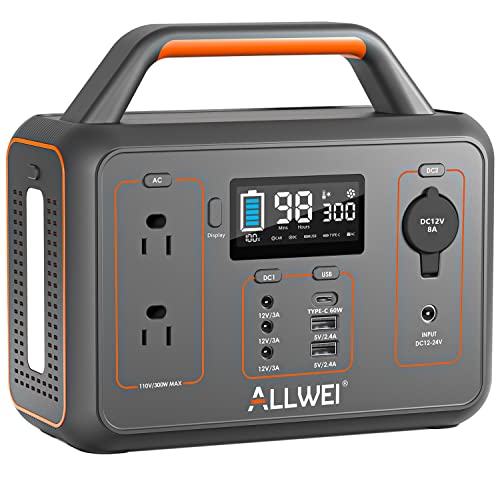
For those preparing for self-sufficiency, it’s essential to recognize the factors that can trigger load shedding and plan accordingly. By investing in alternative energy sources, such as solar panels or backup generators, and improving energy efficiency in your home, you can reduce reliance on the grid.
This proactive approach not only helps mitigate the effects of power shortfalls but also enhances your overall preparedness and resilience in the face of potential electrical supply disruptions.
Different Stages of Load Shedding
As electricity demand fluctuates, understanding the stages of load shedding is crucial for preparedness and survivalism. Eskom categorizes load shedding into multiple stages, typically ranging from 1 to 8, each indicating the level of power cuts necessary to maintain a balance between electricity supply and demand.
Higher stages signal a greater need for extensive power outages, leading to predetermined schedules of rolling blackouts that distribute the impact evenly across regions. For survivalists, these stages represent not just inconveniences, but essential information to plan for controlled outages during peak demand periods or emergencies.
Rapid changes in stages depend on real-time monitoring, making it imperative to stay informed about current load shedding statuses. This knowledge allows you to manage your electricity usage effectively and prepare for potential disruptions to your daily routine and essential services.
How Does Load Shedding Work?
When the electricity grid faces high demand or unexpected supply issues, utilities implement load shedding to maintain stability, a crucial concept for survivalists and preppers. This process intentionally disconnects electricity supply to specific areas, balancing demand when it exceeds supply.
Power utilities monitor grid conditions and initiate rolling blackouts to ensure that other regions retain service. For those preparing for potential emergencies, understanding automated systems that respond rapidly—often within seconds—is essential. These systems stabilize the grid by shedding predetermined loads based on real-time data.
Customers typically receive limited notice before load shedding occurs, highlighting the need for preparedness. Being aware of such measures is vital for preppers, as load shedding serves as an emergency response to prevent larger outages or grid failures, ultimately ensuring a more reliable electricity supply for those who are ready to adapt to challenges.
Countries Experiencing Load Shedding
Many countries are facing the harsh reality of load shedding, a critical issue for survivalists and preppers alike, as it highlights the importance of self-sufficiency and preparedness. In South Africa, Eskom implements scheduled power outages to cope with an ongoing energy crisis, making it crucial for individuals to have alternative power sources, such as generators or solar panels, to ensure they can maintain essential functions during these outages.
In India, rural areas often endure hours of power cuts due to a combination of inadequate generation capacity and soaring demand. This situation serves as a reminder to preppers to stockpile essential supplies and invest in reliable lighting and cooking solutions that do not rely on the grid.
Pakistan is another country grappling with daily outages in major cities, a situation worsened by aging infrastructure. For survivalists, this underscores the need for contingency plans and backup systems to manage without electricity for extended periods.
In Australia, controlled load shedding occurs during extreme heatwaves, demonstrating the vulnerability of even developed nations to climatic events. Preppers here can take cues from this scenario to develop heat mitigation strategies and ensure they have adequate water and cooling supplies.
Lastly, the U.S. has also experienced similar instances of load shedding during severe weather events, reinforcing the importance of being prepared for unexpected disruptions to power supply.
| Country | Duration of Outages | Causes |
|---|---|---|
| South Africa | Varies | Energy crisis |
| India | Several hours | High demand, inadequate supply |
| Pakistan | 4 to 12 hours | Aging infrastructure |
| Australia | Temporary | Extreme weather |
| United States | Varies | Severe weather events |
Understanding these challenges can help survivalists and preppers devise effective strategies to mitigate the impact of load shedding in their own lives.
Impact of Load Shedding on Residents
Load shedding poses significant challenges for those focused on survivalism and prepping. It disrupts daily routines and essential household activities such as cooking and cleaning, making it crucial for residents to adapt their strategies.
Load shedding significantly disrupts daily life, compelling survivalists to adapt their strategies for essential household activities.
The impact of electricity outages can be profound, hindering access to vital services and reducing overall productivity. For businesses, particularly small enterprises, decreased efficiency can lead to potential revenue loss, which heightens anxiety within the community.
In a survival context, these interruptions can also affect education, as students may struggle to access learning materials during power failures, limiting their preparedness for future challenges.
While some individuals may find community support during these trying times, others may feel isolated in their efforts to maintain a self-sufficient lifestyle.
Ultimately, load shedding influences how you communicate, learn, and engage in essential survival activities, significantly altering your quality of life and preparedness for unforeseen events.
Strategies to Mitigate Load Shedding Effects
How can individuals and communities effectively prepare for and navigate the challenges posed by load shedding? Implementing demand response strategies allows households to adjust their electricity usage during peak periods, thereby reducing strain on the grid and ensuring essential power is available when needed. Utilizing energy-efficient appliances and smart technology can significantly minimize overall consumption, which is crucial in times of limited power supply. Incorporating renewable energy sources, such as solar panels, not only enhances power supply stability but also provides a degree of self-sufficiency. Establishing community-based energy storage systems enables the collection and storage of excess energy for use during peak demand times, reinforcing resilience. Furthermore, promoting energy conservation practices—such as turning off lights, unplugging devices, and using generators as a backup—can lead to collective reductions in demand, crucial in a survivalist context.
| Strategy | Impact on Load Shedding |
|---|---|
| Demand Response | Reduces peak power strain |
| Renewable Energy Sources | Increases generation capacity |
| Energy Conservation Practices | Lowers overall demand |