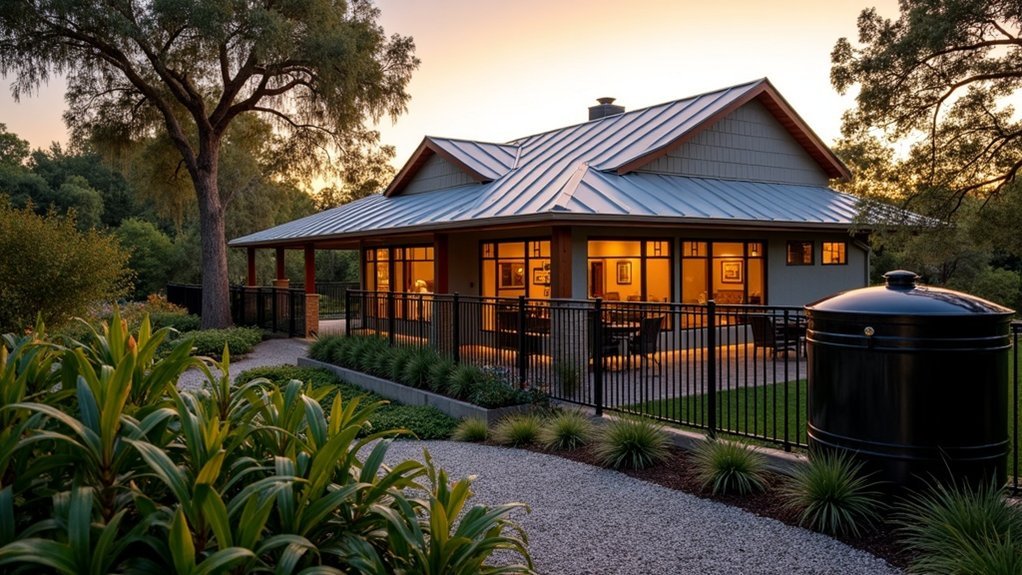
Home hardening is a crucial strategy for preppers looking to protect their property from the threat of wildfires. By employing fire-resistant materials and specific construction techniques, you can significantly reduce the risks associated with heat and flying embers. Essential components of home hardening include using non-combustible roofing, installing double-paned windows, and ensuring that vents are properly screened. Additionally, maintaining a defensible space and keeping combustible materials at a safe distance will further enhance your property’s protection. This proactive approach not only fortifies your home but also contributes to community resilience in the face of natural disasters. For survivalists, there’s a wealth of knowledge to explore regarding effective home hardening practices that can ensure safety and security.
Key Takeaways
- Home hardening is a vital strategy for survivalists and preppers, aimed at safeguarding properties from wildfires by bolstering resilience against heat, flames, and ember ignition.
- This approach includes utilizing fire-resistant materials for roofs, windows, vents, eaves, and siding to significantly reduce ignition risks.
- Implementing proper vent screenings and sealing any openings is crucial to prevent embers from infiltrating homes and igniting fires.
- Establishing and maintaining a defensible space around your property, along with regular upkeep, can diminish the risk of ember accumulation and enhance overall safety.
- Additionally, community resources and financial assistance programs can help homeowners effectively implement home hardening measures, ensuring that their preparations for potential wildfires are thorough and effective.
Understanding Home Hardening
Home hardening is an essential strategy for survivalists and preppers focused on protecting their property from the increasing risks posed by wildfires. This proactive approach enhances your home’s resilience against heat, flames, and ember ignition through the use of specialized building materials and installation techniques.
By prioritizing fire-resistant features such as robust roof coverings and non-combustible materials like metal or brick, you can significantly lower your risk of fire damage. Moreover, maintaining clear gutters and properly sealing vents helps prevent embers from entering your home.
Regular upkeep of these critical components is vital for enhancing wildfire safety and establishing a strong defensible space around your property. Understanding these elements is crucial for effective home hardening and ensuring your preparedness against the threat of wildfires.
Key Components of Home Hardening
Effective home hardening is a crucial aspect of survivalism and prepping, especially for those living in wildfire-prone areas. A comprehensive understanding of the key components that enhance a property’s defenses against wildfires is essential for any prepper.
Start with the roof: utilizing non-combustible materials like metal or tile is vital for fire resistance.
Next, focus on windows; double-paned or tempered glass should be your choice, and adding metal frames can provide extra protection against embers.
It’s important to ensure that vents are equipped with 1/8-inch metal screening to prevent ember ignition from entering your home.
Enclosing eaves with non-combustible materials will further fortify your defenses.
Lastly, when it comes to siding, opt for fire-resistant options such as brick or cement board to significantly lessen the risk of ignition.
Ember Ignition Risks and Prevention
Embers pose a serious threat to your home and overall survival, as they can easily infiltrate through vents, open windows, and gaps in roofing. To effectively mitigate this risk, it’s crucial to implement measures that prevent ember entry.
Start by installing proper vent screenings and sealing any openings in your home. Additionally, maintain a defensible space by keeping combustible materials, such as firewood and dry vegetation, at least 30 feet away from your property.
Regular maintenance is key—ensure that you remove debris from gutters and roofs to minimize ember accumulation. By taking these precautions, you can significantly enhance your home’s resilience against potential ignition and better prepare for any emergency situation.
Ember Entry Prevention
As you prepare to safeguard your homestead from wildfire threats, understanding ember ignition risks is crucial, as many fires begin from embers that infiltrate through vents or open windows.
To prevent ember entry, consider installing 1/8-inch metal screening behind vents and routinely maintaining gutters and roofs to remove accumulated debris. This will help to avert the ignition of combustible materials nearby.
Enclose eaves and soffits with non-combustible materials to reduce vulnerability. Additionally, assess your property for crevices and implement strategic landscaping to create defensible space, effectively minimizing fire spread.
Combustible Material Management
Managing combustible materials around your home is crucial for survivalism and prepping, especially in reducing ember ignition risks during a disaster scenario.
To effectively prevent ignition, follow these steps:
- Regular cleaning: Routinely clear away accumulated debris, such as leaves and pine needles, from gutters and roofs to minimize fire hazards.
- Zone 0 management: Maintain a safety perimeter by keeping combustible materials, including firewood and mulch, at least 5 feet away from your home to create a defensible space.
- Ventilation protection: Install 1/8-inch metal screening behind vents to prevent embers from entering your living space, ensuring your home remains a safe haven.
- Landscaping techniques: Opt for fire-resistant plants in your landscaping and ensure there’s a considerable distance between vegetation and structures to enhance your home’s resistance to ignition.
Implementing these strategies not only ensures effective combustible debris management but also significantly boosts your home’s safety in emergency situations.
Importance of Building Materials
When it comes to preparing your home for potential disasters, the choice of building materials is crucial for enhancing fire resilience. Selecting non-combustible roofing materials, such as metal or Class A shingles, can significantly reduce the risk of ignition.
Fire-resistant siding options like brick or cement board provide a robust barrier against ember attacks and radiant heat, which is essential for survival in fire-prone areas. For outdoor spaces, choosing decking materials that resist ember exposure is important for maintaining safety.
Implementing proper landscaping with fire-resistant plants and establishing clear zones around your structures can further improve your defensive measures. Furthermore, utilizing fire-retardant treated lumber and installing double-paned windows can dramatically enhance your home’s resilience against heat and flames, ensuring long-term protection and preparedness for any potential threats.
Preventative Actions for Homeowners
To effectively protect your home and enhance your survival capabilities, regularly inspect and maintain your roof and gutters, ensuring debris is cleared to prevent fire hazards.
Installing ember-resistant vents and screens can significantly decrease the risk of ignition from flying embers, a crucial consideration for those preparing for potential wildfires.
By taking these preventative actions, you not only fortify your home against natural disasters but also create a safer living environment for you and your loved ones.
Regular Maintenance Practices
While many survivalists focus on security measures, regular maintenance practices are equally crucial for protecting your home from fire hazards.
Here are key actions you should take to ensure your preparedness:
- Regularly clear vegetative debris from gutters and roofs to prevent ignition from embers, enhancing your home’s resilience against unexpected fires.
- Inspect and fortify eaves by enclosing them with non-combustible materials to block ember entry, creating a safer environment for you and your family.
- Ensure vents are designed to resist ember ignition by installing 1/8-inch metal screening, which serves as a barrier against potential fire threats.
- Maintain a defensible space by removing combustible materials and integrating fire-resistant materials, such as double-paned glass for windows, into your home design.
Ember-Resistant Installations
Ember-resistant installations are vital for survivalists and preppers looking to protect their homes from the devastating impact of wildfires. These installations significantly reduce the likelihood of embers igniting combustible materials in your living space, which is crucial in emergency situations. Utilizing 1/8-inch metal screening behind vents and installing dual-pane or tempered glass windows can greatly enhance your home’s defenses against fire. Additionally, enclosing eaves with non-combustible materials and integrating fire-resistant landscaping can create a strong defensible space that bolsters your preparedness. Regular upkeep, such as removing debris from gutters and roofs, is essential to prevent accumulation of materials that could catch embers.
| Installation Type | Benefits |
|---|---|
| Metal Screening | Minimizes ember entry and protects your space |
| Tempered Glass | Provides superior heat resistance in emergencies |
| Fire-resistant Landscaping | Establishes a protective barrier against wildfires |
Community Resources and Support
As you prepare for the potential challenges posed by wildfires, utilizing community resources can significantly bolster your efforts to enhance your home’s resilience.
Here are some valuable options to consider:
- Join Firewise USA® for essential tools and strategies on creating defensible space and fortifying your home against wildfires.
- Connect with local fire departments for inspections and educational programs that address fire hazards and provide actionable advice.
- Participate in Fire Safe programs to collaborate with neighbors, share knowledge, and develop community-wide strategies for wildfire preparedness.
- Take advantage of the Truckee Fire’s Rebate Program, which offers up to 50% back on home hardening projects, making it more accessible for homeowners to invest in fire-resistant materials and improvements.