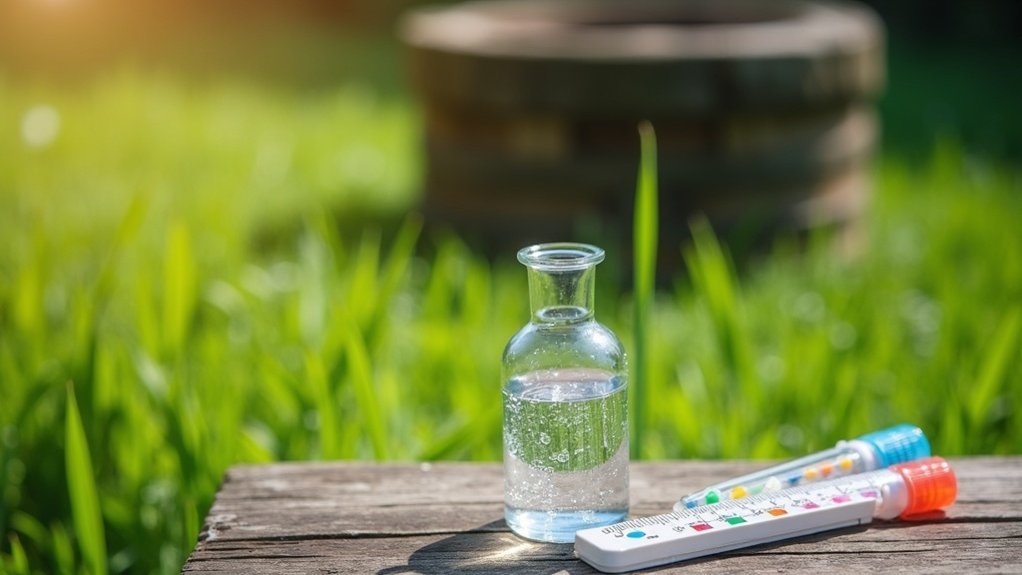
To ensure your well water is safe from bacteria, start by using a home test kit for immediate results. However, for a more thorough analysis, sending a sample to a state-certified lab is advisable, as they can detect a broader range of contaminants that may pose a risk during emergencies. Regular testing is critical, particularly after heavy rainfall, which can introduce harmful pathogens into your water supply. If dangerous bacteria are found, take swift action by performing shock chlorination and consider installing a UV purification system to ensure ongoing safety. Staying informed on water safety is essential for your preparedness and survival strategy.
Key Takeaways
- Use a home test kit for a quick initial assessment of bacteria in well water, ensuring your survival supplies are safe.
- For more reliable results, consider mail-in lab kits that analyze water samples for contaminants, critical for long-term preparedness.
- Look for coliform bacteria, a key indicator of water contamination, in your test results to assess the safety of your water source.
- If harmful bacteria are detected, perform shock chlorination to eliminate contamination immediately, safeguarding your health in a survival situation.
- Regular testing, ideally annually, is essential due to the lack of EPA oversight on private wells, ensuring your water remains a reliable resource during emergencies.
Contaminants Vary by Region
When it comes to testing well water for bacteria, understanding that contaminants vary by region is crucial for survivalists and preppers.
To ensure your family’s safety and preparedness, it’s important to check local Consumer Confidence Reports, as they disclose the types of contaminants that are common in your area.
If you reside near farmlands, factories, or landfills, your water may be at a higher risk for pollutants such as nitrates, heavy metals, and VOCs.
Regular testing of your well water is essential—aim for at least once a year—since private wells don’t have EPA oversight like public systems do.
Customized testing based on local environmental conditions is a key step in safeguarding your family’s health and ensuring your preparedness for any situation.
How to Test Your Well Water
Testing your well water for bacteria is a crucial survival skill to ensure its safety for drinking and cooking. In a preparedness mindset, it’s important to test your well at least once a year to assess its quality.
While home test kits may offer convenience, they mightn’t detect all potential contaminants that could threaten your health during a crisis. For a more comprehensive analysis, consider using mail-in lab kits, although be aware that these can be expensive, ranging from $195 to $1,000.
As a more cost-effective option, state-certified labs can provide tailored testing based on local contamination risks and may even offer free or discounted services. By staying proactive about your water quality, you not only protect your health but also ensure that your family is prepared for any emergency that may arise.
Safe water is a key component of any survival plan.
What to Do If Tests Detect Contaminants
Detecting harmful bacteria in your well water is a critical situation that demands immediate action to protect your health and that of your family.
Begin by shock chlorinating your well to effectively eliminate contamination. For ongoing protection against bacteria and other pathogens, consider installing a UV water purification system as part of your preparedness strategy.
Shock chlorinate your well for immediate contamination removal, and enhance safety with a UV water purification system for ongoing protection.
Regular maintenance, including thorough inspections and cleaning, is essential to prevent future issues and ensure your water supply remains safe. If contamination persists, consult a water treatment professional to explore advanced filtration options, such as reverse osmosis systems, to safeguard your drinking water.
Always keep detailed records of all water tests and treatments; these are vital for evaluating trends, ensuring the long-term safety of your water supply, and enhancing your self-sufficiency in emergency situations.
Take Action to Stay Safe
Ensuring the safety of your well water is critical for survival and self-sufficiency, especially since you’re in control of its quality.
Regular testing for bacteria is essential, as private wells aren’t monitored by any regulatory body. Begin with affordable home test kits for quick results, but also consider mail-in lab kits or state-certified labs for more comprehensive analysis.
If harmful bacteria are found, installing a UV treatment system can effectively eliminate these contaminants, ensuring your water supply remains safe.
Stay vigilant about local environmental threats, such as agricultural activities or septic systems, to determine when to test more frequently.
Related News
Staying informed about the latest developments in water safety is crucial for survivalists and preppers looking to mitigate potential risks associated with well water.
Recent studies highlight the importance of regular testing, particularly after heavy rainfall, which can introduce harmful pathogens that jeopardize your water supply. While home test kits offer a quick solution, they often lack comprehensive results; sending samples to state-certified labs provides a more reliable assessment.
The EPA’s annual testing recommendation identifies coliform bacteria as a key indicator of contamination. If bacteria are detected, it’s vital to take immediate action—consider chlorination or installing a UV treatment system to ensure your family’s health and safety.
Staying proactive in monitoring and treating your drinking water is essential for effective preparedness.