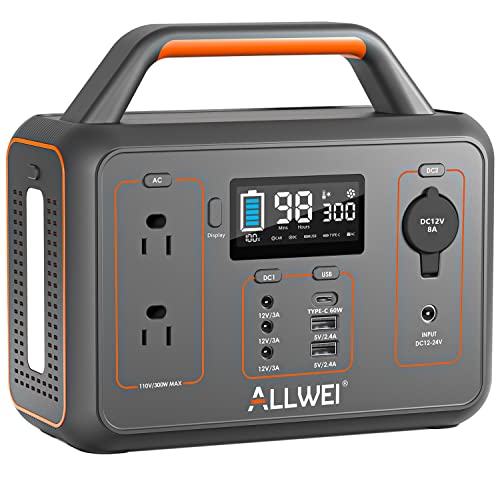
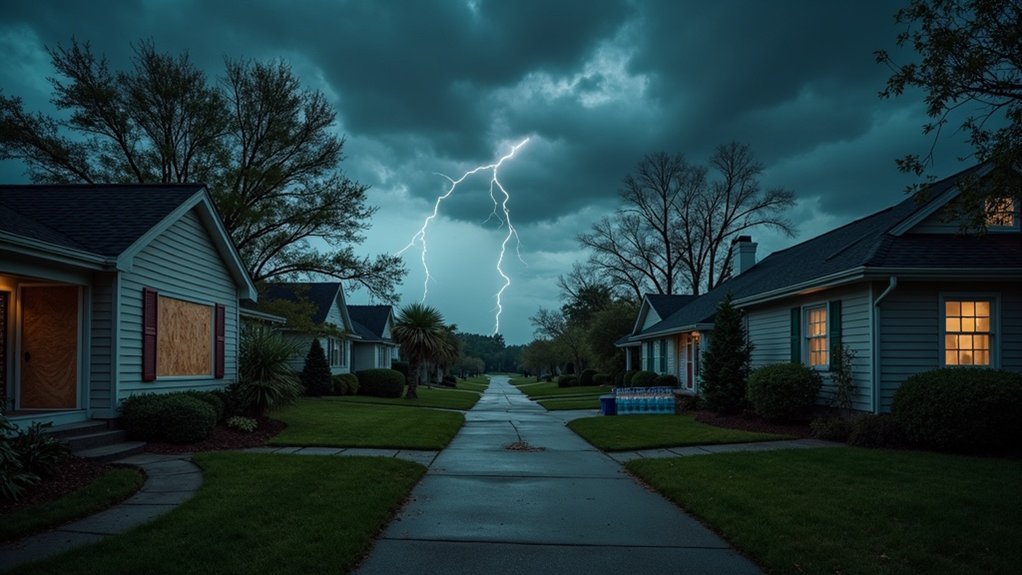
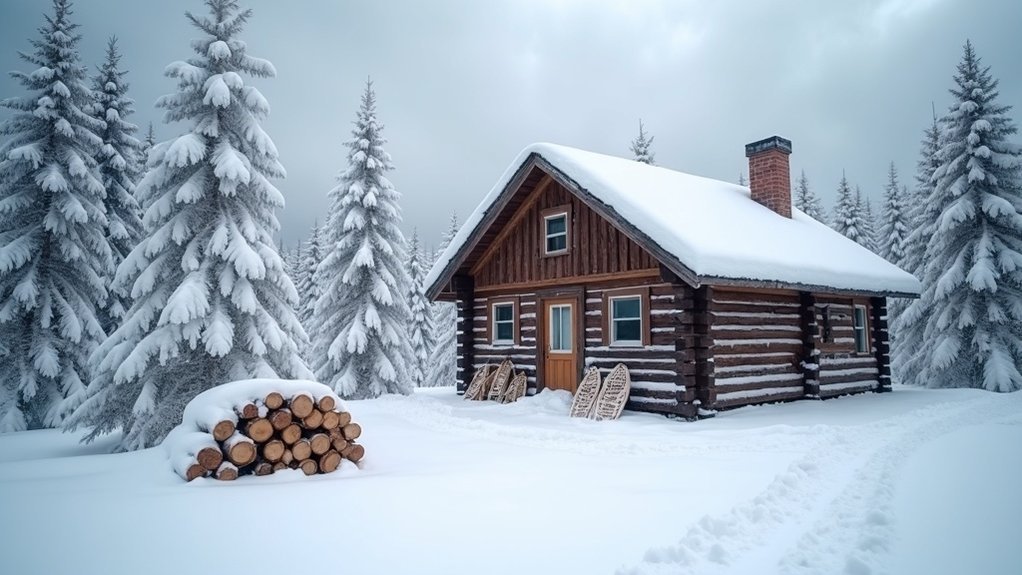
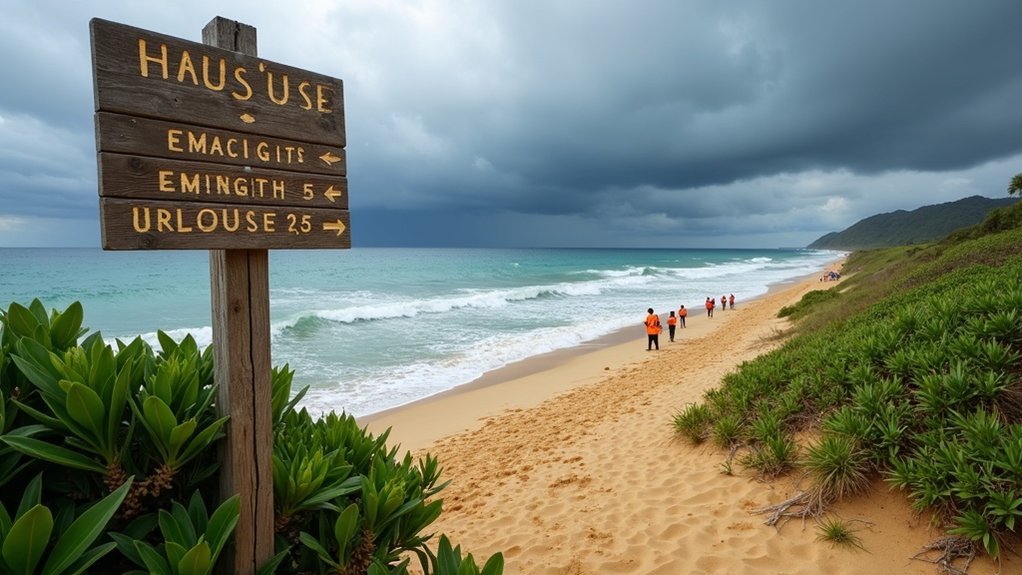
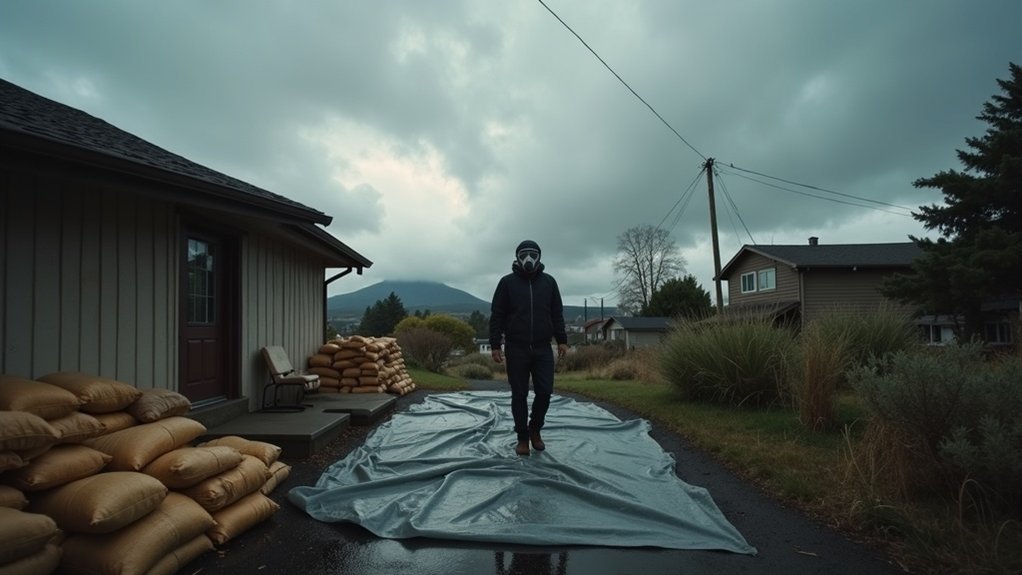
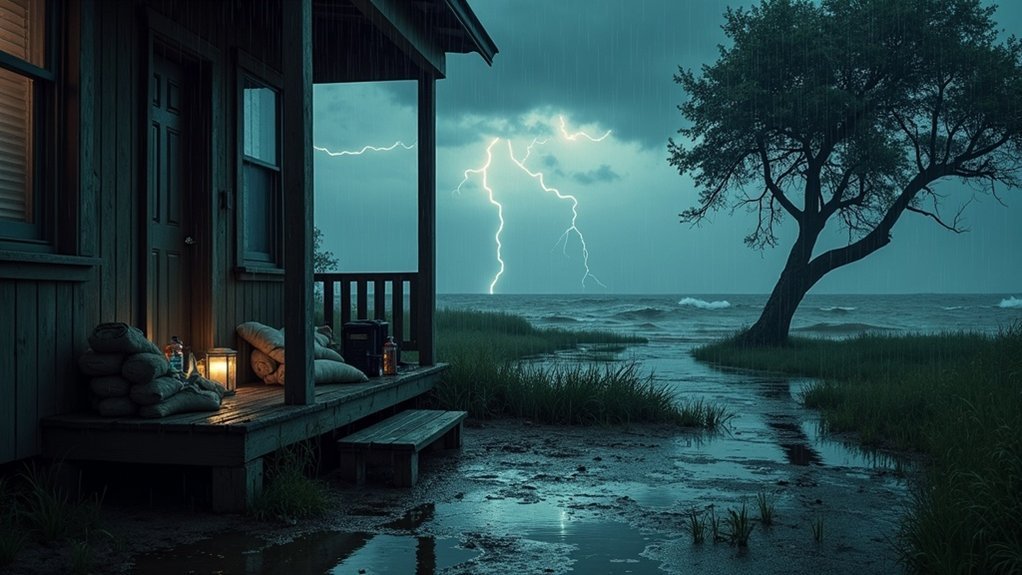
To start your journey into survivalism and prepping, begin by assessing the specific risks that could arise in your area, such as natural disasters or societal disruptions. Create a comprehensive emergency kit stocked with at least two weeks’ worth of non-perishable food, water, and vital supplies. Establish an emergency fund dedicated to prepping, and set a monthly budget for acquiring essential gear and resources. Acquire practical skills like first aid, self-defense, and survival techniques to enhance your self-sufficiency. Regularly practice your skills and refine your emergency kits through drills and engagement with local prepper communities. Stay informed about potential local threats, and you’ll be well-prepared for whatever challenges may come your way.
Key Takeaways
- Create a Threat Assessment to identify potential survival scenarios and prioritize risks specific to your region.
- Assemble a comprehensive emergency kit containing at least two weeks of non-perishable food and a minimum of 14 gallons of water per person to ensure sustenance during crises.
- Establish a survival fund and aim to save three to six months’ worth of living expenses to bolster financial security in uncertain times.
- Acquire essential skills such as first aid and self-defense to improve personal safety and preparedness in survival situations.
- Regularly conduct drills and evaluate your survival plan to ensure it remains effective, adaptable, and relevant to evolving threats.
Prioritize Your Risks
When you embark on your survival and prepping journey, it’s essential to prioritize your risks to ensure your efforts are effective and relevant.
Start by developing a Threat List that identifies potential emergencies specific to your area, such as natural disasters, civil unrest, or health crises. Conduct a personal risk assessment to understand how your unique situation—like chronic health issues or reliance on specific resources—impacts your preparedness strategy.
Use historical data to focus on high-probability threats that have previously affected your community. Engage your family members in these discussions; their insights can significantly enhance your collective preparedness.
Remember to regularly reassess your risks as circumstances evolve, ensuring your emergency plan remains robust and up-to-date.
Build Your Kits
Building your survival kits is a vital step in your prepping journey, and it begins with gathering the essentials. Start with a fundamental emergency kit that contains at least two weeks’ worth of non-perishable food and 14 gallons of water for each person.
Ensure you include critical items such as a comprehensive first aid kit and sanitation supplies. For swift evacuations, tailor your bug out bag with essential gear like multi-tools, sleeping bags, and fire-starting tools.
Focus on versatile prepping supplies, incorporating water filtration systems alongside your stored water. Remember to regularly rotate your stockpiles and implement budget-friendly strategies to expand your kits without breaking the bank.
Financial Preparedness
Financial preparedness is a crucial component for anyone serious about survivalism and prepping, as it offers a vital safety net during unforeseen circumstances. Begin by setting up an emergency fund of at least $1,000, and strive to save three to six months’ worth of living expenses to ensure financial resilience. Prioritize paying off debt to keep your budget manageable. Allocate a portion of your monthly budget specifically for essential prepping supplies, emphasizing cost-effective choices to maximize your resources.
| Action | Amount | Frequency |
|---|---|---|
| Emergency Fund | $1,000 | One-time |
| Living Expenses | 3-6 months | Ongoing |
| Debt Clearance | Varies | Monthly |
| Prepping Supplies | As budget allows | Monthly |
| Budget Review | N/A | Monthly |
Learn Practical Skills
While financial preparedness lays the groundwork for resilience, possessing practical survival skills can significantly enhance your readiness for any situation.
Begin by mastering essential first aid; studies indicate that you can decrease fatalities during emergencies by 25-30%. Investing in a comprehensive first aid manual can serve as a valuable reference during crises.
Additionally, learning self-defense techniques not only empowers you but also enhances your personal safety and deters potential attackers. Take advantage of free online resources, such as the American Red Cross app, to practice essential skills at home.
Regularly reinforce your abilities, including CPR, and ensure they’re part of your prepper kit. By acquiring these critical skills, you’ll cultivate confidence and be better equipped to face any challenges that arise in your survival journey.
Continue To Improve
As you progress on your survivalism and prepping journey, it’s crucial to enhance your strategies and skills consistently to stay prepared for potential challenges.
Here are some practical steps to consider:
- Regularly evaluate your emergency survival kit and refresh supplies to ensure you have at least two weeks’ worth of essentials.
- Organize practice drills with your family to strengthen your understanding of basic emergency protocols.
- Stay updated on local threats and natural disaster risks to effectively prioritize your preparedness efforts.
- Connect with local prepping communities or online forums to exchange knowledge and resources, fostering a network of support and information.