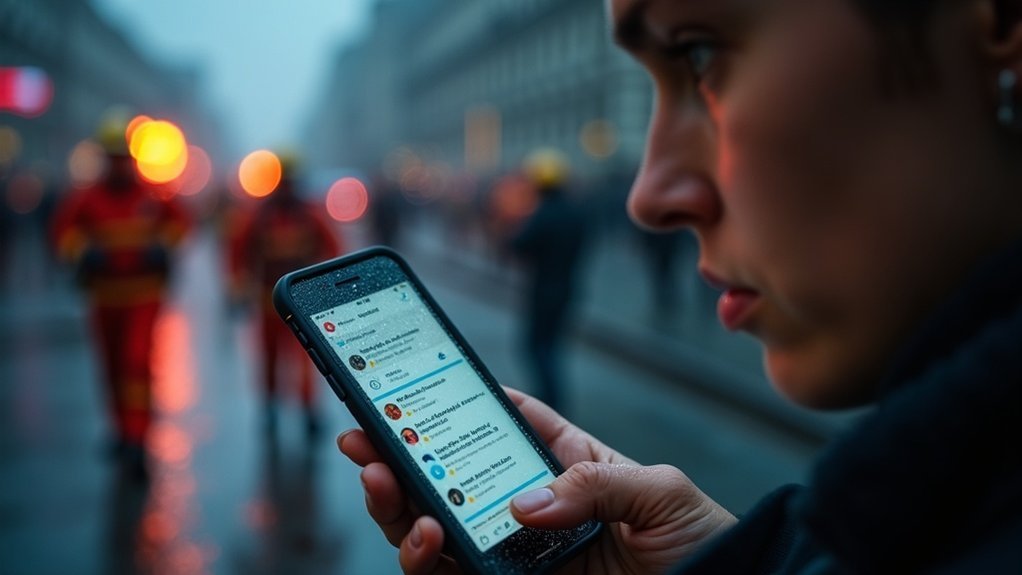
To effectively spot misinformation during disasters, it’s crucial to assess the credibility of your sources. Prioritize verified government accounts and reputable survival and prepping organizations. Be cautious of misspelled URLs and the urgency of claims circulating on social media. Cross-check information across multiple reliable outlets, particularly those focused on emergency preparedness, and verify publication dates. Utilize fact-checking tools like NewsGuard and Disinformation Chronicle to evaluate accuracy. Strengthening your ability to critically analyze information will greatly enhance your survival skills and preparedness strategies when navigating through misinformation.
Key Takeaways
- Verify information by checking multiple reliable sources, including official government accounts and established news organizations relevant to survival and emergency preparedness.
- Be cautious of URLs that contain misspellings or mimic reputable survival websites to avoid misleading information that could impact your preparedness.
- Cross-reference news stories related to disasters by looking for consistent coverage across various reputable outlets focusing on survivalism and prepping.
- Utilize fact-checking tools like NewsGuard and Fakespot to assess the credibility of sources and claims specifically in the context of survival and emergency situations.
- Pay attention to publication dates to ensure the information is current and relevant for your survival strategies during emergencies.
Understanding Misinformation and Its Impact
When disasters strike, misinformation can spread swiftly, amplifying panic and confusion among the public. False information, often unintentional, circulates rapidly, particularly on social media, where its impact can be devastating.
Misinformation spreads rapidly during disasters, heightening public panic and confusion, especially through social media channels.
For example, during Hurricane Irma in 2017, over 36,000 shares of false information exacerbated public anxiety before it was debunked. The COVID-19 pandemic further demonstrated how misleading claims can erode trust in crucial health communications.
For survivalists and preppers, understanding the nature of misinformation is critical. It empowers you to critically evaluate information and make informed decisions during crises, ultimately enhancing your preparedness and community resilience.
Effective communication and public education are essential tools in combating misinformation, ensuring that you and your community can navigate challenges with confidence and clarity.
Recognizing Reliable Sources of Information
How can you ensure the information you receive during a disaster is reliable? Start by trusting recognized sources, such as official government accounts, which usually have a verified icon.
Be cautious of URLs with misspellings or those resembling reputable news sites, as these can lead to misinformation. Cross-reference information by checking if multiple reputable news outlets report the same event; this helps establish credibility.
Always verify publication dates to confirm the news is current, as outdated information can mislead you and jeopardize your preparedness.
Additionally, utilize fact-checking tools and resources to identify unreliable sources and enhance your understanding of the situation at hand.
In the world of survivalism and prepping, staying informed and vigilant is crucial for effective decision-making.
The Role of Social Media in Spreading Misinformation
Recognizing reliable sources is crucial, particularly as social media serves as a key platform for information during emergencies and disasters. Platforms like Facebook and X can rapidly disseminate unverified claims, potentially leading to unnecessary panic among the public. For example, misinformation during Hurricane Irma was shared over 36,000 times before being corrected. Furthermore, automated bots can amplify these false narratives, making it harder for individuals to distinguish between accurate information and misleading content. Even established news organizations can sometimes misinterpret facts, further contributing to the confusion.
| Social Media Risks | Examples | Consequences |
|---|---|---|
| Unverified Claims | Hurricane Irma Forecasts | Widespread Panic |
| Health Misinformation | COVID-19 Narratives | Confused Public Response |
| AI-Driven Bots | Amplified False News | Difficulty in Verification |
| Reputable Outlets | Misreporting Information | Spread of Misinformation |
In a world where preparedness is key, being able to identify trustworthy sources is essential for survivalists and preppers alike.
Techniques for Cross-Verification of Information
As misinformation spreads rapidly during disasters, employing effective techniques for cross-verification becomes essential for survivalists and preppers.
To ensure you rely on accurate information, follow these steps:
- Check multiple reliable sources and official government agencies to confirm event validity; misinformation often lacks coverage from established outlets that are crucial during emergencies.
- Conduct a Google search for headlines before clicking social media links, helping you identify outdated or misleading information that could impact your preparedness.
- Pay attention to publication dates and website URLs; inconsistencies can indicate untrustworthy sources that may compromise your safety and survival plans.
Tools and Resources for Fact-Checking
To effectively navigate misinformation during disasters, it’s crucial to have reliable tools and resources for fact-checking.
Browser extensions can streamline your verification process, while engaging games like “Bad News” can help you understand misinformation tactics.
Additionally, trusted resources such as United Nations Verified offer practical strategies to help you identify false information in real-time, ensuring that you stay informed and prepared.
Browser Extensions for Verification
While misinformation can spread rapidly during disasters, utilizing browser extensions for verification is crucial for survivalists and preppers.
These tools can help you discern credible information when it matters most. Here are three effective options:
- NewsGuard: Quickly assesses the credibility of news sources, enabling you to avoid false claims that could jeopardize your preparedness efforts.
- Fakespot: Analyzes online reviews and product listings, detecting fraudulent content that may mislead you in your search for essential survival gear.
- Disinformation Chronicle: Provides real-time alerts on trending misinformation stories, keeping you informed about false narratives that could impact your survival strategies.
Engaging Interactive Learning Games
Many individuals are unaware of the fun and engaging ways they can enhance their survival skills through interactive learning games.
For instance, the decision-making game “Survival Scenario” allows you to grasp how to navigate challenging situations and recognize the techniques needed to make critical choices.
Additionally, resources like the “Crash Course on Emergency Preparedness” series provide essential insights, sharpening your ability to analyze various survival strategies.
Platforms like Prepper’s Toolbox help identify reliable resources for prepping, while organizations like Ready.gov offer practical skills for emergency situations.
Trusted Fact-Checking Resources
In the digital age, misinformation can spread rapidly, particularly during crises when accurate information is essential for survival and preparedness.
To combat this, it’s crucial to utilize trusted resources to verify facts effectively. Here are three valuable tools for survivalists and preppers:
- Fact-Checker Browser Extensions: Download extensions for Firefox or Chrome to help identify false information while researching essential survival strategies online.
- Bot Sentinel: Use this tool to detect and classify fake Twitter accounts, ensuring you’re aware of misleading sources that could impact your preparedness decisions.
- Crash Course Media Literacy: Watch this series to learn how to critically evaluate media and discern reliable information, enhancing your ability to make informed choices in emergency situations.
The Importance of Emotional Intelligence in Discussions
Emotional triggers play a significant role in discussions about misinformation during disasters, particularly for those involved in survivalism and prepping.
These triggers can greatly influence how individuals respond to critical information. By recognizing and understanding these emotional responses, you can foster trusting relationships within the survivalist community, facilitating open dialogue about preparedness strategies.
This approach not only encourages the expression of concerns related to misinformation but also establishes a solid foundation for effectively addressing and countering false narratives that could hinder survival efforts.
Understanding Emotional Triggers
How can understanding emotional triggers enhance discussions about misinformation during disasters for survivalists and preppers? Recognizing these emotional triggers, such as fear and anxiety, allows you to address the root causes of misinformation acceptance in the context of preparedness.
Here are three key strategies:
- Acknowledge Fear: Understand that feelings of fear can lead individuals towards misinformation, often prompting a defensive stance when discussing survival tactics and emergency plans.
- Practice Empathetic Listening: By actively listening to the concerns of fellow preppers, you validate their fears, making them more receptive to accurate information and effective strategies.
- Maintain Calmness: Staying composed during discussions can help reduce defensiveness, fostering more productive conversations about survival methods and alternative viewpoints on disaster preparedness.
Building Trusting Relationships
Building trusting relationships is essential for effectively addressing misinformation during disasters, particularly in the context of survivalism and prepping. Establishing solid connections allows individuals to engage in meaningful dialogue about preparedness strategies and the realities of emergency situations.
Emotional intelligence plays a key role here, as it helps you recognize and empathize with others’ emotional responses, which can often lead them to believe in misleading information. By understanding confirmation bias, you can tailor your messages to resonate with various perspectives on survival tactics.
Acknowledging herd mentality is crucial, as it reveals how social influences can shape perceptions during crises, often leading to panic or misinformation about resources. Maintaining a calm demeanor encourages constructive conversations, making others more open to practical advice and factual information.
Finally, empathetic listening fosters trust and rapport, enabling deeper discussions that can help individuals reevaluate their beliefs about preparedness and ultimately combat misinformation surrounding survivalism.
Strategies for Communicating With Misinformation Believers
While engaging with individuals who hold beliefs in misinformation, especially in the context of survivalism and prepping, it’s crucial to approach the conversation with empathy and patience, as emotional influences can significantly shape their acceptance of false narratives.
Here are strategies to communicate effectively:
- Listen Actively: Utilize empathetic listening techniques to build rapport and encourage open dialogue about the concerns and fears that drive their survivalist mindset.
- Address Social Dynamics: Recognize group mentality within prepping communities and discuss how it impacts beliefs, fostering a sense of belonging while promoting critical evaluation of information.
- Provide Factual Counterpoints: Use reliable sources to offer clear, factual explanations that challenge misinformation directly, particularly regarding survival techniques and preparedness strategies.
These strategies can help facilitate more constructive conversations about misinformation in the context of survivalism and promote critical thinking among those involved.
Continuous Education and Awareness on Misinformation
Engaging with misinformation believers in the context of survivalism and prepping requires a foundation of knowledge that extends beyond personal conversations; it involves fostering a broader understanding of misinformation itself.
Continuous education is essential, empowering you to critically assess the credibility of information, especially during crises where false claims can incite panic and lead to poor preparedness decisions.
Resources like the “Crash Course Media Literacy” series enhance your ability to discern reliable sources of survival information.
Utilizing fact-checking tools and public education initiatives helps you verify claims through reputable sources, ensuring that your prepping strategies are based on accurate information.