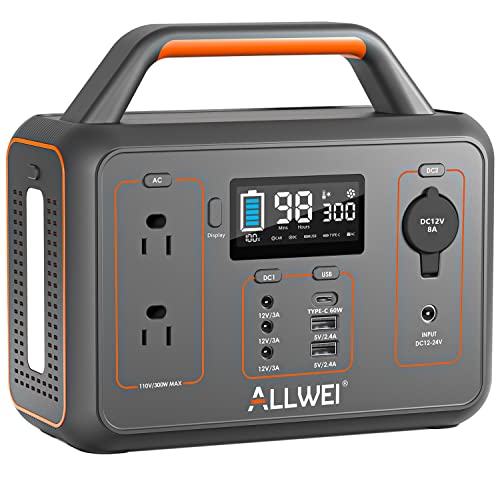
To set up shared gear libraries focused on survivalism and prepping, start by assessing the specific needs of your community through targeted surveys. Secure a safe, accessible location for gear storage, ensuring it can withstand various environmental conditions. Develop an organized inventory system that tracks gear usage and availability. Create clear membership guidelines to ensure equitable access to all members, fostering a sense of community preparedness. Implement specialized software for management to streamline operations and maintain high standards of gear quality. Engage volunteers and local preparedness organizations for support and outreach, encouraging collaboration and resource sharing. Promote your library through workshops and community events to raise awareness and participation. Continually adapt your offerings based on feedback to better serve the needs of your community in their preparedness journey. There’s much more to explore in making your survival gear library a vital resource!
Key Takeaways
- Assess community needs through surveys to understand interest in shared gear libraries, focusing on essential survival equipment that aligns with prepping principles.
- Secure a safe and strategic location for the gear library, and develop a robust inventory system to effectively manage gear and ensure it is readily accessible for emergency preparedness.
- Create clear membership guidelines that outline eligibility criteria and an application process, fostering community involvement and commitment to the survivalist ethos.
- Implement comprehensive management systems for tracking gear loans and maintaining equipment quality, including regular audits and volunteer training focused on survival skills and preparedness techniques.
- Engage local organizations and dedicated volunteers to promote the gear library, enhance outreach efforts, and provide educational resources that empower the community in disaster readiness and self-sufficiency.
Assessing Community Needs and Interest
How can you effectively determine what your community truly needs when it comes to survival skills and preparedness?
Start by conducting surveys or interviews to assess barriers and gauge interest in a community resource-sharing program. Focus on the specific needs of low-income families and youth groups regarding emergency supplies and survival training.
Conduct surveys to identify barriers and interest in survival training for low-income families and youth groups.
Collaborate with local organizations specializing in survivalism to identify the gear and knowledge that’s most needed and likely to be utilized. Analyze trends in preparedness activities to pinpoint beneficial equipment, like first aid kits, water purification systems, or emergency food supplies.
Host workshops to educate residents about survival techniques and resource sharing, and utilize social media to invite discussions, ensuring you include diverse voices from the community in your assessments.
Securing a Location and Inventory
To successfully establish a shared gear library focused on survivalism and prepping, you need to secure a location that’s both accessible and safe for community members.
Consider options like community centers, schools, or local businesses that support preparedness initiatives to guarantee convenience for users.
Next, evaluate durable storage solutions such as heavy-duty shelving units or waterproof bins to accommodate various gear sizes while ensuring safety and protection from the elements.
Develop an inventory system using software like Local Tools or Tool Librarian to meticulously track gear items, their condition, and availability.
Partnering with local survivalist organizations can enhance your community resource, while regular assessments of your inventory will maintain trust and effective management of the library’s operations, ensuring your community is always prepared for any situation.
Developing Membership Guidelines
Once you’ve secured a suitable location and established a solid inventory system, the next step is to develop effective membership guidelines tailored for survivalism and prepping enthusiasts.
Start by defining your membership eligibility criteria, focusing on factors like residency, preparedness experience, and commitment to community resilience.
Define membership criteria based on residency, preparedness experience, and dedication to community resilience.
Next, create a structured membership application process that collects essential details, including contact information, relevant skills, and previous experience with survival gear.
If applicable, set affordable membership fees to cover operational costs, ensuring accessibility for all who are serious about preparedness.
Implement a tracking system for borrowing gear, noting check-out and return dates to promote accountability and responsible use of resources.
Finally, regularly review and update your guidelines based on community feedback to adapt and improve access to shared gear, ensuring that all members can effectively prepare for any situation.
Implementing a Management System
While setting up a management system for your survival gear library may seem challenging, it’s essential for ensuring smooth operations and member satisfaction.
Start by utilizing software tools like Local Tools and Tool Librarian for inventory tracking and loan reminders. Create an organized inventory system with clear labeling and a method for tracking borrowed items, especially critical survival equipment.
Establish membership protocols requiring users to sign liability waivers and provide identification to protect against legal issues. Regularly audit inventory and maintain gear quality to identify repairs, ensuring all equipment is ready for emergencies.
Finally, train volunteers or staff in the management system for consistent, efficient operations that enhance user experience in preparedness.
Engaging Volunteers and Local Organizations
Engaging volunteers and local organizations is crucial for the success of your survival gear library, as their support can significantly enhance outreach and sustainability. By fostering partnerships with local businesses and hosting regular community preparedness meetings, you can recruit dedicated volunteers who are passionate about survivalism and prepping. Training these volunteers not only empowers them but also instills a sense of ownership in the mission. Here’s a quick overview of effective strategies to engage your community:
| Strategy | Purpose |
|---|---|
| Community Preparedness Meetings | Recruit and retain volunteers for survival initiatives |
| Partnerships with Local Businesses | Secure gear donations and logistical support |
| Volunteer Training | Educate and empower participants in survival skills |
| Collaboration with NGOs | Enhance outreach and resource availability for prepping efforts |
Promoting the Library for Community Involvement
To effectively promote your gear library focused on survivalism and prepping, utilize a variety of outreach techniques to engage your community.
Leverage social media platforms and local communication channels to share the library’s benefits, resources, and upcoming events related to preparedness and survival skills.
Community Engagement Strategies
Creating a vibrant shared gear library focused on survivalism and prepping requires active participation and collaboration from the community.
To boost engagement, consider these community engagement strategies:
- Leverage Social Media: Share success stories related to survival skills and upcoming prepping events to connect with local residents who are interested in preparedness.
- Host Workshops: Organize regular meet-ups to showcase survival gear, teach essential skills, and foster collaboration among prepping enthusiasts.
- Incentivize Referrals: Create a program where members who bring in new users can earn discounts on gear or workshops, enhancing the reach of the lending library and promoting a culture of preparedness.
Outreach and Promotion Techniques
How can you effectively promote your shared gear library to ignite community involvement in survivalism and prepping?
Start by leveraging social media platforms and community bulletin boards to showcase the benefits of membership and the importance of preparedness.
Host workshops that introduce the gear library concept, providing hands-on demonstrations of gear usage, safety protocols, and borrowing procedures.
Collaborate with local survivalist groups, schools, and outdoor organizations to reach a diverse audience and emphasize inclusivity in prepping.
Design eye-catching flyers detailing the available survival gear and distribute them at community events, farmers’ markets, and local fairs.
Finally, establish a referral program where current members can invite friends to join, offering incentives such as discounts on survival gear or exclusive access to specialized equipment, fostering a vibrant and informed community around your library.
Evaluating Impact and Adapting Offerings
While establishing a shared gear library can enhance community preparedness and resilience, it’s crucial to regularly evaluate its impact and adapt your offerings accordingly.
Establishing a shared gear library boosts community resilience; continuous evaluation ensures it meets evolving preparedness needs.
Here are three key steps to guide you:
- Collect Feedback: Regularly gather user input to gauge satisfaction and identify areas for improvement that align with the survival needs of your community.
- Analyze Usage Data: Track borrowing frequency to pinpoint essential survival gear that may require maintenance or additional purchases to ensure readiness.
- Annual Evaluations: Assess the overall impact on community preparedness and access, taking into account user demographics and seasonal survival interests.