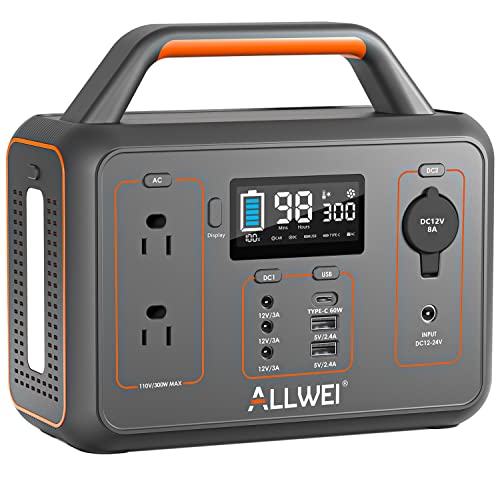
To set up a reliable battery bank for your survival and prepping needs, begin by selecting durable lead-acid or lithium-ion batteries that can withstand the rigors of extended use. Configure the batteries in series for higher voltage or in parallel for increased capacity, depending on your energy requirements. Ensure your battery bank is sized to provide at least three times your daily watt-hour needs to ensure you have enough power during emergencies. Always incorporate a Battery Management System (BMS) to monitor the health and charging cycles of your batteries, which is crucial for long-term reliability. Make certain that all connections are secure and that there is adequate ventilation to prevent overheating, ensuring safety during operation. With these foundational steps in place, you can optimize your battery bank setup for maximum efficiency and readiness in any situation.
Key Takeaways
- Assess your energy needs carefully and size the battery bank to provide three times your daily watt-hour requirements for enhanced reliability during emergencies.
- Select the right battery type for your survival setup, considering options like lead-acid for affordability or lithium-ion for longevity, and configure them in series or parallel as necessary for your system.
- Integrate a Battery Management System (BMS) to keep a vigilant eye on battery health, ensuring balanced charging and discharging to avoid failures when you need power the most.
- Utilize properly rated cables and connectors to minimize corrosion and ensure safe, reliable connections between batteries and other key components of your survival power system.
- Conduct regular maintenance checks, including voltage monitoring and terminal cleaning, to maximize the lifespan and performance of your battery bank, ensuring you’re always prepared for any situation.
Understanding Battery Banks
When considering the establishment of a battery bank for survival or prepping purposes, it’s crucial to recognize that it comprises multiple interconnected batteries specifically designed to store electricity for off-grid or emergency backup power systems.
You can configure your battery bank in series to elevate the voltage or in parallel to boost capacity, depending on your specific energy needs. Ensuring proper configuration is vital for achieving balanced charging and discharging, which helps prevent premature failure—an essential factor in survival situations where reliability is paramount.
Ideally, size your battery bank to provide a usable capacity that’s three times your daily watt-hour requirements, particularly when using AGM or LFP batteries, as this will help ensure you have sufficient power for unforeseen circumstances.
Implementing a Battery Management System (BMS) is imperative for monitoring battery health and extending the lifespan of your battery bank, ensuring that you remain prepared for any emergency.
Safety Considerations
Ensuring safety during the setup and operation of a battery bank is vital for survivalists and preppers, as overlooking this aspect can lead to serious hazards. Always use megafuses for each battery pack to safeguard against overcurrent situations and mitigate fire risks. Secure and insulate connections meticulously to prevent short circuits. Regularly monitor voltage levels, as any deviations may signal underlying issues. Keep the battery bank in a well-ventilated area and routinely check battery temperatures during operation. Familiarize yourself with manufacturer guidelines and legal compliance to ensure safety and reliability in your preparedness plans.
| Safety Measure | Purpose | Frequency |
|---|---|---|
| Use megafuses | Prevent overcurrent/fire hazard | Always |
| Secure connections | Prevent short circuits | Check regularly |
| Monitor voltage levels | Identify potential issues | Daily |
Components of a DIY Battery Bank
A well-constructed DIY battery bank is essential for survivalists and preppers, providing reliable energy storage during emergencies and off-grid living.
Start by selecting durable lead-acid or lithium-ion batteries, as they ensure optimal efficiency and longevity for your energy needs. Incorporate a battery management system (BMS) to monitor battery health, preventing overcharging and ensuring balanced performance when connecting multiple batteries.
An inverter is vital for converting DC energy into AC power, allowing you to run essential devices during a crisis. Charge controllers play a critical role in regulating electricity flow from renewable sources, maximizing battery capacity and extending their lifespan.
Lastly, utilize properly rated cables and connectors to ensure safe and efficient connections, capable of handling the demands of your system while minimizing risks of corrosion and failure.
This setup will provide you with a dependable power source in any survival situation.
Designing Your DIY Battery Bank
Designing your DIY battery bank is a crucial aspect of survivalism and prepping, as it ensures you have a reliable power source during emergencies.
Start by calculating your energy needs to size the battery bank, aiming for three times your daily watt-hour requirements to accommodate unforeseen circumstances.
Choose a voltage configuration, such as 12V or 48V, based on your inverter and charge controller, which should be robust enough to handle extended use.
Connect multiple 12V batteries in series to increase voltage or in parallel to boost capacity, making sure to confirm balanced charging to prevent failures.
Limit parallel strings to three for lead-acid batteries to maintain balance and avoid overloading.
Regularly monitor battery health, as neglect can lead to diminished performance in critical situations.
Consider implementing a battery management system (BMS) to ensure all batteries are charged and discharged evenly, optimizing voltage and capacity for when you need it most.
Installing Your DIY Battery Bank
Before you begin installing your DIY battery bank, it’s crucial to select a location that enhances both safety and longevity, especially in a survivalist context. Ensure the area has adequate ventilation and is shielded from direct sunlight and moisture, as these elements can compromise battery performance. When connecting batteries, utilize a busbar system with equal-length cables to maintain voltage consistency and prevent potential power loss. Incorporating a battery management system (BMS) is vital for monitoring battery health, allowing you to keep tabs on your energy supply in emergency situations. Regular inspections of battery connections for corrosion are essential, and keeping terminals clean will ensure optimal functionality. Here’s a quick guide tailored for preppers:
| Action | Description |
|---|---|
| Calculate Energy Needs | Assess usable capacity for your preparedness plans |
| Select Location | Ensure safety and adequate ventilation |
| Connect Batteries in Series | Use equal-length cables to maintain efficiency |
| Integrate BMS | Monitor voltage and overall battery health |
| Maintain Regularly | Check connections, temperature, and overall condition |
Taking these steps will help you build a reliable battery bank that supports your preparedness efforts effectively.
Connecting Batteries for Optimal Performance
To ensure optimal performance when connecting batteries for your survival and prepping needs, it’s vital to maintain consistency in terminal connections. When setting up your battery bank in series or parallel, ensure that all positive and negative terminals are connected uniformly to sustain reliable battery voltage, which is crucial during emergencies.
Use equal-length cables to reduce resistance and promote balanced current distribution, ultimately safeguarding against premature battery failure—something you can’t afford in critical situations.
Consider integrating a busbar for simplified connections and improved voltage consistency, which can be especially beneficial when you’re on the move or in a crisis.
Regularly check the state of charge and individual battery voltages, aiming for a maximum difference of 0.1V to ensure all batteries are functioning optimally.
Lastly, implement a battery management system (BMS) and safety measures like megafuses to mitigate overcurrent risks, keeping your power supply reliable when you need it most.
Maintaining Your Battery Bank
Maintaining your battery bank is crucial for ensuring long-term reliability and efficiency, particularly in survival situations where power availability can be life-saving.
To keep your system operating at its best, adhere to these essential practices:
- Conduct regular checks on individual battery voltages to prevent imbalances that could compromise performance in emergencies.
- Ensure proper water levels in flooded lead-acid batteries to avoid sulfation, which can diminish battery capacity.
- Clean battery terminals and connections consistently to reduce corrosion, ensuring maximum conductivity and reliability.
- Implement equalization charging for flooded batteries to ensure uniform charging and extend their lifespan.
Consider utilizing a Battery Management System (BMS) to monitor battery health, temperature, and voltage levels.
This system can provide alerts for maintenance needs and potential issues, allowing you to address them proactively.
Troubleshooting Common Issues With Battery Banks
When issues arise with your battery bank, identifying and resolving them quickly is crucial for ensuring your preparedness and survival capability.
Start by checking for uneven charging; inspect the resistance at connections and ensure that all cables are equal in length and gauge to avoid potential failure during critical situations.
Check for uneven charging by inspecting connection resistance and ensuring uniform cable length and gauge to prevent critical failures.
If you notice differing voltage levels between batteries, consider equalizing or replacing mismatched units to maintain reliability.
Keep a close eye on battery temperatures; overheating could signal a failing cell or connectivity issues that may compromise your energy supply.
Regularly use a multimeter to check voltage; drops exceeding 2% from the battery bank to the inverter could indicate potential problems that need addressing.
Implementing a battery management system (BMS) for real-time monitoring can help maintain overall health and balance in the series string, ensuring you’re always prepared for whatever challenges may come your way.