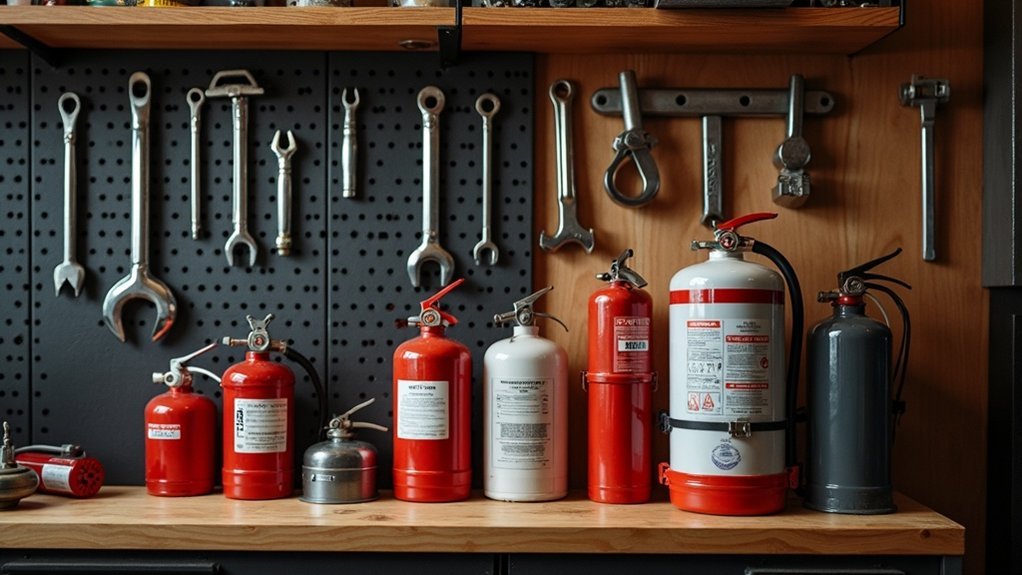
To safely store tools and fuel together in a survival or prepping context, ensure that gasoline and diesel are kept in approved containers and located at least 50 feet away from any ignition sources. Utilize color-coded containers to prevent mix-ups, and fill them only to 95% capacity to allow for expansion, especially in fluctuating temperatures. Ensure your storage area is well-ventilated and conduct regular inspections for leaks to maintain safety. Implement spill containment measures and keep the storage area clean and organized to minimize hazards. Adhering to strict guidelines is crucial for safety in a survival situation, and there are additional advanced practices you can research to enhance your preparedness.
Key Takeaways
- Store fuel containers at least 50 feet away from tools and ignition sources to significantly reduce fire risks, especially in survival situations where every resource counts.
- Use color-coded containers to clearly identify fuel types: red for gasoline and yellow for diesel, ensuring quick access during emergencies.
- Ensure proper ventilation in the storage area to minimize harmful vapors and fire hazards, which is crucial when preparing for prolonged situations without external support.
- Regularly inspect both fuel storage and tools for leaks or damage; maintaining these resources is vital for effective survival and preparedness.
- Clean tools after use and keep the storage area organized to prevent contamination and accidents, enhancing your overall readiness for any scenario.
Understanding Fuel Types and Risks
When storing fuel for your survival tools, it’s crucial to understand the different types and their associated risks for your safety and preparedness.
Gasoline, stored in a red fuel tank, is highly volatile and can ignite easily, which significantly increases fire risks in a survival situation. On the other hand, diesel, kept in a yellow fuel tank, is less flammable but poses risks of spills and environmental contamination, which can be detrimental in a survival scenario.
Gasoline’s volatility heightens fire risks, while diesel’s flammability is lower but poses contamination concerns in survival situations.
Always use approved containers that meet regulatory standards to prevent accidents and ensure long-term viability.
Keep in mind that gasoline has a shelf life of about six months, while diesel can last up to a year under proper conditions.
Regularly check fuel quality to guarantee safe handling and optimal storage practices, as being prepared is essential for your survival.
Importance of Proper Fuel Handling
Proper fuel handling is crucial for survivalists and preppers, as it ensures not only your safety but also the safety of your community and environment. Inadequate fuel storage can lead to fire hazards and environmental contamination, which could jeopardize your preparedness efforts.
By following regulatory standards, you can ensure that fuel is stored safely, significantly reducing the risk of leaks or spills that could harm local ecosystems and your survival plans.
Utilizing approved containers for storage not only complies with safety regulations but also enhances your operational efficiency, minimizing the chances of fire and explosion—critical factors during emergencies.
Regular inspections and maintenance of your fuel storage areas are vital; they help identify potential hazards before they become serious problems.
Implementing proper fuel handling procedures can also protect you from costly legal penalties, enabling you to focus on your prepping goals.
Stay vigilant and prepared.
Types of Fuel Storage Tanks and Containers
Choosing the right type of fuel storage tank or container is crucial for ensuring safety and efficiency in your survival and prepping efforts.
Underground fuel storage tanks provide robust protection against environmental elements and significantly reduce the risk of leaks, making them a wise choice for long-term preparedness.
Underground fuel storage tanks offer excellent protection and leak prevention, ideal for long-term preparedness strategies.
Aboveground tanks offer easier access but require meticulous placement in accordance with storage guidelines to prevent spills and maintain a safe distance from ignition sources.
Portable fuel containers enhance mobility, allowing you to transport fuel when necessary, but they must be handled with care to prevent leaks.
Flexible fuel bladders are practical for temporary storage needs but require secure handling to avoid accidents.
Always prioritize safety regulations and consider the environmental impact when selecting your fuel storage solution to ensure your prepping strategies are effective and responsible.
Guidelines for Fuel Transfer
When transferring fuel for survival and prepping purposes, ensure you use only approved containers specifically designed for this task to prevent leaks and spills.
Always conduct fuel transfers in a well-ventilated area to avoid harmful vapor buildup and minimize fire risks.
Safe Container Usage
To ensure safe fuel transfer in your survival and prepping endeavors, it’s crucial to utilize approved containers specifically designed for this purpose, such as DOT-approved safety cans.
These cans are equipped with self-closing lids and have undergone leak-testing, significantly reducing the risk of spills. Clearly labeling your fuel containers is essential to promote safe handling practices and prevent accidents during your preparations.
When transferring fuel, always keep the container in contact with the tank to minimize static electricity buildup, which could ignite any vapors present.
To prevent overfilling, leave a 5% air space in the container to allow for fuel expansion, thus helping to avert leaks.
Adhering to these safety guidelines is vital for the secure storage and handling of fuel, ensuring you remain prepared for any situation.
Ventilation During Transfer
Even with the right containers in place, proper ventilation during fuel transfer is crucial for ensuring safety in survival situations. Always perform fuel transfers outdoors or in well-ventilated spaces to prevent the buildup of harmful vapors. If you must transfer fuel indoors, utilize fans or open windows to promote airflow. Stay alert by keeping the area clear of ignition sources such as sparks and flames. Regularly inspect your ventilation systems to confirm they are functioning effectively. Remember, transferring fuel slowly is key to avoiding spills, even in well-ventilated environments.
| Action | Purpose |
|---|---|
| Transfer outdoors | Prevent vapor accumulation |
| Use fans/open windows | Enhance air circulation |
| Check for ignition sources | Minimize fire risk |
In prepping, understanding and implementing these safety measures can be vital in emergency scenarios.
Safety Measures During Handling
When engaging in survivalism and prepping, it’s essential to prioritize safety measures while handling tools and fuel to mitigate potential hazards.
Always utilize approved containers specifically designed for fuel storage to prevent leaks and spills. Ensure your storage area is well-ventilated to minimize the risk of fuel vapor accumulation, which could pose a fire hazard.
Maintain a safe distance of at least 50 feet between tools, fuel containers, and any ignition sources, such as heaters, flames, or sparks. Establish a clear labeling system for all containers to accurately identify their contents and prevent accidental misuse.
Conduct regular inspections of your storage areas to check for leaks or damage on both tools and fuel containers, allowing you to identify and address hazards before they lead to serious accidents.
Prioritizing these safety protocols will help ensure a secure environment for your survival preparations.
Regulatory Standards and Compliance for Fuel Storage
When it comes to fuel storage for survivalism and prepping, adhering to strict regulatory standards is crucial for ensuring safety and compliance.
Regular maintenance checks of your storage equipment are vital, along with implementing effective secondary containment measures to prevent leaks.
Compliance With Safety Regulations
To ensure the safe storage of fuel as part of your survival and prepping strategy, compliance with safety regulations is essential.
Adhering to OSHA guidelines is critical; make sure all members of your group are trained in safety protocols. The EPA mandates secondary containment measures to prevent spills, which is crucial for preserving your environment and protecting public health.
Follow NFPA standards when managing your fuel storage, as these guidelines limit the quantities you can store in each area. Regular inspections of your fuel storage systems will help you identify potential hazards and maintain compliance with safety regulations.
It’s also important to familiarize yourself with equipment manuals and fueling instructions to ensure safe handling when storing tools and fuel together.
Stay informed, stay safe, and be prepared.
Regular Maintenance Requirements
Regular maintenance of fuel storage areas is crucial for survivalists and preppers, not just for safety but also for ensuring readiness in emergency situations.
It’s essential to conduct regular inspections to check for leaks and ensure proper labeling of hazardous materials. Routine maintenance on fuel storage tanks—such as cleaning, tightening connections, and inspecting for corrosion—helps prevent spills that could compromise your preparedness.
Implementing emergency response plans and conducting training exercises will equip you to handle potential leaks effectively. Additionally, ensure that your storage areas are well-ventilated and located away from ignition sources.
Keeping accurate records of maintenance activities is vital for demonstrating compliance and enhancing safety in your fuel storage practices, ensuring you’re always prepared for any scenario.
Secondary Containment Measures
While you may have taken steps to store fuel safely for your preparedness needs, implementing secondary containment measures is crucial to prevent leaks and protect your environment.
Consider using spill pallets or berms to contain potential spills, ensuring they can hold at least 110% of the largest fuel container’s volume for compliance with safety regulations. Regularly inspect these systems for any cracks or leaks that could compromise their effectiveness.
Additionally, think about investing in double-walled tanks, which provide built-in secondary containment for added security.
Finally, maintain comprehensive documentation of your compliance with local and federal regulations regarding secondary containment measures to ensure you’re adhering to necessary safety standards and minimizing environmental risks in your survival preparations.
Best Practices for Fuel Storage
When storing fuel as part of your survival and prepping strategy, using approved containers is essential for safety and compliance.
Using approved containers for fuel storage is crucial for safety and compliance in your survival and prepping efforts.
Follow these best practices for effective fuel storage:
- Use red containers for gasoline, yellow for diesel, and blue for kerosene to prevent confusion and ensure quick identification in emergencies.
- Keep gasoline containers at least 50 feet away from ignition sources, ideally stored in a detached garage or shed to minimize risk.
- Fill containers no more than 95% full to allow for expansion, and ensure they’re sealed tightly to avoid leaks and evaporation.
- Regularly inspect your storage area for leaks or damage, and maintain cleanliness to significantly reduce fire hazards and ensure a safe prepping environment.
Maintenance and Upkeep
To ensure your survival tools and fuel storage remain safe and effective, it’s crucial to conduct regular inspections and maintenance. Check for leaks or damage to prevent contamination and guarantee safety in emergency situations.
Maintain proper ventilation in your storage areas to minimize fire hazards from flammable vapors, especially when stockpiling fuel. Clean your tools after each use to avoid corrosion, particularly those stored near fuel, as they could be vital in a crisis.
Always store fuel in approved containers and adhere to local regulations regarding maximum storage quantities to ensure compliance and safety. Schedule routine maintenance checks for both your tools and storage systems to catch potential issues early, preventing accidents and ensuring your preparedness.
Prioritize safety and longevity in your storage practices as part of your overall survival strategy.