To reduce water waste in your survival and prepping efforts, switch to shorter showers and invest in low-flow showerheads to conserve precious resources. Always turn off the tap while brushing your teeth, shaving, or rinsing vegetables to maximize efficiency. Regularly check for leaks in your plumbing; even a small drip can waste up to 3,000 gallons a year, which can severely impact your water supply in an emergency situation. Utilize leftover cooking water in your garden to provide added nutrients and fill your kettle only with the amount of water you truly need. These habits not only help conserve water but also enhance your overall sustainability, ensuring you are better prepared for any scenario. Explore additional strategies to further your water conservation efforts and bolster your self-sufficiency.
Key Takeaways
- Switch to short showers lasting 4 minutes or less to conserve water, which is crucial in survival situations where resources may be limited.
- Turn off the tap while brushing teeth, shaving, or washing vegetables to minimize water waste, ensuring you have enough for essential survival needs.
- Regularly check for and fix leaks in faucets and toilets to prevent significant water loss, as every drop counts in a prepping scenario.
- Repurpose leftover cooking water for gardening to conserve resources and enhance soil quality, vital for self-sufficiency and long-term food production.
- Fill the kettle only with the amount of water needed to save both water and energy, optimizing your resources for when you need them most in a survival situation.
Switch to Showers
Switching to showers is an essential step for survivalists looking to conserve resources and prepare for uncertain times. By choosing showers over baths, you can significantly reduce your household water consumption—baths typically use 35-50 gallons, while showers average around 25 gallons.
Keeping your showers to 4 minutes or less maximizes these savings, which is crucial in a survival situation where water may become scarce.
Utilizing low-flow showerheads that limit flow to 2-3 gallons per minute can help maintain water pressure while further reducing your usage. Additionally, many municipalities offer free shower timers to help you monitor your water consumption effectively.
Turn Off the Tap
While you may not realize it, leaving the tap running can waste up to 6 liters of water per minute—an alarming amount when considering the importance of water conservation in survival situations.
To prepare for emergencies and to ensure your resources last, make it a habit to turn off the tap while you brush your teeth or lather soap. Instead of rinsing vegetables under running water, fill a bowl for rinsing, which is more efficient and allows you to conserve water.
Make a habit of turning off the tap while brushing teeth or lathering soap to conserve precious water resources.
By keeping the tap off during tasks like shaving, you’ll significantly reduce water waste, which is crucial in a prepping mindset.
Share these practices with your family to not only promote water conservation but also to ensure you’re all prepared for any situation that may require rationing resources in the future.
Fixing Leaks
Ignoring leaks in your home can lead to substantial water waste, which not only impacts your utility bills but also undermines your efforts to conserve this precious resource during uncertain times.
Regularly check your fixtures, including faucets and toilets, for leaks, as maintaining a sustainable living environment is crucial for survivalists. A single dripping faucet can waste over 3,000 gallons of water a year, which could be vital for your preparedness.
Use food coloring in toilet tanks to identify silent leaks and ensure that every drop counts. By monitoring your water bills for unusual spikes, you can detect hidden issues and address them promptly, preventing unnecessary resource depletion.
Repairing leaks not only conserves water but also saves you money, allowing you to allocate your resources to essential supplies. Many water companies provide free resources to help you fix these problems efficiently, ensuring that you’re always ready for whatever challenges may come your way.
Use Leftover Cooking Water
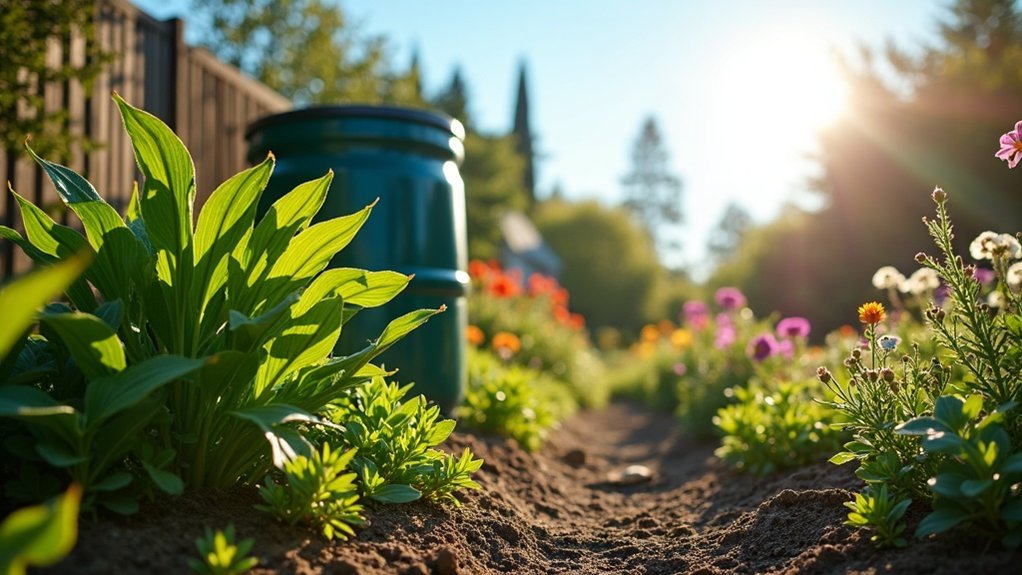
Repurposing leftover cooking water can be a valuable asset for survivalists and preppers. Not only does it help conserve precious water resources, but it also provides a nutrient-rich source for your garden, which is essential for sustainable living. By utilizing this water, you can promote healthier growth in your plants while significantly minimizing your overall water usage. This eco-friendly practice enhances soil quality, vital for self-sufficient gardening. Moreover, collecting cooking water keeps it from going down the drain, ensuring that you maximize every resource available to you.
| Benefit | Explanation |
|---|---|
| Nutrient-Rich Source | Delivers essential vitamins and minerals for robust plant growth |
| Reduce Water Consumption | Utilizes water that would otherwise be wasted, crucial in survival scenarios |
| Enhance Soil Quality | Contributes to improved plant health and resilience |
Start incorporating this practice into your survival gardening routine today!
Fill Up the Kettle Only as Needed
Utilizing leftover cooking water is just one way to practice resource conservation in your home, especially for those preparing for self-sufficiency.
Another effective method is to fill up the kettle only with the required amount. By doing this, you can:
- Save water by avoiding unnecessary boiling of excess water, which is crucial in a survival situation where every drop counts.
- Reduce boiling time, leading to energy savings, allowing you to conserve fuel for other essential tasks.
- Reflect your commitment to preparedness and sustainability efforts, ensuring you’re ready for any scenario.
When you measure just what you need, you not only cut down on water usage but also lower your energy consumption.
Embrace this simple habit to help reduce waste and make a positive impact on your environment while enhancing your survival skills.