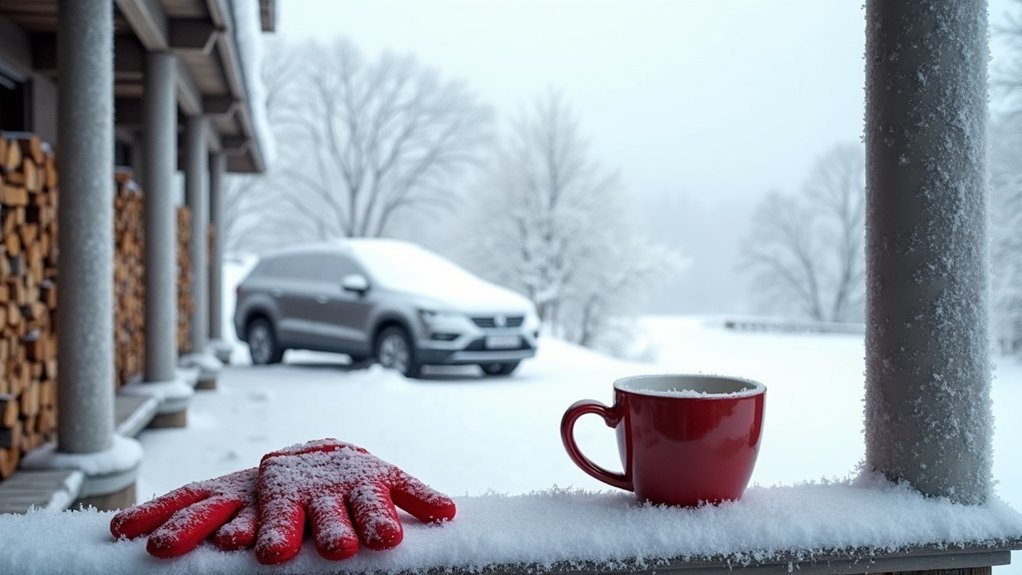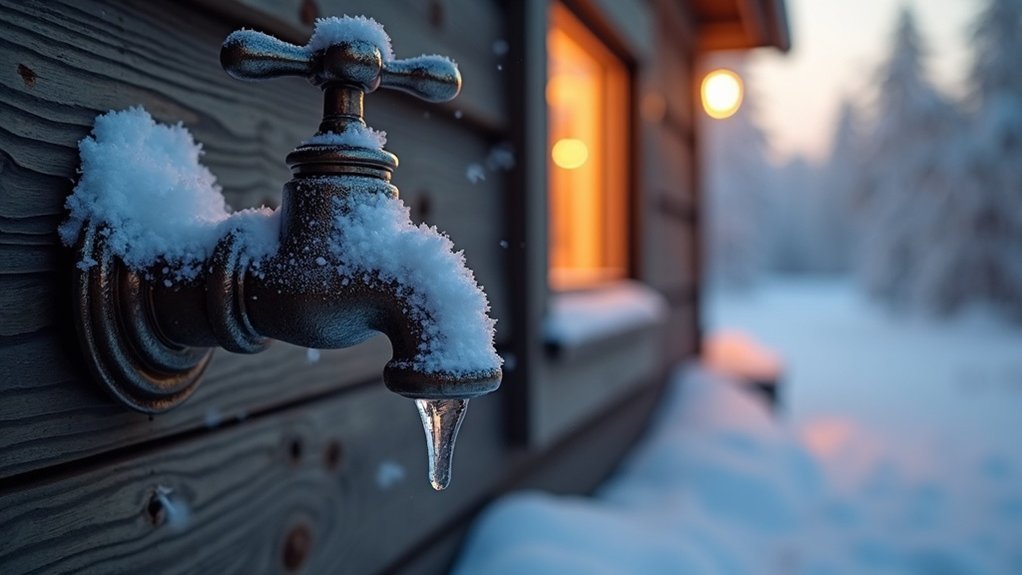
To prevent frozen pipes in winter and ensure your survivalist preparations are effective, it’s crucial to insulate vulnerable areas like basements and garages. Utilize pipe sleeves or heat tape on exposed pipes to safeguard against extreme cold. Maintain your thermostat at a minimum of 55°F, and seal any cracks around doors and windows to eliminate drafts. Regularly inspect uninsulated pipes and stay updated on weather forecast alerts for cold spells. In the event of an emergency with frozen pipes, there are practical thawing techniques you can employ to resolve the issue swiftly and maintain your preparedness.
Key Takeaways
- Insulate vulnerable pipes in unheated areas with foam, fiberglass, or rubber insulation to prevent freezing, ensuring your survival supplies remain intact.
- Seal cracks and openings around windows and doors to block cold drafts effectively, creating a secure environment during harsh winter conditions.
- Maintain a thermostat setting of at least 55°F to avoid drastic temperature fluctuations, keeping your living space manageable in case of extended power outages.
- Monitor local weather forecasts for cold spells and be alert to temperature drops, allowing you to take proactive measures in your prepping strategy.
- Use heat tape or pipe sleeves on exposed pipes to provide additional protection against freezing, safeguarding your water supply during critical survival situations.
Understanding the Risks of Frozen Pipes
Understanding the risks of frozen pipes is crucial for survivalists and preppers, especially when temperatures drop below 20° F.
Frozen pipes primarily occur in uninsulated areas, such as basements and attics, where water supply lines are particularly vulnerable. When water freezes, it expands, generating pressure that can lead to burst pipes, regardless of the material.
Exterior walls are common trouble spots, as they often have minimal insulation, which significantly increases risk. Additionally, areas with little insulation, like crawl spaces and garages, further elevate the chances of freezing.
Effective Preventive Measures
To effectively prevent frozen pipes, it’s crucial to insulate vulnerable pipes located in unheated areas and maintain stable temperatures throughout your dwelling.
Stay vigilant about weather conditions, particularly during severe cold spells, and take proactive measures to protect your plumbing system.
Insulate Vulnerable Pipes
When winter temperatures plummet, insulating vulnerable pipes is crucial for survivalism and prepping, as it helps prevent freezing and potential water supply disruptions.
Focus on areas like attics, basements, and crawl spaces where pipes are at risk. Here are key steps to take:
- Utilize foam, fiberglass, or rubber insulation for effective protection against extreme cold.
- Install pipe sleeves or heat tape on exposed pipes to enhance their resistance to freezing temperatures.
- Seal cracks and openings around windows and doors to block cold drafts and maintain a stable environment.
Regularly inspect for uninsulated pipes and add insulation promptly.
Maintain Consistent Temperatures
Maintaining a consistent temperature in your shelter is crucial for preventing frozen pipes during the harsh winter months.
Always keep your thermostat set to at least 55°F to avoid drastic temperature fluctuations that can lead to pipes freezing.
Consider investing in a programmable thermostat to maintain higher temperatures, even when you’re away for extended periods.
Additionally, remember to keep garage doors closed to retain heat in areas where water supply lines may be located.
Regularly check your thermostat’s functionality to ensure effective temperature control.
Monitor Weather Conditions
Monitoring weather conditions is crucial for survivalists and preppers, especially when it comes to protecting your plumbing from the dangers of freezing pipes.
It’s important to stay informed about local forecasts, particularly when temperatures drop below 20°F. Here are some effective strategies to implement:
- Utilize survival weather apps to receive alerts about impending cold snaps.
- Stay vigilant about temperature fluctuations that could catch you off guard, as these can impact your preparedness.
- Pay close attention to wind chill factors, as they can exacerbate freezing conditions and pose risks to your water supply.
Being proactive in monitoring the weather can help ensure your plumbing remains functional during harsh winter conditions.
Insulating Your Home and Pipes
To effectively prevent frozen pipes during winter, it’s crucial to insulate your home and pipes, especially in a survival situation.
Start by insulating exposed pipes in unheated areas like attics, basements, and crawl spaces. This helps maintain a higher temperature around the pipes, reducing the risk of freezing and ensuring you have access to water in emergencies.
Use affordable pipe insulation materials such as fiberglass, rubber, or foam to prevent heat loss. Additionally, seal any cracks and openings around windows and doors to eliminate cold drafts, which can compromise your shelter.
Consider adding insulation to walls and ceilings in these spaces to enhance overall energy efficiency while protecting your plumbing.
Regularly check and insulate any uninsulated pipes for long-term protection, ensuring you’re prepared for any winter challenges that may arise.
Adjusting Thermostat Settings
How can adjusting your thermostat settings contribute to your survival strategy during winter? By maintaining a consistent indoor temperature, you can effectively protect your plumbing system from freezing, which is crucial for ensuring access to water and maintaining your survival supplies.
Adjusting your thermostat is vital for preventing frozen pipes, ensuring access to water, and supporting your winter survival strategy.
- Set your thermostat to a minimum of 55°F (13°C) when you’re away from your shelter to prevent potential disasters.
- Utilize programmable thermostats to manage temperature efficiently during peak cold hours, conserving energy while ensuring safety.
- Consider investing in smart thermostats that send alerts if indoor temperatures drop too low, allowing you to respond quickly to potential threats.
Regularly check your thermostat’s functionality and battery levels to avoid unexpected drops in temperature.
These proactive adjustments are essential for keeping your living space warm enough to prevent frozen pipes, ensuring your survival preparations remain intact throughout the harsh winter months.
Utilizing Space Heaters Safely
When winter’s chill sets in, can you really afford to overlook the importance of using space heaters safely? These devices are crucial for maintaining warmth in your shelter, especially in areas with at-risk pipes, helping to prevent frozen pipes. Always place space heaters on a flat surface, at least three feet from flammable materials to minimize flame hazards. Avoid using extension cords; plug the heater directly into a wall outlet to ensure optimal performance. Verify your heater includes essential safety features like automatic shut-off switches. For bathroom use, ensure you only plug into GFCI outlets to avoid electrical hazards.
| Safety Tip | Description |
|---|---|
| Distance from Flammables | Keep at least three feet away |
| Direct Plugging | Always plug directly into the wall |
| Safety Features | Look for automatic shut-off switches |
Thawing Techniques for Frozen Pipes
When faced with frozen pipes, it’s crucial to employ safe heating methods such as electric heating pads or hair dryers, while keeping an eye on the water flow through your faucets.
This not only relieves pressure but also helps you identify any additional freeze points in your home, which is vital for self-sufficiency in emergency situations.
If you can’t safely access the frozen section of pipe or if the issue continues, don’t hesitate to contact a licensed plumber for professional assistance, ensuring that your preparedness plan remains intact.
Safe Heating Methods
To effectively thaw frozen pipes in a survival situation, it’s crucial to keep the faucet open, allowing melted water to flow and relieving pressure in the system.
Utilize safe heating methods to thaw the pipes:
- Apply electric heating pads or hair dryers directly to the frozen section, if available in your emergency supplies.
- Wrap hot towels around the affected pipes, using water heated over a fire or stove for consistent warmth.
- Keep the heat source moving to prevent overheating any one spot, which could lead to pipe damage.
Avoid using open flame devices, as they pose a risk of damaging the pipes and creating fire hazards in a survival scenario.
If you can’t safely access or thaw the frozen area, seek assistance from a licensed plumber when possible, or consider alternative water sourcing methods until the situation is resolved.
Monitor Water Flow
Monitoring water flow is crucial for survivalists and preppers, as identifying frozen pipes early can help prevent significant damage and ensure access to water in emergency situations.
Regularly check all faucets in your shelter for any signs of reduced water flow, as this can indicate a frozen section that needs immediate attention. If you suspect a pipe is frozen, keep the affected faucet open to allow melted water to circulate, relieving pressure and preventing potential bursts.
Use electric heating pads or hair dryers to apply heat, starting from the faucet and working toward the frozen area. Always avoid open flames, which can lead to damage or fire hazards in your survival environment.
Additionally, ensure proper insulation of pipes to prevent freezing and maintain consistent water flow, which is vital for your preparedness efforts.
Professional Assistance Needed
If you encounter frozen pipes despite your best survival preparations, seeking professional assistance is often the safest route. A licensed plumber can effectively handle the situation and minimize damage, ensuring that your water supply remains intact during emergencies.
Here are some common thawing techniques they may use:
- Heating pad wrapped around the affected pipe, providing consistent warmth to gradually thaw the ice.
- Hair dryer applied cautiously, allowing for controlled heat application to avoid pipe damage.
- Hot towels placed on frozen sections, effectively warming them up to restore flow.
Always monitor faucets for any signs of additional frozen pipes.
Attempting to thaw frozen pipes without professional assistance can lead to further plumbing issues and potential water damage, so assess the situation carefully before proceeding.
Long-Term Solutions for Pipe Protection
When you take proactive steps to protect your plumbing system, you can significantly reduce the risk of frozen pipes during winter months, an important consideration for those focused on survivalism and prepping.
Insulating exposed pipes with durable materials like fiberglass or foam is crucial, especially in unheated areas such as attics and crawl spaces that may be difficult to monitor.
Regularly inspect for uninsulated pipes and seal cracks around windows and doors to prevent cold drafts, enhancing your home’s energy efficiency and resilience.
Consider upgrading to frost-free sillcocks for outdoor water access, ensuring that the shut-off valve is located inside your structure for added protection.
Finally, switching to flexible PEX piping during repairs can improve your plumbing system’s ability to withstand freezing and bursting, providing long-term security for your water supply in any emergency scenario.