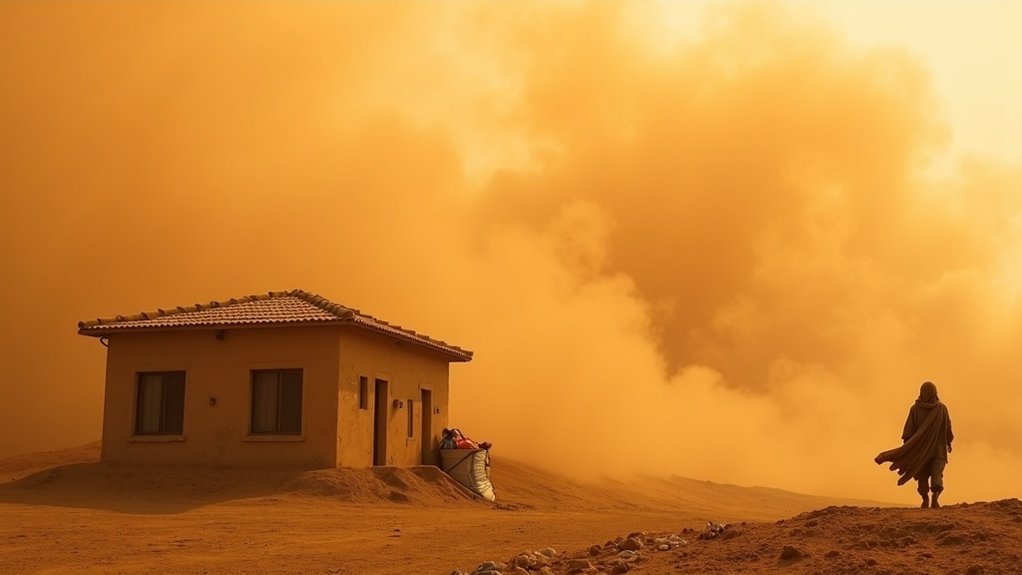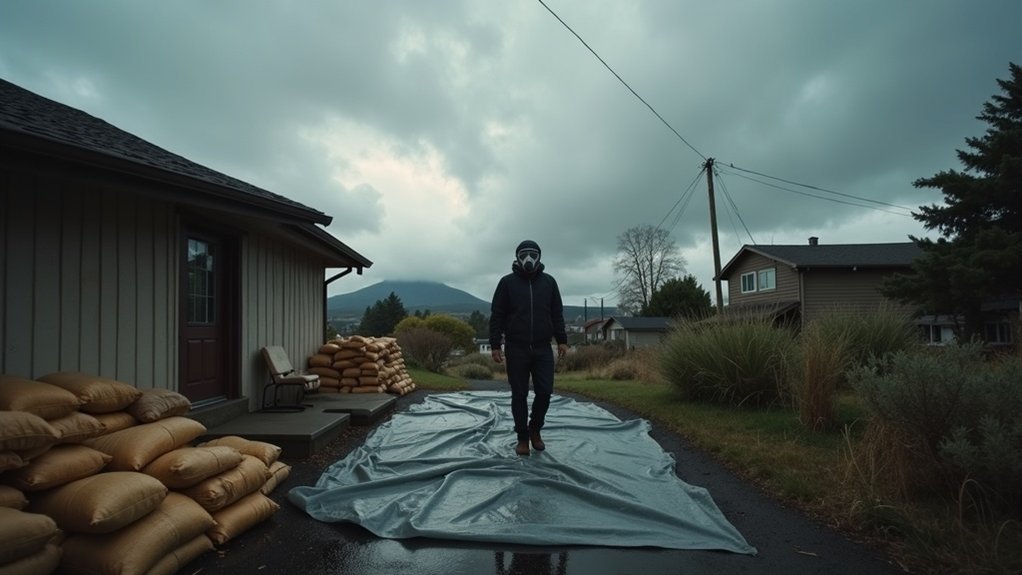
To prepare for volcanic ash fall as part of your survival and prepping strategy, it’s essential to stockpile critical supplies. Ensure you have a 72-hour supply of water and non-perishable food items that can sustain you and your family during an emergency. Protective gear is a must; equip yourself with durable dust masks, goggles, and sturdy gloves to shield against harmful ash particles.
Always keep your emergency kit easily accessible, and stay informed by subscribing to local alerts and monitoring updates from trusted sources. In the event of ash fall, it’s crucial to stay indoors, seal all windows and doors, and turn off HVAC systems to prevent ash from infiltrating your living space.
When it comes to cleaning up ash, take necessary precautions to protect yourself and your property. There are specific techniques to follow for both indoor and outdoor cleanup to ensure safety and efficiency. For more in-depth guidance on protective measures and cleanup strategies, continue reading to bolster your preparedness plan.
Key Takeaways
- Assemble a 72-hour emergency kit that includes essential supplies such as drinking water, non-perishable food, and dust masks tailored for each family member to ensure everyone’s survival needs are met.
- Fortify your home by sealing windows, doors, and vents with heavy-duty plastic sheeting to create a barrier against ash infiltration during an ash fall, safeguarding your living space.
- Stay vigilant and informed through local alerts; equip yourself with a reliable battery-powered radio to receive real-time updates concerning volcanic activity and potential threats.
- Stockpile cleaning supplies and protective gear to facilitate efficient ash cleanup after an event, ensuring your preparedness extends beyond the immediate fallout.
- Foster a sense of community by coordinating with neighbors for resource sharing and collaborative cleanup efforts, enhancing collective resilience in the face of natural disasters.
Essential Items to Stock Before an Ashfall
When preparing for a volcanic ash fall, it’s crucial to stock at least five essential items to ensure your safety and comfort during this emergency.
First, gather a minimum of a 72-hour supply of drinking water—approximately 1 gallon per person per day, as hydration is paramount.
Next, stockpile non-perishable food items for both your family and pets, considering long-lasting options that require minimal preparation.
Don’t overlook the importance of dust masks and eye protection to safeguard against the health risks posed by volcanic ash.
Assemble comprehensive emergency supplies in your vehicle in case of a necessary evacuation, including first aid kits and essential tools.
Lastly, include cleaning supplies such as brooms, shovels, and vacuums specifically designed for ash cleanup, as these will be vital once it’s safe to clear your surroundings.
Being well-prepared can significantly enhance your resilience during an ashfall event and contribute to your overall survival strategy.
Actions to Be Taken in Preparedness
To effectively prepare for a volcanic ash fall, begin by assembling a comprehensive emergency kit specifically designed to meet your family’s needs.
Ensure you have at least 72 hours’ worth of non-perishable food, drinking water, N95 dust masks, goggles, and essential cleaning supplies such as brooms and shovels.
Stay vigilant by subscribing to local alerts and maintaining a battery-powered radio for real-time updates.
Seal windows, doors, and air vents with plastic sheeting to reduce ash infiltration.
Prepare engaging indoor activities for children to keep them occupied, and ensure your livestock has access to clean food and water.
Disconnect drainpipes to prevent blockages and equip your vehicles with spare air and oil filters in anticipation of post-ash cleanup.
Being proactive in these measures is crucial for your survival and preparedness in the face of potential volcanic activity.
What to Do if Volcanic Ash Is Falling
As volcanic ash begins to fall, your best defense is to stay indoors and be prepared.
Close all windows, doors, and vents to prevent ash infiltration and maintain optimal indoor air quality. If you need to venture outside, ensure you’re equipped with an N95 mask and goggles to safeguard your respiratory system and eyes from harmful ash particles.
Turn off your HVAC systems to prevent the circulation of ash indoors, protecting your living space. Keep pets confined indoors and brush them off thoroughly before allowing them back inside to reduce their exposure to ash.
Stay alert and informed by tuning into emergency alerts and local radio updates for safety instructions and preparedness tips. Your survival depends on taking these proactive measures during ashfall.
Why Should We Clean Up the Ash?
Cleaning up volcanic ash promptly is crucial for survival and preparedness. Protecting your electronics and appliances from damage is essential, as ash can infiltrate and compromise their functionality.
Moreover, neglecting the ash can create significant health risks; when airborne, it can lead to respiratory issues that could hinder your ability to respond effectively in emergencies.
Additionally, removing ash prevents environmental hazards, such as clogged drainage systems, which could result in flooding and further complicate survival efforts.
Being proactive in cleanup ensures you maintain a safe and functional living environment during challenging times.
Protect Electronics and Equipment
Cleaning up volcanic ash promptly is crucial for safeguarding your electronics and equipment in a survival situation. The sharp crystalline structure of ash poses a threat by scratching sensitive devices, while it can also clog ventilation systems, leading to overheating—a significant risk when resources are limited.
Regular cleanup is vital to prevent long-term damage and corrosion of electrical contacts, which could result in expensive repairs that may not be feasible in an emergency.
Moreover, ash can be remobilized by wind, increasing respiratory risks and further contaminating your electronics if left unattended. To ensure your equipment remains functional, utilize vacuum or compressed air methods for cleaning.
Prioritizing maintenance is essential to extend the lifespan of your devices, ensuring they remain safe and operational after an ash fall. Take proactive measures to protect your investments, as they’re integral to your preparedness and survival!
Prevent Health Risks
Neglecting volcanic ash cleanup can pose serious health risks that every prepper should be aware of. The fine particles from ashfall events can remain suspended in your indoor air, leading to respiratory issues for you and your pets.
Prolonged exposure to these particles can escalate into a genuine health emergency, making prompt action crucial for survival. Wind can easily remobilize ash, spreading harmful particles even further and potentially contaminating your emergency supplies.
Always wear goggles to protect your eyes during cleanup, and recognize that immediate action is vital. Relying on rain and vegetation to clear ash can take too long, so it’s essential to implement proactive measures to mitigate long-term health hazards.
Prioritize cleanup as part of your survival strategy to safeguard your health and increase your resilience in the face of natural disasters.
Ensure Environmental Cleanliness
While volcanic ash may initially appear harmless once settled, its removal is crucial for ensuring a safe and prepared environment. Here’s why prioritizing ash cleanup is vital for survivalists and preppers:
- Safeguard your gear from scratches and damage caused by sharp ash particles.
- Minimize health risks by preventing airborne ash that can trigger respiratory issues, compromising your ability to stay alert and prepared.
- Keep your pets indoors and shielded from potential toxins in the ash that could affect their health and your supplies.
- Prevent environmental degradation by avoiding clogged watercourses and sewage systems, which can lead to further challenges in a survival scenario.
Proactive cleanup after an ash fall is essential not only for maintaining your health but also for protecting your community from the long-term impacts of a volcanic eruption, ensuring you’re ready for any situation that may arise.
What Precautions Should Be Taken Before Cleaning Up Ash?
Before you begin cleaning up volcanic ash, it’s crucial to prioritize your safety by wearing proper personal protective equipment, such as an N95 mask and goggles, to shield against inhalation and irritation.
Utilize damp cleaning methods to prevent dust from becoming airborne, and steer clear of using brushes or blowers that could disperse the ash further.
Additionally, it’s advisable to coordinate with your neighbors and adhere to local guidelines for safe disposal.
Personal Protective Equipment
When preparing to clean up volcanic ash, it’s essential to prioritize your safety by utilizing appropriate personal protective equipment. Follow these steps to minimize risks and ensure effective survival during the cleanup process:
- Wear effective dust masks, such as N95 respirators, to prevent respiratory issues from fine ash particles. This is crucial for maintaining your health in a survival situation.
- Use goggles to protect your eyes from irritation caused by sharp ash; avoid contact lenses as they can trap particles and worsen irritation.
- Dress in long-sleeved clothing and long pants to shield your skin from abrasiveness. Tough, durable fabrics can offer additional protection.
- Keep gloves on to protect your hands from dryness, irritation, and abrasiveness from the ash.
Additionally, it’s vital to keep pets indoors during cleanup to ensure their safety from hazardous ash particles.
Being prepared and taking the right precautions can make a significant difference in your overall safety and well-being during such events.
Cleaning Method Recommendations
As you prepare to clean up volcanic ash, prioritizing safety and health is crucial for your survival and preparedness.
Start by donning an N95 mask and goggles to shield yourself from harmful ash particles and potential eye irritation. Lightly dampen the ash with water to minimize airborne dust; avoid dry brushing or sweeping, as this can resuspend the ash and increase risk.
Ensure good ventilation by opening windows and doors before you start, and use a single entrance to limit the spread of ash indoors.
By following these essential steps, you’ll reduce respiratory exposure and create a safer cleaning environment, which is vital for maintaining your health during such emergencies.
Stay vigilant and prepared!
Coordination With Neighbors
Coordinating with your neighbors is essential for enhancing safety and efficiency during cleanup efforts after a volcanic ash fall.
To ensure a streamlined process, consider implementing the following strategies:
- Establish a communication channel, such as a group chat or neighborhood forum, to keep everyone informed about volcanic activity and necessary preparations.
- Share essential resources, including dust masks and cleaning supplies, to bolster your community’s readiness and resilience.
- Organize a schedule for cleaning communal areas, which can help minimize ash resuspension and protect everyone’s health.
- Discuss proper disposal methods, emphasizing the importance of bagging ash instead of washing it into drains, which can prevent environmental contamination and promote responsible stewardship of your surroundings.
Cleaning Up: Outside and Inside
To effectively tackle the cleanup after a volcanic ash fall, it’s essential to adopt a survivalist approach.
Begin by focusing on the outdoor areas first. Lightly dampen the ash before sweeping to minimize airborne particles, as this will help maintain air quality. Always wear a properly fitting N95 mask and goggles to protect yourself from the abrasive nature of the ash.
Start outdoor cleanup by dampening ash to reduce dust, and always wear an N95 mask and goggles for protection.
It’s advisable to coordinate with neighbors for efficient ash removal, ensuring everyone follows local disposal guidelines for hazardous materials.
For the interior cleanup, utilize a vacuum equipped with HEPA air filters to capture fine particles from carpets, furniture, and appliances.
Ensure good ventilation by opening doors and windows, but use a single entrance to limit the potential influx of ash into other areas of your home.
Remember, thorough and safe cleaning is critical in protecting your health and maintaining a resilient living environment.
Always be prepared for future events by having the necessary cleaning supplies and protective gear on hand.