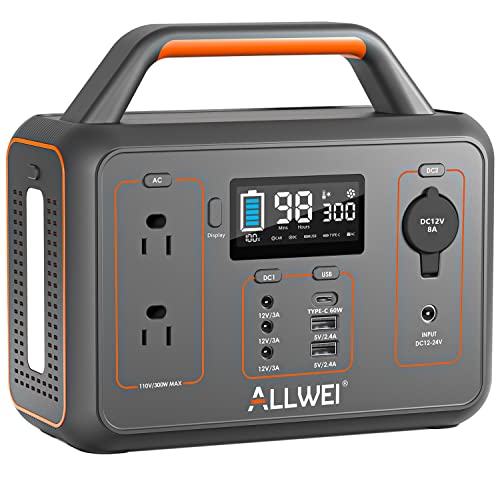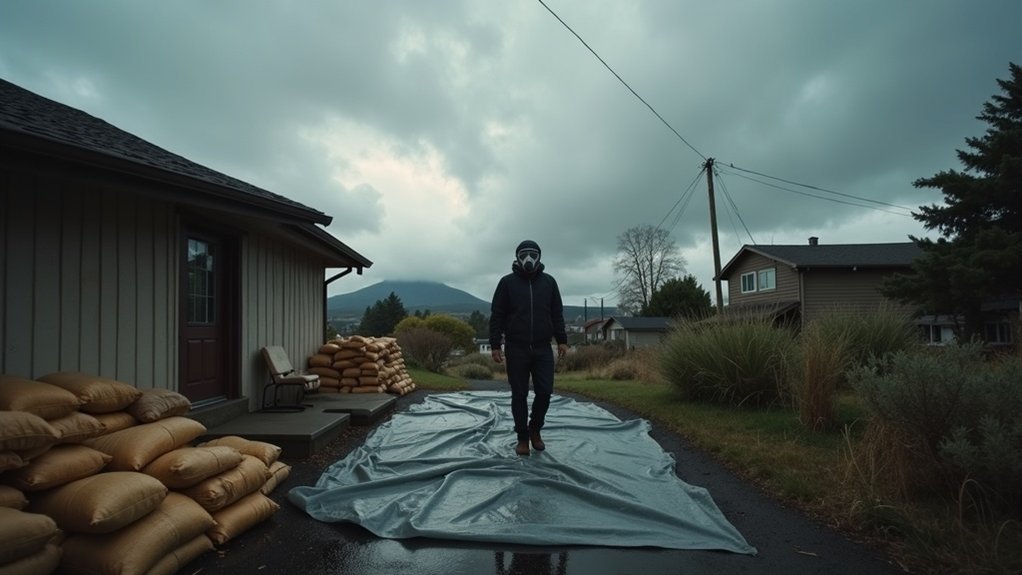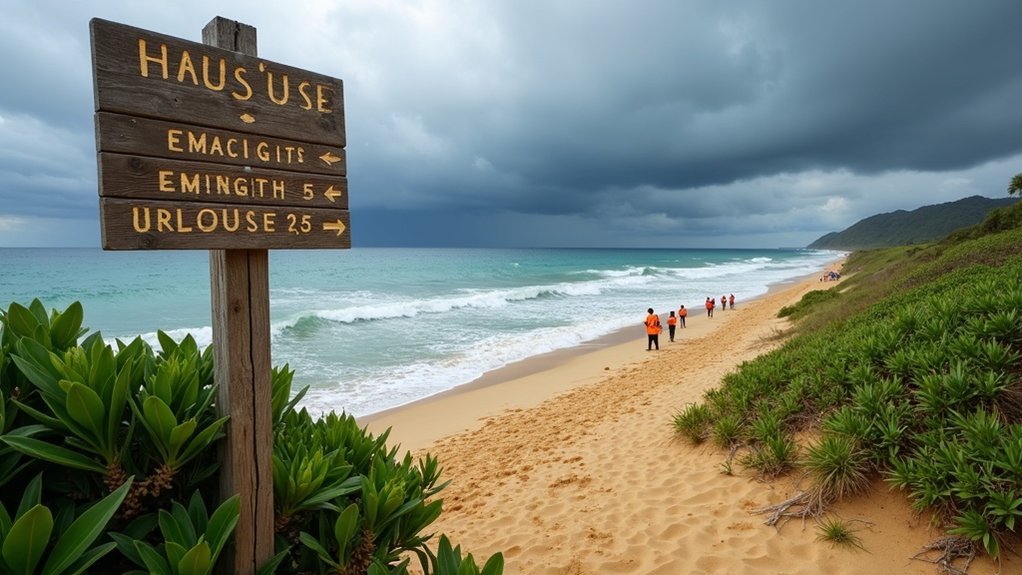
To effectively prepare for tsunamis in coastal zones, it’s essential to identify if you reside in a tsunami hazard area. Develop a robust evacuation plan that directs you to higher ground, ideally at least 100 feet above sea level. Familiarize yourself with local community evacuation routes and ensure you have a well-stocked emergency kit ready for any situation. In the event of a strong earthquake, do not hesitate—evacuate immediately to higher ground. During tsunami warnings, maintain a safe distance from the coast and always adhere to guidance from local authorities. For comprehensive preparation strategies and survival tips, continue reading the following sections.
Key Takeaways
- Assess whether your residence is situated within a tsunami hazard zone and create a strategic evacuation plan that directs you to higher ground.
- Get to know the local evacuation routes and designated safe zones, ensuring they are located at least 100 feet above sea level.
- Compile a comprehensive emergency kit stocked with vital supplies and perform regular evacuation drills to maintain preparedness.
- In the event of a strong or prolonged earthquake, evacuate immediately to high ground and steer clear of coastal areas during any tsunami warnings.
- Engage actively in local awareness initiatives and community preparedness events to bolster your knowledge and skills regarding tsunami safety and survival tactics.
Understanding Tsunamis and Their Risks
Tsunamis are formidable natural disasters that can obliterate coastal communities in moments, making preparedness essential for survival. These colossal waves, often triggered by underwater disturbances such as earthquakes, present a significant risk to coastal areas, especially along the Pacific and Caribbean coastlines.
They can rise to heights of up to 100 feet upon reaching land, frequently with little or no warning. Understanding the different levels of tsunami warnings—Advisory, Watch, and Warning—and their implications is crucial for an effective response.
Tsunamis can travel across oceans at astonishing speeds of 500-600 miles per hour, highlighting the urgent need for immediate evacuation to higher ground for those living in vulnerable regions. Preparedness and knowledge can mean the difference between safety and disaster in the face of such immense forces of nature.
Essential Preparedness Measures
Understanding the risks posed by tsunamis is just the start; taking proactive measures is essential for effective survivalism and prepping. Begin by determining if you reside in a tsunami hazard zone, then develop a comprehensive evacuation plan tailored to your household’s needs. Familiarize yourself with community evacuation routes and designated safe zones. Assemble a well-stocked emergency kit with essential supplies and practice evacuation drills frequently to ensure readiness. Staying informed about tsunami warning systems is crucial; learn to recognize the different alert levels and the appropriate actions required for each.
| Evacuation Plan | Disaster Management |
|---|---|
| Identify safe zones | Establish communication strategies |
| Conduct regular drills | Assemble robust emergency kits |
| Actively monitor alerts | Know and rehearse evacuation routes |
Tsunami Warning Systems and Alerts
Understanding tsunami warning systems is essential for your survival and preparedness in coastal areas.
As you navigate potential threats, you’ll encounter various alerts, ranging from Tsunami Information Statements to urgent Tsunami Warnings.
Each alert signifies a different level of threat, and knowing how to respond to these warnings can significantly enhance your readiness and survival during a tsunami event.
Equip yourself with the knowledge to take decisive action when faced with these alerts, ensuring your safety and that of your loved ones.
Types of Tsunami Alerts
Effective tsunami alerts are crucial for ensuring public safety along coastlines that are susceptible to these natural disasters.
Understanding the different types of alerts can enhance your preparedness: a Tsunami Information Statement indicates there’s no immediate danger, while a Tsunami Watch suggests that a tsunami is a possibility. A Tsunami Advisory warns of potentially dangerous currents, and a Tsunami Warning signals the need for immediate evacuation.
Local officials rely on seismic activity data to issue these alerts swiftly, often utilizing sirens and radio broadcasts to disseminate information quickly.
As a survivalist, it’s essential to familiarize yourself with evacuation routes and emergency plans ahead of time, as tsunami warnings can be activated within minutes of an earthquake. Staying informed and prepared will significantly increase your chances of safety during such events.
Understanding Warning Signals
When it comes to tsunami preparedness, being aware of warning signals is crucial for ensuring your survival. Tsunami alerts are categorized into levels, including the Tsunami Watch, which indicates a possible tsunami and is issued at least two hours before potential impact.
Familiarizing yourself with these alerts, such as Tsunami Advisories and Warnings, is vital for any prepper.
Natural signs, like strong earthquakes or unusual ocean sounds, can precede official warnings, so it’s essential to stay vigilant and trust your instincts.
Keep informed with local emergency information and leverage GPS technology, which enhances alert speed, allowing for detection in about 15 minutes.
Understanding these warning signals can be lifesaving in urgent situations and is a key component of effective survival planning.
Response to Alerts
Being aware of local tsunami warning systems is crucial for your survival in coastal areas. Understanding how these alerts function can significantly influence your preparedness during an emergency. Here’s what you need to know:
- Tsunami Information Statement: Indicates no immediate threat; however, stay vigilant.
- Tsunami Watch: A possible tsunami may occur within two hours; take this time to prepare for evacuation.
- Tsunami Advisory: Dangerous currents are expected; remain alert and ready to act.
- Tsunami Warning: Widespread flooding is imminent; immediate evacuation is necessary to ensure safety.
- Response Time: Tsunamis can arrive in as little as 15 minutes, making it vital to have a plan in place.
Stay informed and be prepared to act swiftly when you receive a tsunami warning. Your safety and the safety of your loved ones depend on your readiness and response.
Evacuation Routes and Safe Locations
Understanding evacuation routes and safe locations is crucial for your survival during a tsunami threat. Identify official routes leading to higher ground, ideally at least 100 feet above sea level or 1 mile inland. Regularly practice these routes with your family, ensuring everyone knows how to act swiftly and decisively during an emergency. Display your evacuation plans prominently at home and work for easy access. Designate a family meeting point in a secure zone once you reach safety. Stay informed about local tsunami evacuation plans and community resources to enhance your preparedness.
| Evacuation Routes | Safe Locations |
|---|---|
| Coastal highways | Parks on higher ground |
| Designated pathways | Schools inland |
| Local government routes | Community centers |
| Emergency services | Designated shelters |
Safety Tips During a Tsunami
Tsunamis can strike with little warning, making it crucial for survivalists and preppers to have a clear action plan in place. Here are essential safety tips to follow when faced with a tsunami threat:
Tsunamis can hit unexpectedly, highlighting the need for a well-defined emergency action plan for survivalists and preppers.
- Immediately evacuate to high ground or inland if you experience a strong or prolonged earthquake. Time is of the essence.
- Be vigilant for sudden changes in sea levels; if you observe this phenomenon, move to safety without hesitation.
- During a tsunami warning, avoid swimming or staying near the coast. Your best chance of survival is to be away from the water.
- If higher ground isn’t accessible, seek refuge in the upper floors of sturdy buildings that can withstand the impact.
- Remain in your safe location until local officials declare it’s safe to return. Remember, secondary waves can pose a significant risk even after the initial tsunami has passed.
Regularly practice your evacuation plan to ensure you and your loved ones are prepared for such emergencies.
Stay informed and ready to act.
Post-Tsunami Recovery and Safety
Once the immediate danger of a tsunami has passed, prioritizing recovery and safety is critical for survivalists and preppers.
Stay informed about local officials’ guidelines and adhere to official evacuation protocols to ensure a secure post-tsunami recovery. Avoid flooded areas and damaged roads, as they may conceal dangers like contaminated water or unstable structures.
When assessing your property for damage, only do so when it’s safe, and make sure to steer clear of downed power lines. Be aware of health risks associated with stagnant water and follow local recommendations for sanitizing your drinking water.
During cleanup, equip yourself with protective gear to defend against hazardous substances and debris, reinforcing your preparedness for any future emergencies.
Community Engagement and Education
Participating in local awareness programs and community preparedness events is vital for building your community’s resilience against tsunamis.
By engaging in these initiatives, you not only acquire critical survival skills but also contribute to resource-sharing efforts that enhance overall preparedness.
Together, these actions forge a more informed and proactive community, ready to tackle potential tsunami threats and ensure everyone is equipped to survive and thrive in challenging situations.
Local Awareness Programs
While many communities may underestimate the threat of tsunamis, local awareness programs are crucial for enhancing preparedness and ensuring survival. By educating residents and promoting proactive engagement, you can cultivate a well-informed community that’s ready to respond effectively in an emergency.
Consider implementing the following strategies:
- Organize survival workshops in collaboration with local authorities to discuss tsunami risks, emergency preparedness, and evacuation routes.
- Utilize social media platforms to provide real-time updates and survival tips during tsunami threats.
- Incorporate hands-on training and drills that focus on effective emergency responses and survival strategies.
- Partner with schools to integrate tsunami safety and preparedness education into the curriculum, fostering a culture of readiness from a young age.
- Ensure that all educational materials are accessible to everyone, including children and individuals with disabilities, to promote inclusivity in preparedness efforts.
Community Preparedness Events
Local awareness programs are crucial for effective community engagement, but organizing community preparedness events takes this initiative a step further by actively involving residents in the survival skills development process.
These events provide essential education on tsunami risks, evacuation routes, and safety protocols, cultivating a culture of preparedness and resilience. By collaborating with local authorities, you can participate in tsunami drills that simulate evacuation procedures, allowing you to practice emergency response actions.
Informational sessions will empower you to understand official tsunami alerts and identify natural warning signs. Engaging schools is vital to ensure that children learn about tsunami safety, which encourages family participation in preparedness efforts.
Utilizing local media channels enhances outreach, ensuring that everyone is informed about upcoming preparedness events and equipped with the knowledge to survive potential disasters.
Resource Sharing Initiatives
To cultivate a mindset of preparedness in coastal communities, resource sharing initiatives are crucial in providing residents with the necessary tools and knowledge for survival.
Participation in community engagement efforts increases awareness and encourages proactive involvement in tsunami preparedness. By sharing resources, we ensure that everyone is equipped with vital information regarding potential risks:
- Evacuation maps to identify the safest routes
- Emergency kits stocked with essential supplies
- Comprehensive educational programs tailored for schools and families
- Timely social media updates on safety protocols
- Strong community support networks for at-risk populations
These initiatives not only enhance understanding of tsunami alerts but also empower individuals to respond quickly and effectively, significantly bolstering overall safety and resilience in coastal areas.