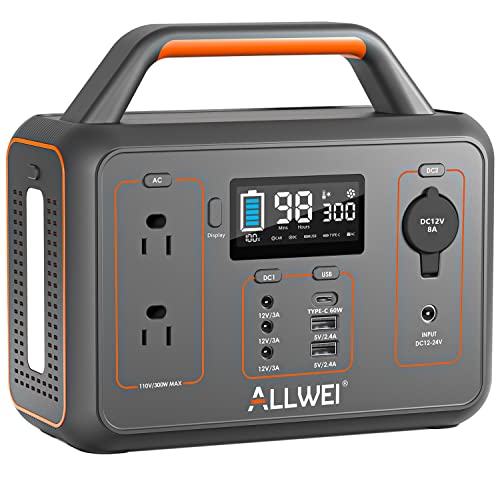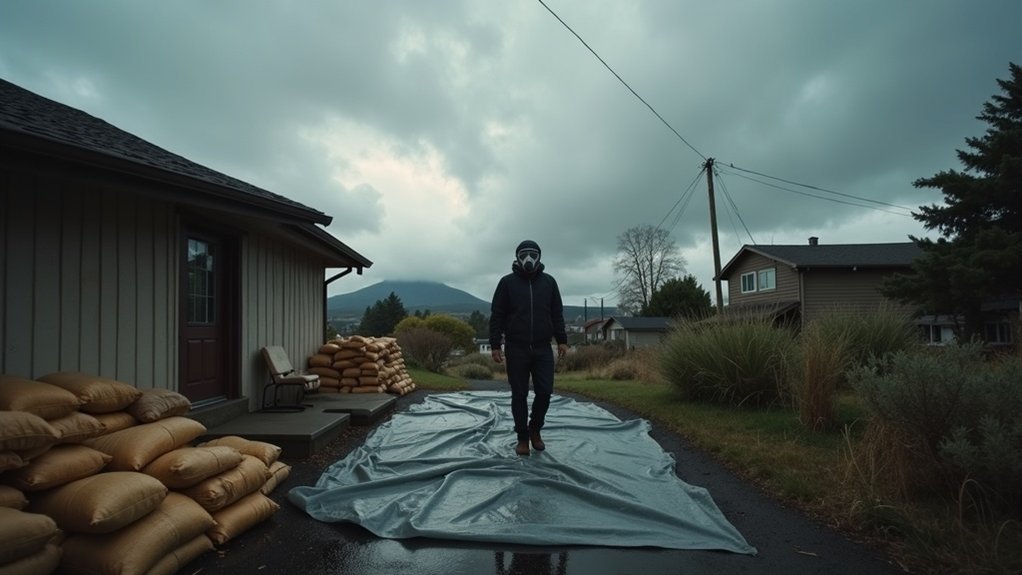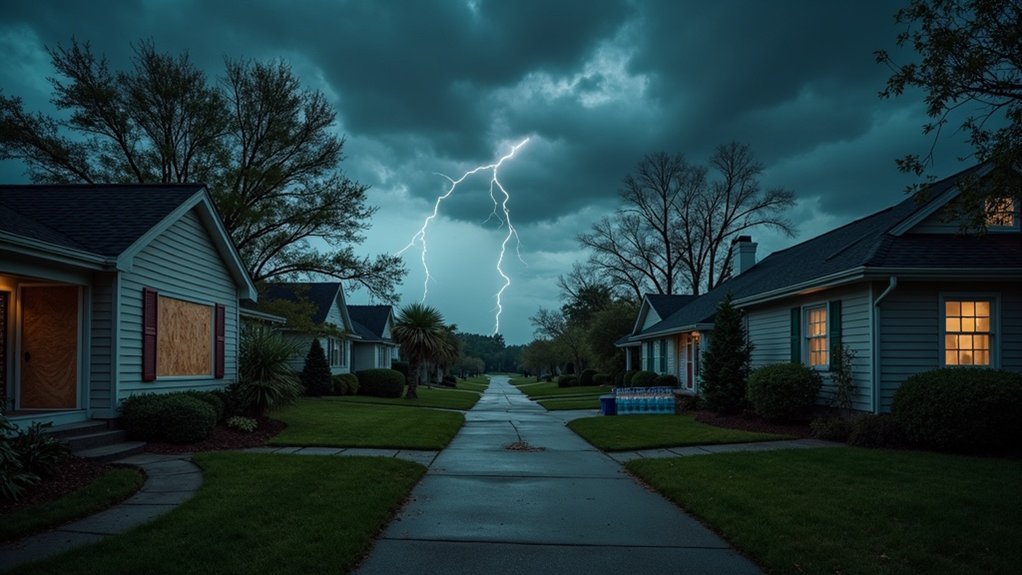
To prepare for inland hurricanes, it’s crucial to assemble a robust emergency kit that includes ample water, non-perishable food, a comprehensive first aid kit, and a NOAA weather radio to stay informed. Develop a detailed family emergency plan that outlines clear communication strategies and predetermined evacuation routes. It’s essential to stay vigilant by continuously monitoring local weather updates and signing up for emergency alerts. Fortify your home by installing storm shutters, elevating electrical systems, and clearing drainage areas to minimize flood risks. After the storm, assess your safety by checking for any damage, steering clear of floodwaters, and reviewing your supplies. Enhance your preparedness with additional survival tips and strategies to ensure you and your loved ones are ready for any situation.
Key Takeaways
- Assemble a robust emergency kit containing essentials such as water, non-perishable food, first aid supplies, and a NOAA Weather Radio to stay updated on storm developments.
- Develop a comprehensive family emergency plan that outlines multiple evacuation routes, communication strategies, and predetermined meeting spots to ensure everyone’s safety.
- Fortify your home by installing storm shutters and elevating electrical systems to mitigate risks from high winds and flooding.
- Stay vigilant by continuously monitoring weather updates through local news, emergency alerts, and the FEMA app, ensuring you’re prepared for any changes.
- Conduct a thorough inspection of your property after the storm, documenting any damage and proactively checking for hazards such as mold growth and downed power lines to safeguard your family.
Assemble Your Emergency Kit
When preparing for an inland hurricane, assembling your emergency kit is crucial to ensure your survival and readiness during the storm.
Start by including sufficient water supplies—at least one gallon per person per day for a minimum of three days. Pack non-perishable foods such as canned goods, freeze-dried meals, and energy bars that require no cooking.
Include at least one gallon of water per person daily for three days, along with non-perishable foods like canned goods and energy bars.
Don’t overlook the importance of a comprehensive first aid kit, a reliable flashlight with extra batteries, and essential sanitation supplies. A NOAA Weather Radio is vital to keep you updated on weather conditions and emergency instructions.
Lastly, protect your important documents in a waterproof bag for quick access during evacuation or post-storm recovery.
Being well-prepared is key to navigating any emergency situation effectively.
Create a Family Emergency Plan
Creating a family emergency plan is crucial for ensuring that everyone is prepared for an inland hurricane. Start by establishing a robust communication plan that includes emergency contacts and methods to stay in touch during power outages. This may involve using alternative communication methods such as two-way radios or satellite phones.
Develop a comprehensive evacuation map that outlines multiple evacuation routes and ensure all family members are familiar with navigating these paths, including potential off-grid options. Regularly practice this plan to build confidence and ensure everyone knows their roles and responsibilities.
Additionally, assemble a well-stocked disaster supply kit with essential supplies like non-perishable food, clean water, first aid items, survival gear, and important documents. Make sure this kit is easily accessible and stored in a designated location. Consider including items that cater to specific family needs, such as medications or pet supplies.
Review and update your family emergency plan at least twice a year to reflect any changes in contact information, health needs, or local hazards. Stay informed about local weather patterns and emergency alerts, and consider joining a community preparedness group to enhance your family’s resilience in the face of disasters.
Stay Informed About Weather Updates
Staying informed about weather updates is crucial for your survival and preparedness during an inland hurricane. Timely information can significantly impact your ability to take appropriate action.
Regularly monitor local news channels and specialized weather websites for forecasts and warnings. Sign up for emergency alerts from Ready Harris Alerts or AlertHouston to receive real-time notifications directly to your device.
Follow the National Weather Service for the latest tropical updates, and consider downloading the FEMA app to access alerts for multiple locations you may be monitoring.
Additionally, familiarize yourself with community resources like the CTPrepares App, which provides emergency information specific to your area, ensuring you remain informed and ready to execute your survival plans.
Protect Your Home From Wind and Flooding
To ensure your home is well-prepared for the destructive forces of wind and flooding during an inland hurricane, it’s crucial to take proactive survival measures long before storm conditions arise.
Reinforce windows and doors with storm shutters or plywood to withstand high winds and prevent water intrusion. Elevate electrical systems and appliances at least one foot above the potential flood level for added safety.
Consider installing sump pumps with battery backups to efficiently manage any water intrusion that may occur. Regularly clear gutters, drains, and downspouts to ensure unobstructed water flow, which is vital for effective drainage.
Additionally, secure outdoor items to prevent them from becoming dangerous projectiles during strong winds, which can significantly increase damage to your property and surroundings.
Being prepared is key to survival in extreme weather conditions.
Safety Tips for After the Storm
Once the storm has passed and you’ve received official clearance, it’s crucial to approach the aftermath with caution and a strategic plan. Follow these safety tips to safeguard yourself and your property as you prepare for potential future emergencies:
| Action | Precautions | Notes |
|---|---|---|
| Inspect for damage | Document it with photographs | Focus on structural integrity and potential weaknesses |
| Wear protective gear | Gloves, masks, and sturdy footwear | Avoid injury and protect against contaminants |
| Avoid contact with floodwaters | Report downed power lines to local authorities | Hazards may be hidden, including sharp objects and chemicals |
| Check for mold | Remove wet items and ensure proper ventilation | Prevent health issues and be proactive in mold prevention |
| Assess supplies and resources | Inventory food, water, and first aid kits | Ensure you are prepared for any future emergencies |
| Create a recovery plan | Outline steps for repairs and restocking supplies | Stay organized and focused during recovery |
Stay vigilant and safe while you recover, and remember that preparedness is key to resilience in the face of future storms.