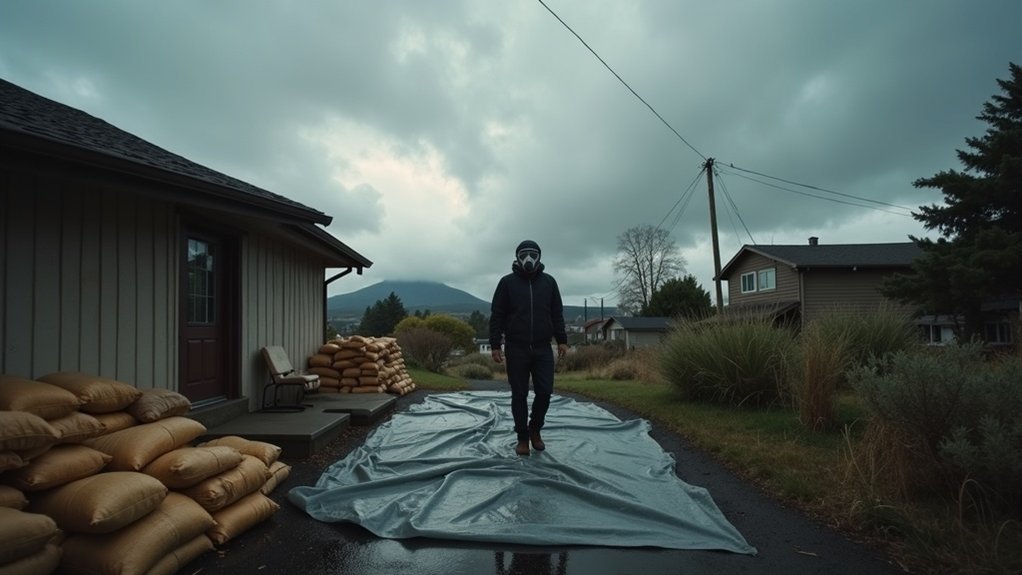
To practice a family night evacuation effectively, develop a comprehensive emergency plan tailored to your family’s specific needs and designate a secure meeting spot outside your home. Involve all family members in the process and assign specific roles, ensuring that everyone understands their responsibilities during an emergency. Set a 15-minute time limit for the drill to simulate real-life conditions and practice at various times to assess your family’s response under different circumstances. After each session, conduct a thorough evaluation of strengths and weaknesses as a unit to refine your plan. Incorporating realistic role-playing scenarios can significantly enhance your preparedness for a variety of situations, and staying consistent with these drills is key to ensuring your family’s readiness in a crisis.
Key Takeaways
- Establish a secure rally point outside your property where all family members can convene during the evacuation drill, reinforcing the importance of knowing this location in case of an emergency.
- Assemble comprehensive emergency kits for each family member, ensuring they contain critical survival gear such as water purification tablets, non-perishable food, and first aid supplies tailored for various scenarios.
- Implement a rigorous 15-minute time limit for the evacuation drill to cultivate swift decision-making skills and evaluate the effectiveness of your family’s response under pressure.
- Engage in role-playing exercises that simulate different survival situations, allowing family members to practice their designated roles and familiarize themselves with various evacuation routes and strategies.
- Conduct thorough debriefing sessions following each drill to analyze performance, celebrate successes, address challenges faced, and refine your evacuation plan to enhance preparedness for real-life emergencies.
Importance of Family Evacuation Practices
When emergencies strike, having a well-practiced family evacuation plan can be a critical factor in your survival. Regularly conducting practice drills is essential for ensuring everyone is familiar with emergency procedures, which boosts confidence and significantly reduces panic during real situations.
These drills allow you to identify weaknesses in your plan and refine your strategies for faster, more efficient responses. They also promote teamwork and effective communication, ensuring each family member understands their specific roles and responsibilities.
Make it a habit to practice your evacuation plan every three months to reinforce familiarity with escape routes and procedures. This consistency is particularly crucial for children, the elderly, and individuals with special needs, as it helps address their unique requirements during emergencies.
Setting Up the Drill
To set up your family night evacuation drill, begin by designating a secure meeting location outside your home where everyone can gather safely. This location should be easily accessible and known to all family members.
Next, prepare comprehensive emergency kits for each family member, ensuring they include essential survival items such as water, non-perishable food, first aid supplies, and any necessary medications.
Additionally, consider including tools, flashlights, and emergency communication devices. This thorough preparation will enable your family to respond efficiently and effectively during the drill, reinforcing essential survival skills.
Designate Meeting Locations
Designating a safe meeting location is crucial for ensuring your family can regroup quickly after an evacuation, especially in a survivalist context.
Choose a spot that’s familiar, easily accessible, and positioned a safe distance from your home and potential hazards such as fires, floods, or other disasters.
It’s prudent to select multiple meeting places in different directions to accommodate various evacuation routes and potential roadblocks that may arise during emergencies.
Ensure that all family members know how to reach these locations, and conduct drills to practice the routes, building confidence and familiarity.
Regularly review and update these meeting points as needed, and incorporate them into your family communications plan to keep everyone informed and prepared for any crisis.
Emphasizing preparedness will enhance your family’s chances of effectively responding to emergencies.
Prepare Emergency Kits
Preparing emergency kits is a critical component of survivalism and prepping, particularly for a successful family night evacuation drill. These supplies can be life-saving in an emergency situation.
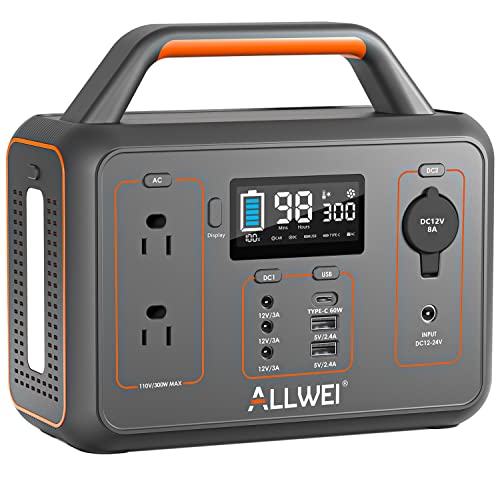
Assemble comprehensive kits that include essential items such as water, non-perishable food, a reliable flashlight, extra batteries, a well-stocked first-aid kit, and necessary medications tailored for each family member.
Additionally, each individual should have a personal go-bag that contains vital documents, a change of clothes, and comfort items to help maintain morale during a crisis.
Don’t overlook pet supplies—ensure you include food, carriers, and any specific needs your pets may have.
It’s important to regularly check and update these emergency kits every six months, and to practice utilizing them during drills. This will ensure that all family members are familiar with their contents and know how to use them effectively when the time comes.
Timing Your Evacuation
How quickly can your family respond in an emergency? Timing your evacuation is crucial for ensuring everyone makes it out safely during a crisis. Set a strict time limit of 15 minutes for your practice drills to simulate the urgency of real-life situations. Here’s how to get started:
- Use alarms or timers to effectively track your evacuation time.
- Practice at various times of day to evaluate how factors like lighting and noise can impact your response.
- After each drill, review the results as a family to identify strengths and areas for improvement.
- Schedule these timed practices every three months to reinforce familiarity with your evacuation route and enhance your preparedness.
Evaluating Performance and Areas for Improvement
After conducting a family night evacuation drill, it’s crucial to assess everyone’s performance and pinpoint areas for improvement. Discuss the successes and challenges encountered during the drill, such as the time taken to gather essential survival supplies. Use the checklist below to monitor your fire safety and preparedness progress:
| Evaluation Criteria | Status |
|---|---|
| Evacuation Time (≤ 15 min) | Achieved/Not Achieved |
| Role Clarity | Clear/Confused |
| Communication Effectiveness | Effective/Ineffective |
Encourage all family members to provide feedback on any obstacles they faced during the drill. Regularly revise your evacuation plan based on these evaluations to improve your preparedness for future emergencies. Remember, refining your strategies ensures that you and your loved ones are ready for any survival situation.
Engaging the Whole Family
Why should engaging the whole family in your evacuation plan be a priority in the context of survivalism and prepping? Including everyone ensures that each family member understands their critical roles and responsibilities during a crisis, enhancing your preparedness as a unit.
Here are some practical ways to involve your family in the practice:
- Involve all family members in planning to clarify their specific roles and responsibilities in various scenarios.
- Organize friendly competitions during practice sessions to boost motivation and camaraderie while honing skills.
- Utilize role-playing scenarios to visualize different emergency situations, allowing everyone to experience and react to potential challenges.
- Schedule regular family meetings to refine and discuss the evacuation plan, ensuring it evolves with your family’s needs and preparedness levels.
Incorporating Real-Life Scenarios
To enhance the effectiveness of your family night evacuation drills, it’s crucial to simulate real-life emergency scenarios such as a kitchen fire or a severe weather alert.
Engage in role-playing exercises where each family member practices their specific roles and communicates clearly throughout the drill. This hands-on approach not only builds resilience but also equips your family with the skills necessary to navigate a range of challenges that could arise during an actual emergency.
Simulate Emergency Situations
Simulating emergency situations is crucial for preparing your family to effectively respond to real-life crises. Here are four strategies to enhance your survival and preparedness practice sessions:
- Simulate fire and natural disaster scenarios to teach evacuation protocols and the importance of having multiple exit strategies.
- Introduce challenges like blocked exits or unexpected obstacles to foster critical thinking and adaptability in high-pressure situations.
- Assign specific roles such as calling emergency services, managing first aid, or assisting those with mobility issues to ensure everyone knows their responsibilities.
- Set time limits for evacuation drills, aiming for 15 minutes or less to increase efficiency and reinforce the importance of quick decision-making.
After each drill, conduct a thorough evaluation to discuss what strategies worked well and identify areas for improvement, ensuring your family’s emergency response plan is continuously refined and effective.
Role-Playing Exercises
How can your family best prepare for emergencies? Incorporate role-playing exercises that simulate scenarios like a house fire or natural disaster.
This hands-on practice helps everyone understand their responsibilities and familiarize themselves with evacuation routes. Use props and costumes to make the experience engaging and memorable.
Encourage family members to suggest scenarios based on local threats or personal concerns, ensuring your practice remains relevant.
After each session, hold a debriefing to discuss successes and areas for improvement, refining your family’s emergency plan.
Maintaining Consistency in Practice
While family life can be busy, maintaining consistency in evacuation practice is crucial for ensuring everyone is prepared in case of an emergency.
Maintaining consistent evacuation practice is essential for ensuring your family is prepared for emergencies, even amidst a busy lifestyle.
Here are some effective strategies to keep your family engaged in survivalism and prepping:
- Schedule practice sessions every three months to build familiarity and confidence in your evacuation plan.
- Incorporate physical fitness routines to enhance overall readiness and resilience in challenging situations.
- Assess performance after each drill to refine your emergency plan and address any weaknesses.
- Use engaging methods like friendly competitions or survival challenges to spark interest and motivate participation.