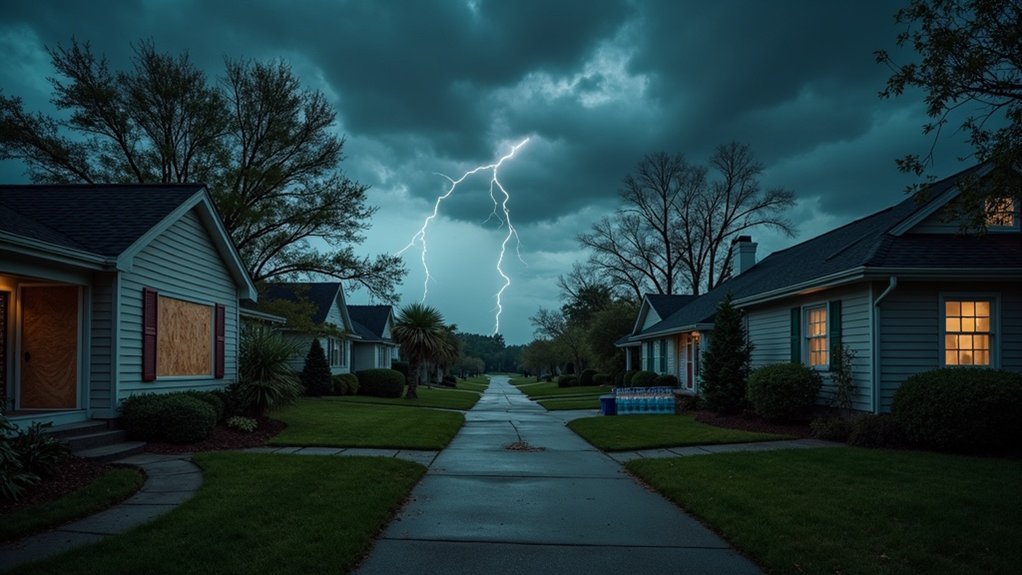
To effectively plan quiet hours during outages, begin by notifying your community at least two weeks in advance. This allows everyone ample time to prepare for potential disruptions. Utilize various communication channels—such as social media, emails, and SMS—to disseminate updates and reminders. Clearly explain the reasons for the outages and the expected durations to foster understanding and cooperation.
Encourage your neighbors to develop emergency plans and assess their power needs, as this enhances individual and collective readiness. Consider hosting community meetings or workshops to discuss preparedness strategies, share resources, and build a support network. Engaging with your community not only boosts readiness but also fosters a sense of camaraderie during challenging times. As you continue to prepare, you’ll uncover valuable tips and strategies for ongoing self-sufficiency and resilience in the face of outages.
Key Takeaways
- Announce planned quiet hours at least two weeks ahead to give the community ample time to prepare and adjust their survival plans.
- Clearly articulate the reasons behind the quiet hours and provide estimated durations to foster trust and set realistic expectations among residents.
- Utilize a variety of communication methods, including email, social media, and SMS, to ensure maximum awareness and compliance within the community.
- Encourage residents to evaluate their power needs and stockpile essential supplies, such as food, water, and medical items, to maintain comfort and safety during outages.
- Gather community feedback after each outage to enhance future preparedness strategies and improve the overall experience during quiet hours.
Importance of Advance Communication
When you communicate in advance about planned quiet hours during outages, you empower your community to prepare for any disruptions. Notifying them at least two weeks prior helps individuals adjust their plans, minimizing frustration and allowing them to gather necessary supplies.
Being transparent about the reasons for the quiet hours fosters trust and enhances overall preparedness. When you provide estimated durations, individuals can strategize accordingly, reducing anxiety about prolonged disruptions.
Utilizing multiple communication channels, like email, social media, and direct alerts, ensures your messages reach a wide audience of preppers. This proactive approach maximizes awareness and compliance, making the experience smoother for everyone involved during planned outages, and reinforcing the importance of being ready for unforeseen circumstances.
Recommended Notification Timeline
To ensure your community is well-prepared for planned quiet hours during outages, it’s crucial to implement a structured notification timeline, especially for those interested in survivalism and prepping.
Begin by notifying your community at least two weeks in advance so they can make necessary preparations. Follow up with reminders one week prior, three days before, and the day before the outage.
Clearly communicate the expected duration and affected services to enhance preparedness. Being transparent about the reasons behind the outage fosters trust within the community.
After the outage, send a follow-up message thanking everyone for their understanding and patience.
Tailoring your notifications to align with the communication preferences of your community members ensures that everyone stays informed and ready throughout the process.
Preparing Residential Customers
To effectively prepare for quiet hours during outages, it’s crucial to evaluate your power requirements and ensure that your essential devices are prioritized for use.
Discussing your emergency plans with family members is vital; it keeps everyone informed and ready to act.
Additionally, stockpile essential supplies now to ensure your household remains comfortable and safe when the power goes out.
Being proactive in your preparations can make all the difference in a survival situation.
Assess Power Needs
Assessing your household’s power needs is crucial for effective preparedness during outages. Begin by identifying essential devices that are critical for survival, such as refrigerators, medical equipment, communication tools, and any other items necessary for your family’s safety and well-being.
Prioritize these devices based on their importance; for instance, medical equipment should always take precedence over non-essential items like entertainment devices.
Next, analyze the wattage requirements of each essential device to calculate total power consumption during an outage. This will help ensure that your backup power solution, whether it’s a generator, solar setup, or battery bank, can adequately support these needs.
Additionally, evaluate the battery life and capacity of any portable power stations to confirm they can sustain your essential devices for the expected duration of an outage.
It’s important to regularly review and update your power needs assessment, especially before peak demand seasons or in anticipation of severe weather events when outages are more likely.
Being prepared is key to survival, and having a clear understanding of your power needs will help you be ready for any situation.
Communicate Emergency Plans
As you prepare for potential outages, it’s crucial to effectively communicate your emergency plans with all members of your household.
Clear communication ensures everyone understands what to expect and how to react in a survival situation. Share your plans at least two weeks prior to an anticipated outage to ensure everyone is prepared.
- Discuss how to access backup power solutions for essential services, such as generators or solar chargers, to maintain critical functions.
- Encourage each individual to create personal emergency plans, which should include strategies for charging devices, gathering supplies, and reporting outages to authorities or neighbors.
- Stress the importance of keeping contact information updated to receive timely notifications about outages and other critical updates.
Prepare Essential Supplies
When preparing for potential outages, it’s crucial to gather the right supplies to ensure your household remains safe and comfortable.
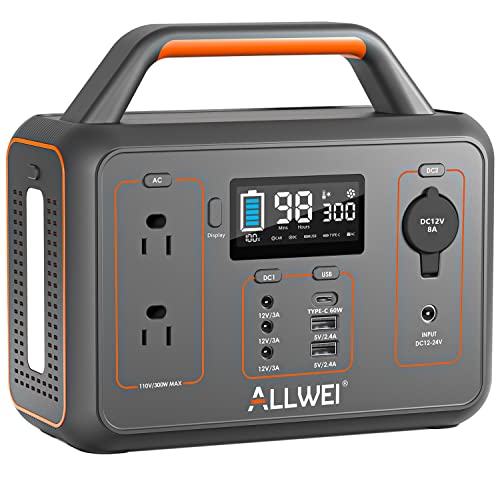
Begin by identifying essential devices that require power, such as refrigerators and medical equipment. Stockpile non-perishable food, bottled water, and necessary medications to sustain your family during extended outages. Investing in portable power stations or solar generators is wise for backup power to keep critical devices operational.
Don’t overlook the importance of assembling a comprehensive emergency kit, which should include flashlights, batteries, first aid supplies, and personal items tailored to your family’s needs.
Additionally, maintain a battery-operated or hand-crank radio to stay informed about power restoration efforts and weather updates.
Advising Businesses on Operating Hours
To effectively manage operating hours during planned outages, survivalist businesses must proactively inform their community about any changes. This means communicating clearly and early, ideally at least two weeks in advance.
Proactive communication is essential for survivalist businesses to manage operating hours during planned outages effectively.
Consider these key points:
- Segment your communication for different community groups, ensuring tailored messages for both individual preppers and larger survivalist organizations.
- Utilize social media and email to gather community preferences for outage communication, fostering a sense of preparedness.
- After power restoration, send a “thank you” message, reinforcing the importance of planned outages in enhancing self-reliance and encouraging future alert sign-ups to stay informed.
Utilizing Multiple Communication Channels
To keep your community informed during emergencies, it’s essential to leverage multiple communication channels.
By sending updates via email, social media, and SMS, you can reach individuals with varying preferences and enhance the visibility of crucial information.
Customizing your messaging strategies ensures that every prepper receives the updates they need, when they need them, allowing for better preparedness and response during challenging times.
Diverse Platforms for Updates
When preparing for potential outages, utilizing a multi-channel communication strategy is crucial for keeping your community informed and engaged. By employing diverse platforms, you can accommodate your group’s preferred methods of communication and ensure timely updates.
Consider implementing:
- Centralized platforms like KUBRA Notifi for streamlined incident communication, particularly during emergencies
- Real-time updates through social media, email, and SMS to keep everyone in the loop
- Customizable templates to maintain consistent messaging across all channels
Having a preparedness plan in place that incorporates these elements enhances the effectiveness of your communications during outages.
Being transparent about the reasons for disruptions and estimated restoration times fosters trust within your community and reduces anxiety during uncertain situations.
Tailored Messaging Strategies
Effective communication during emergencies is crucial for survivalists and preppers. It goes beyond just providing updates; it’s about tailoring your messaging to resonate with your audience.
Utilize a multi-channel approach—email, social media, SMS, and automated voice messages—to ensure your community receives vital information.
Segment your communications based on different groups, addressing the specific needs of families, individuals, and local organizations.
Craft clear, concise messages that include reasons for disruptions, estimated recovery times, and essential safety instructions.
Regularly update your community every 30 minutes to an hour, maintaining transparency and trust while keeping everyone informed of developments.
Consistency is key to effective communication in times of crisis.
Encouraging Customer Preparedness
While power outages can be unpredictable, you can take proactive measures to ensure you’re fully prepared when they strike. Start by assessing your power requirements and identifying your critical devices. Consider investing in dependable backup power solutions such as portable generators or solar panels that can sustain you through adverse conditions.
Develop a comprehensive emergency plan that includes:
- A detailed inventory of essential supplies, tools, and emergency contacts
- Effective communication strategies for staying in touch during outages
- Considerations for vulnerable individuals, ensuring that any required medical equipment has reliable backup power solutions
Additionally, stay vigilant about weather forecasts and utility updates to anticipate potential outages.
Fostering Understanding and Minimizing Disruptions
Understanding the significance of quiet hours during outages is crucial for survivalists and preppers looking to maintain order in their communities. By clearly communicating designated quiet hours in advance, you help set expectations for fellow preppers, allowing everyone to effectively prepare for potential disruptions.
Keeping the community informed about maintenance work or outages enhances understanding and minimizes frustration during critical times. Utilize various channels—like social media, emails, and community boards—to ensure your message reaches a wide audience.
Encourage feedback during these quiet hours; it’s essential for identifying concerns and refining future communication strategies. This proactive approach fosters a cooperative atmosphere, ultimately minimizing disruptions and creating a more harmonious experience for all involved in your survival community.
Monitoring and Adjusting Plans as Needed
To ensure your survival plans remain effective during power outages, it’s crucial to continuously monitor and adjust your strategies based on real-time data and community feedback.
Regular assessment helps you identify the best practices for maintaining a peaceful environment while minimizing disruption.
Consider these strategies:
- Utilize real-time monitoring tools to track local power system status and outages.
- Collect feedback from your community after each outage to refine your preparedness plans.
- Implement a communication strategy to inform fellow preppers of any changes or updates promptly.