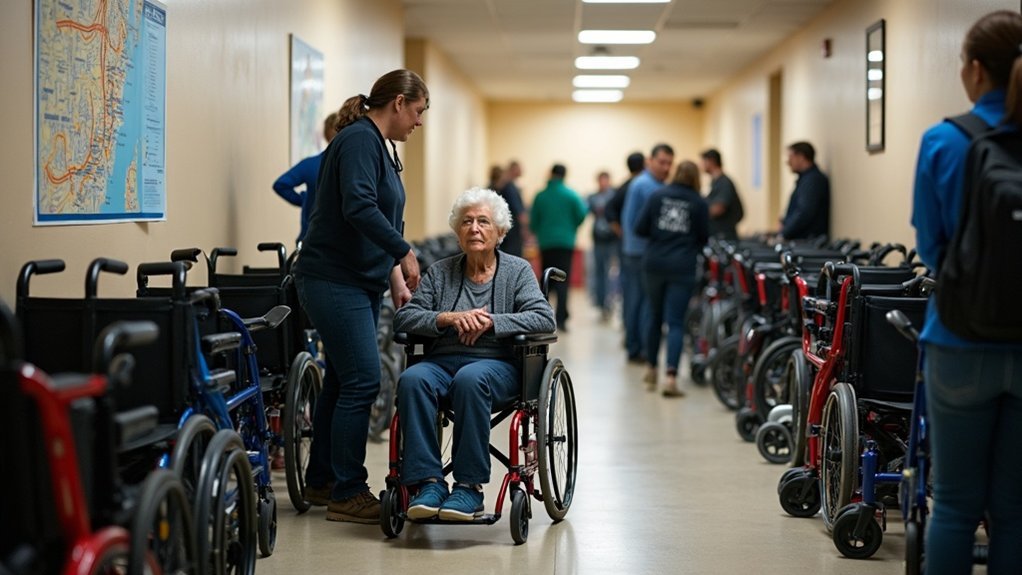
To effectively plan for mobility devices during an evacuation, first assess your mobility needs and identify the aids you use. It’s crucial to have backup solutions, such as a manual wheelchair or other mobility aids, stored in easily accessible locations. Train your support network on how to assist you during emergencies, ensuring they understand your specific needs and how to effectively help. Familiarize yourself with accessible transportation options in your area, and always have a plan for your service animal, as their well-being is just as important. By addressing these factors, you’ll enhance your preparedness for any evacuation situation, allowing you to navigate challenges with confidence and discover additional strategies to refine your survival plan.
Key Takeaways
- Ensure you have backup mobility aids, such as manual wheelchairs or other alternatives, readily available for emergencies to maintain mobility during critical situations.
- Incorporate accessible routes and exits in your evacuation plan, making sure they are well-known by all individuals involved in your preparedness efforts.
- Store essential mobility devices and medical supplies in reliable, easily accessible locations to facilitate quick access during emergencies.
- Educate your support network on the proper usage of mobility devices and conduct regular evacuation drills to ensure everyone is prepared.
- Familiarize yourself with local transportation options, including paratransit services and other available resources, to guarantee safe and effective transport during emergencies.
Assessing Your Mobility Needs
When preparing for an emergency evacuation, it’s essential to thoroughly evaluate your mobility needs to ensure a safe and efficient process.
Begin by identifying any mobility aids you use, such as wheelchairs or scooters, and take into account their weight and size for transport. Make sure your evacuation plan includes accessible exits and alternative routes that can accommodate your devices, keeping in mind potential obstacles in your path.
Identify your mobility aids and ensure your evacuation plan accommodates their transport and accessible routes.
Additionally, consider having backup mobility options, like a manual wheelchair, in case your electric devices fail during a crisis.
Engaging with your personal support network is also vital; discuss your mobility requirements with them to enhance your emergency preparedness, ensuring they’re ready to assist you effectively during an evacuation.
Preparing Backup Solutions
Evaluating your mobility needs is just the beginning of effective emergency preparedness in the realm of survivalism; having backup solutions is crucial for ensuring your readiness.
Always maintain a manual wheelchair as a backup for electric mobility devices, ensuring you remain mobile during power outages or unexpected situations.
Store essential aids like crutches or walkers at trusted locations where you can quickly access them in an emergency.
Your emergency preparedness plan should include a portable kit containing vital medical records and healthcare contacts, ready for immediate deployment.
Additionally, practice using alternative mobility strategies, such as navigating stairs, to enhance your adaptability during crises.
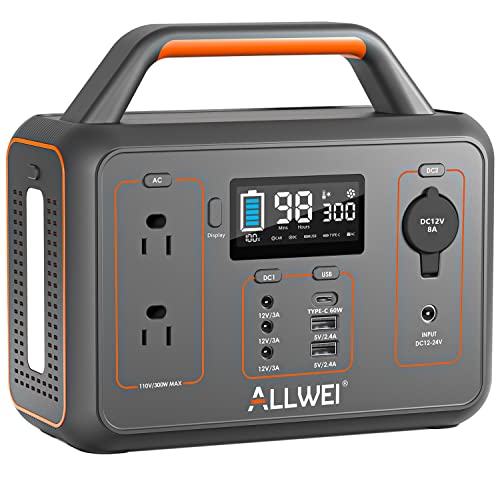
Confirm that all assistive devices, including battery-operated scooters, have a fully charged extra battery as part of your emergency stockpile, ensuring you have immediate access during evacuations or other urgent situations.
Storing Extra Equipment
Storing extra equipment is crucial for ensuring optimal mobility during emergencies and is a key component of effective survivalism and prepping.
It’s important to keep backup mobility devices, such as manual wheelchairs, stored at reliable locations, like trusted neighbors’ homes or workplaces. Establish an easily accessible emergency stockpile that includes vital items, such as additional batteries and chargers, to enhance your preparedness.
Compile a list of local resources, including medical supply stores, for quick access to alternative solutions when necessary. Regularly inspect and maintain this equipment to ensure it remains in top condition and ready for use during an evacuation or crisis situation.
Finally, communicate with your personal support network about the location of your extra mobility devices, so they can provide assistance when needed, enhancing your overall emergency preparedness strategy.
Training Your Support Network
To ensure a successful evacuation during an emergency, begin by identifying essential support roles within your survival network who can assist with your mobility devices.
Conduct comprehensive training sessions focused on the proper use of these devices, ensuring that all members feel confident in their ability to provide assistance.
Additionally, establish a clear emergency communication plan that details how you’ll signal for help during an evacuation, significantly enhancing your overall preparedness for any situation.
Identify Key Support Roles
As you prepare for an evacuation, recognizing the essential roles within your support network is critical for ensuring that your mobility needs are met in any survival situation.
Identify key individuals who can provide evacuation assistance and ensure they’re aware of your specific mobility devices. Train them on how to properly assist you, particularly when utilizing manual wheelchairs or evacuation chairs.
Regularly review and practice your evacuation plans, ensuring that everyone involved understands their responsibilities. Share clear instructions on safely operating and transporting your mobility devices to prevent any issues during an emergency.
Encourage open communication regarding any changes in your mobility needs, so your support network remains prepared and ready to help effectively when the time comes.
Conduct Equipment Training Sessions
Conducting equipment training sessions is crucial for ensuring your survival team can effectively assist you during an evacuation. Regular training enables them to learn how to operate and handle mobility devices, such as wheelchairs and scooters, which may be vital in a crisis.
Provide clear instructions and demonstrations on adjusting and maneuvering these devices for swift evacuations. Distribute written guides or visual aids that outline procedures and unique features of your mobility aids.
Encourage your team to practice simulated evacuation scenarios to build confidence and improve response times, which can make a significant difference in critical situations.
Schedule refresher sessions periodically to keep everyone informed about any updates to your mobility devices or changes in your specific needs, ensuring that your support network remains prepared and effective when it matters most.
Establish Emergency Communication Plan
Establishing a robust emergency communication plan is crucial for survivalism and prepping, ensuring your support network can effectively respond during an evacuation.
Create a plan that addresses your mobility device needs by:
- Designating emergency coordinators who are well-versed in your specific requirements.
- Sharing detailed written instructions on operating your mobility devices to ensure smooth operation under pressure.
- Providing up-to-date contact information for all individuals involved in your emergency plan.
- Regularly conducting training sessions with your support network on various evacuation scenarios to enhance preparedness and response capabilities.
Accessible Transportation Options
How can you ensure that accessible transportation options are available during an evacuation?
First, it’s crucial to familiarize yourself with local emergency services that provide paratransit, offering door-to-door transport for individuals with disabilities. Make sure you’re registered for these services well in advance, as preparation is key in survival situations.
Many public transportation systems comply with the ADA, featuring ramps and designated seating for those using wheelchairs, which can be vital during an emergency evacuation.
Additionally, consider utilizing ride-sharing apps that now offer accessible vehicles, providing more flexibility in your transportation options.
Community organizations may also offer volunteer transportation services, which can be invaluable during a crisis.
By staying informed about these accessible transportation options, you can ensure that you and your loved ones can evacuate safely and efficiently when an emergency arises.
Being prepared is an essential component of survivalism and prepping.
Transporting Service Animals
When preparing for the evacuation of service animals in a survival or prepping scenario, it’s crucial to ensure they’ve proper identification for efficient transport.
Consider robust, safe methods for transporting your animal that minimize stress and secure their safety, as stress can impact their performance in critical situations.
Additionally, assemble emergency supplies specifically tailored to your service animal’s needs, including food, water, medications, and comfort items, to support their well-being throughout the evacuation process.
Being well-prepared can make all the difference in maintaining your service animal’s health and effectiveness during emergencies.
Service Animal Identification
What steps should you take to ensure your service animal is recognized during an evacuation? Proper identification is crucial for guaranteeing that your service animal receives the emergency assistance they need. Follow these steps:
- Equip your service animal with a harness or vest that clearly indicates their role, making them easily identifiable in chaotic situations.
- Keep your service animal close at all times to prevent confusion and ensure their safety during the evacuation process.
- Familiarize yourself with local regulations regarding service animals to facilitate smooth transportation in emergency scenarios.
- Prepare essential supplies, including food, water, and identification documents, so you and your service animal are ready for any unexpected situation.
Safe Transport Methods
When planning for an evacuation, it’s crucial to ensure that your service animal can be transported safely and efficiently. As a person with a disability, you depend on these service animals for essential assistance.
Utilize safe transport methods, such as a secure harness or carrier, to reduce stress and ensure their safety during chaotic situations. Always have a leash readily available to maintain control and prevent your animal from getting lost in the confusion.
Make sure you’re familiar with local regulations regarding service animals in transportation to avoid any issues.
Furthermore, consider appointing an emergency contact who’s knowledgeable about your service animal’s needs and can provide the necessary care during and after the evacuation process.
Preparedness is key to ensuring both your safety and the well-being of your service animal in times of crisis.
Emergency Animal Supplies
Emergency preparedness for transporting service animals is a crucial aspect of survivalism and prepping. In the event of an evacuation, ensuring your service animal’s safety and comfort is paramount.
Here’s a comprehensive list of essential supplies you should have on hand:
- A durable portable carrier or harness for secure transport during emergencies.
- An emergency kit stocked with food, water, and medications sufficient for at least three days.
- Copies of your service animal’s identification and vaccination records, stored in a waterproof container.
- Knowledge of local emergency shelters that accommodate service animals, as well as alternative options if necessary.
Being well-prepared can make all the difference in a crisis situation.
Familiarizing With Evacuation Routes
How well do you know your building’s evacuation routes? Familiarizing yourself with these paths is crucial for survival, especially if you use mobility devices. Assess the layout, identifying accessible routes and potential obstacles that could hinder your escape in an emergency. Regularly practice traversing the routes to build confidence and ensure you’re prepared for any situation. Be aware of designated Areas of Refuge, where you can wait for assistance if necessary. Discuss your evacuation strategies with your support network to guarantee everyone understands your mobility needs and is ready to act in case of an emergency.
| Route Type | Accessibility | Area of Refuge |
|---|---|---|
| Main Exit | Yes | Near stairwell |
| Secondary Exit | Yes | Lobby area |
| Emergency Exit | No | 2nd floor |
| Service Exit | Yes | Basement |