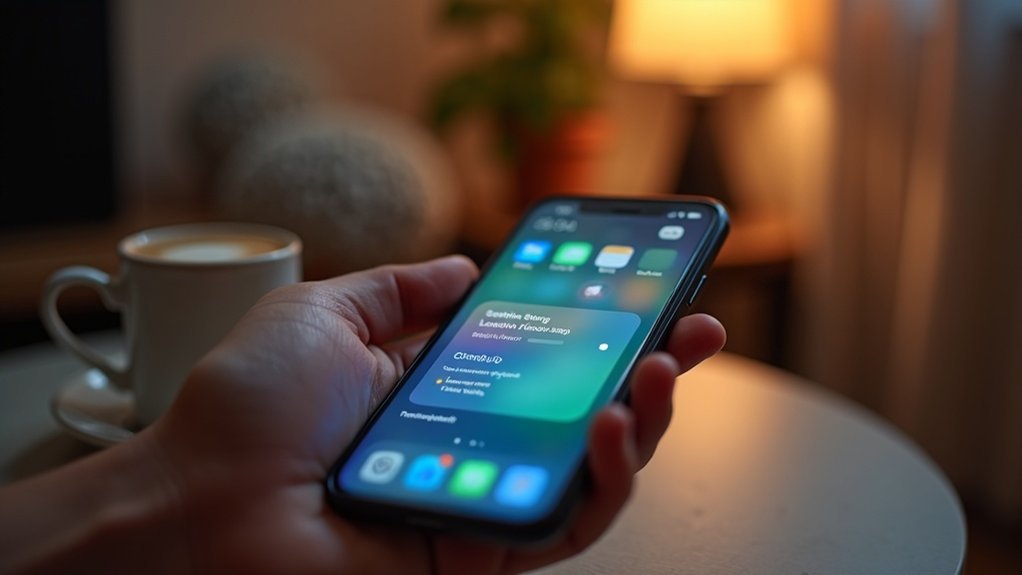
To manage location sharing settings safely in the context of survivalism and prepping, start by adjusting app permissions on your device’s settings. Limit sharing to essential apps related to emergency preparedness and survival information, while switching off access for non-essential ones. If you’re part of a survival group, customize sharing preferences to enhance privacy and security. Regularly review your sharing list in relevant apps, ensuring you only share your location with trusted members of your preparedness team. Periodically evaluate your settings and location history to fortify your security, especially in uncertain times. For more tips on optimizing your location services for survival situations, keep exploring.
Key Takeaways
- Regularly review location sharing settings in survival and prepper apps to control who can access your location and for what purpose, ensuring your safety during critical situations.
- Use app-specific permissions to limit location access to only essential survival apps, which enhances both your privacy and battery life when out in the field.
- Set up alerts for family movements during emergencies, but manage notification frequency to avoid being overwhelmed by updates that could distract from survival tasks.
- Periodically delete location history and disable sharing in Location Services to maintain privacy and security, protecting your location from potential threats.
- Reassess your sharing preferences after any social changes or shifts in your prepping group, removing access for unnecessary contacts to ensure your safety and confidentiality.
Understanding Location Services on Your Device
When you enable location services on your device, you’re utilizing a powerful tool that can enhance your survival preparedness by accurately determining your geographical position.
Location services use GPS, Wi-Fi, Bluetooth, and mobile networks to pinpoint your location, which can be crucial during emergencies or natural disasters.
Location services leverage GPS, Wi-Fi, Bluetooth, and mobile networks to accurately determine your location, vital for emergencies and natural disasters.
Both Apple and Android devices allow you to manage location sharing through settings, giving you control over when apps access your location. In survival situations, you can adjust accuracy levels to share either precise or approximate data based on your situation.
For added privacy and security, customize app-specific permissions, ensuring that only selected applications can access your location when you need them, helping you maintain situational awareness while protecting your personal information.
Adjusting Location Permissions for Apps
Adjusting location permissions for apps is crucial for survivalists and preppers who prioritize privacy and security in uncertain times.
On Apple devices, navigate to Settings > Privacy & Security > Location Services to manage app-specific location permissions. You can select options like “Never,” “While Using the App,” or “Always” to control which apps can track your whereabouts.
For Android users, press and hold the app icon, select “App info,” then go to “Permissions” > “Location” to set your preferences.
Regularly reviewing these settings is vital in mitigating privacy risks and ensuring that apps only have access to your location when absolutely necessary. Disabling access for non-essential apps can’t only protect your personal information but also conserve battery life—an important consideration when preparing for emergencies or prolonged outdoor activities.
Managing Location Sharing in Family Groups
Managing location sharing within family groups can be a valuable asset for survivalists and preppers, offering a blend of convenience and privacy control, especially in uncertain environments. By utilizing Family Sharing, the organizer automatically shares their location, while each member can manage their sharing preferences to ensure safety and preparedness. Here’s a quick overview:
| Feature | Description | Benefit |
|---|---|---|
| Default Location Sharing | Organizer shares location automatically | Ensures family connectivity during emergencies |
| Personalized Privacy Settings | Members can choose who sees their location | Maintains privacy while staying alert to threats |
| Notifications | Alerts for family arrivals/departures | Improves situational awareness and response time |
| Device Location | Helps locate missing devices | Aids in recovery of essential survival gear |
| Find My App | Manage location sharing easily | Centralizes control for effective communication in crises |
Leverage these tools to enhance safety and privacy while preparing for any situation.
Sharing Your Location in Google Maps
Sharing your location in Google Maps can significantly enhance your safety and connectivity, particularly in survival situations or emergencies.
To effectively manage your location data, consider these essential points:
- Open the app, tap your profile picture, and select “Location sharing.”
- Choose a sharing duration that fits your needs—from 15 minutes to indefinitely, depending on the situation.
- Share your location with trusted contacts or through a secure shareable link, ensuring only those in your preparedness network have access.
- Regularly review your sharing list to ensure only reliable contacts maintain access to your location, which is crucial for effective coordination during emergencies.
In the realm of survivalism and prepping, being connected can be a vital component of your safety strategy.
Setting Up Location-Based Notifications
To set up location-based notifications effectively for survivalism and prepping, you’ll first want to configure your notification preferences within the Settings app.
Choosing specific locations for alerts can help you stay informed about the movements of your family members, especially in emergency situations, whether they’re arriving or leaving critical locations like home, work, or designated safe zones.
Additionally, managing the frequency of these notifications ensures you receive updates that align with your preparedness routines without overwhelming you, allowing you to stay focused on your survival strategies.
Setting Notification Preferences
While monitoring family members’ movements can enhance safety and preparedness, setting up location-based notifications ensures you stay informed when they arrive or depart from crucial locations, especially during emergencies.
To optimize your alert preferences for survival situations, consider the following:
- Access the notifications section of your preferred survival app.
- Customize notifications for individual family members to track their locations.
- Establish recurring notifications for specific timeframes, such as during drills or emergencies.
- Ensure alerts align with your family’s preparedness routines and plans.
Choosing Locations for Alerts
How can you ensure your location-based alerts are most effective for survival situations?
Start by accessing your device’s Find My app or location services to set up notifications for specific family members or trusted contacts. Establish alerts for arrivals or departures at critical locations, such as your home base, bug-out locations, or supply caches, to enhance your awareness of their movements.
Consider setting recurring notifications for regular updates during specified timeframes, especially during emergency scenarios. Additionally, configure alerts to notify you if a family member isn’t at a designated safe spot, adding an extra layer of security.
Regularly review and adjust the locations and criteria in your location sharing settings to ensure your notifications are relevant and useful for your survival strategy.
Managing Notification Frequency
Effective management of notification frequency is crucial for maximizing your preparedness and survival strategies. By customizing these settings, you can enhance your situational awareness and ensure you’re alerted when it matters most.
Consider the following:
- Set alerts based on family members’ routines to receive timely notifications about their whereabouts during critical situations.
- Choose which individuals trigger alerts for personalized updates regarding their safety and status.
- Customize notifications for arrival or departure at key survival locations, such as emergency meeting points or safe houses.
- Enable alerts for when a family member isn’t at a designated spot within a specified timeframe, helping you monitor their safety during emergencies.
Finding Missing Devices With Shared Locations
When you’ve misplaced a critical survival device, location sharing can be a vital tool for swiftly retrieving it, especially with the assistance of family or fellow preppers.
Utilizing features like remote sound activation can guide you to its location even if it’s muted, while activating Lost Mode can secure the device and display a message for anyone who might come across it.
Properly configuring these settings is crucial for effective recovery and ensuring you remain prepared in any situation.
Locate Devices Quickly
While you mightn’t always consider it, enabling location sharing can be crucial in survival situations, especially when trying to keep track of essential gear or devices.
Utilizing features in the Find My app can ensure that your companions are prepared and can assist you effectively in the event of a lost item:
- They can see your location and the status of your gear.
- You can activate a sound on the missing device, making it easier to locate amidst the chaos.
- If the device is secured with a passcode, you can put it in Lost Mode to protect sensitive information, ensuring your prepper plans remain intact.
- In critical situations, they can remotely erase the device to safeguard personal data from falling into the wrong hands.
These tools highlight the importance of location sharing for a swift resolution in recovering vital survival equipment.
Remote Sound Activation
Enabling remote sound activation for your survival gear can significantly enhance your ability to locate essential items quickly, especially in high-stress situations. This feature is most effective when location sharing is enabled, allowing you to find missing equipment or devices more reliably.
By activating a sound on your gear, you can easily pinpoint its location, particularly if it’s within arm’s reach. This real-time tracking capability ensures you don’t waste precious time searching aimlessly during critical moments.
Furthermore, if fellow survivalists or family members have access, they can assist in locating the equipment using the shared location data. Keep in mind, having this feature active greatly increases your chances of a successful recovery, ensuring you’re always prepared in the face of uncertainty.
Lost Mode Features
Lost Mode features significantly enhance your ability to recover lost or missing devices, incorporating shared location capabilities that are crucial for survival situations. When activated, it not only secures your device but also displays a personalized message for anyone who may find it.
Here’s how Lost Mode can aid in your recovery efforts:
- Family members can track the device’s real-time location using the Find My app, ensuring you stay connected during emergencies.
- You can play a sound to help locate the device if it’s nearby, making it easier to retrieve in a critical situation.
- A custom contact number allows finders to reach you directly, increasing the chances of your device being returned.
- Family Sharing members can remotely erase the device, safeguarding your sensitive data in case of loss.
In survivalism and prepping, these features are invaluable for maintaining communication and protecting your vital information.
Deleting or Stopping Location Sharing
Stopping location sharing is a crucial aspect of maintaining your privacy and security, especially for those interested in survivalism and prepping.
On Apple devices, open the Find My app, select the individual you’re sharing your location with, and choose “Stop Sharing My Location.”
For Android users, navigate to Google Maps, access Location Sharing, select the person, and tap “Stop.”
If you’re using a Google account, consider deleting your location history through the Data and Privacy settings for added protection.
Additionally, completely disabling location sharing in your device’s Location Services can further enhance your privacy in a survival situation.
Regularly reviewing these settings ensures you stay in control of who’s access to your location, which is vital in uncertain times.
Regularly Reviewing Your Location Sharing Settings
While sharing your location can be beneficial for coordinating meetups or emergencies, it’s essential to regularly review your settings to protect your privacy and security, especially in a survivalist context.
Here are some crucial steps to take:
- Periodically check your location sharing settings on apps like Find My or Google Maps to ensure that only trusted individuals have access to your whereabouts.
- Adjust the duration settings to limit how long your location is shared, ensuring it aligns with your current situation and needs.
- Keep track of the contacts with whom you’ve shared your location, and promptly remove anyone who no longer needs access, thereby minimizing potential risks.
- Set reminders to reassess your sharing preferences, particularly after adding new contacts or if your social circle changes, to stay vigilant.
Being proactive in managing your location sharing can help safeguard your privacy and ensure that you remain prepared for any situation.