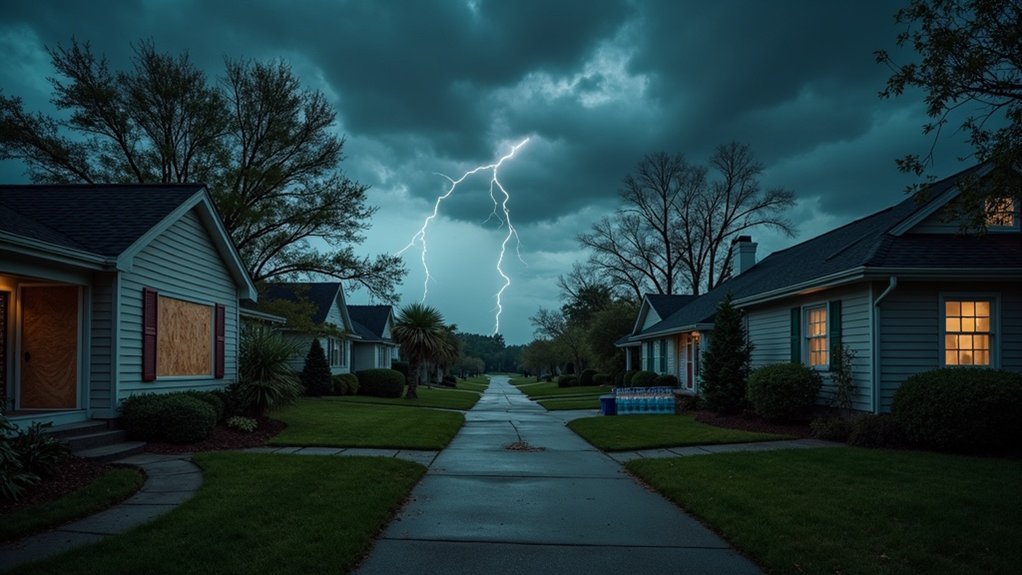
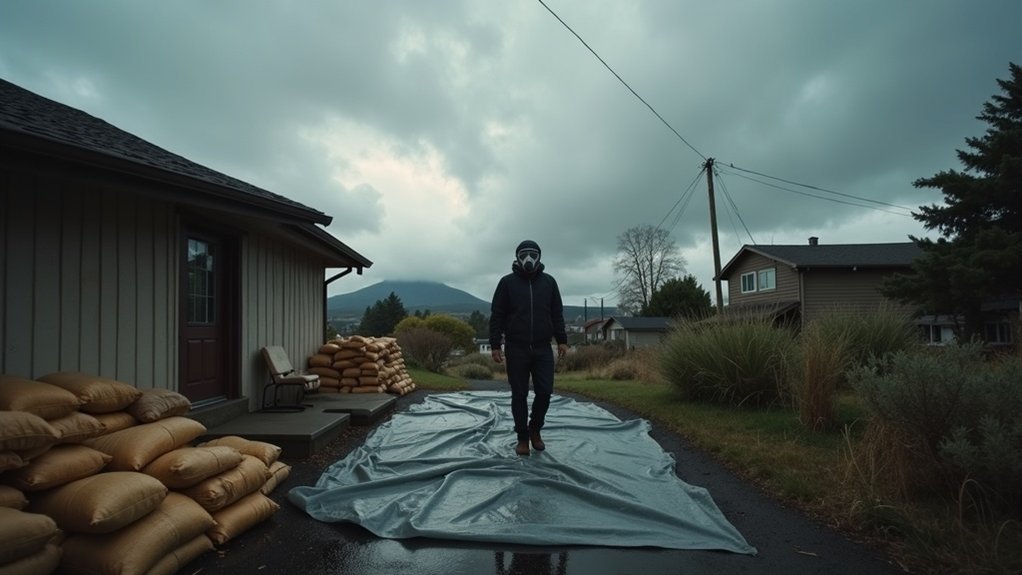
To maintain your routines during outages, it’s crucial to assess essential devices like phones and laptops and estimate their daily power needs. Consider investing in portable power solutions, such as power banks and solar generators, to ensure your devices remain charged, even during extended outages. Plan for redundancy by incorporating multiple backup systems and establish reliable internet access through LTE hotspots or satellite communications. Optimize your workspace with energy-efficient devices to minimize power consumption. By implementing these strategies, you’ll be well-prepared to stay on track and face any unexpected challenges that may arise in a survival situation.
Key Takeaways
- Prioritize essential survival tasks by identifying critical activities that must be completed during power outages, ensuring you stay focused on what matters most for your safety and preparedness.
- Utilize backup power solutions like portable power banks or solar chargers to maintain connectivity with communication devices and essential survival tools.
- Create a flexible survival schedule that accommodates potential disruptions, allowing for adjustments as needed to ensure you remain prepared during outages.
- Keep essential devices fully charged in advance, ensuring access to communication, navigation, and healthcare equipment when you need it most.
- Establish offline routines, such as practicing outdoor skills, reading survival manuals, or exercising, to maintain your physical and mental well-being during outages and enhance your preparedness for future challenges.
Assessing Essential Devices for Continued Use
When preparing for power outages, it’s essential to evaluate which critical devices you’ll need to keep operational for survival and preparedness.
Begin by compiling a list of devices vital for maintaining communication, security, and health, such as your mobile phone, medical equipment, laptops, and any other survival tools.
Compile a list of essential devices for communication, security, and health to prepare for power outages effectively.
Estimate the daily hours of use for each device to gauge their power requirements. Calculate total energy consumption by multiplying each device’s wattage by its estimated hours of use.
Prioritize your devices based on necessity, ensuring that communication tools and essential healthcare equipment are at the top of the list.
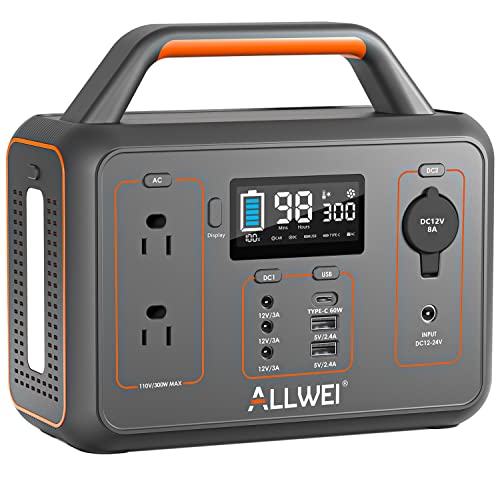
Additionally, consider investing in reliable backup power solutions, such as solar-powered chargers, power banks, or portable power stations, to ensure you can keep these essential devices operational and remain self-sufficient during outages.
Implementing Portable Power Solutions
To ensure you remain powered during outages, implementing portable power solutions is crucial for any survivalist or prepper.
Begin by assessing the wattage needs of your essential devices. A compact power bank is perfect for keeping communication devices like your phone charged, while a more robust portable power station can support laptops, routers, and other critical electronics.
Consider investing in a solar generator for a sustainable power source during extended outages, as it allows you to harness the sun’s energy for reliable battery power.
Always keep a fully charged power bank on hand for communication, ensuring you can stay informed or call for help in an emergency.
By integrating multiple backup power solutions, you’ll minimize stress and maintain functionality when the grid goes down.
Regularly test your systems to confirm they’re ready for action when you need them most.
Planning for Redundancy in Power Supply
While outages can severely impact your survival efforts, planning for redundancy in your power supply ensures that you remain self-sufficient and prepared. Here’s how to confirm you’re ready for any situation:
- Create a comprehensive list of essential devices and their wattage to prioritize your power needs during emergencies.
- Utilize multiple backup power solutions, such as portable power banks, power stations, and generators, to maintain energy independence.
- Explore solar input options for recharging your backup systems during daylight hours, harnessing renewable energy for your survival.
- Regularly test and maintain your backup power systems to ensure reliability when you need it most.
Optimizing Your Workspace for Energy Efficiency
Maintaining energy efficiency in your workspace is crucial, especially during outages when every watt counts.
Here are some survivalist tips to ensure you remain productive while working from home, even in challenging circumstances. Use laptops instead of desktops, as they consume less power and are more portable for emergency situations.
Adjust your screen brightness and unplug devices that draw standby power to conserve energy. Close unnecessary apps and browser tabs to extend battery life, allowing you to focus on essential tasks you’ve been putting off.
Additionally, opt for wired Ethernet connections for a stable, energy-efficient internet connection, which can be vital for accessing important information during a crisis.
These simple changes can significantly enhance your energy efficiency and productivity, ensuring you’re prepared for any situation.
Maintaining Connectivity and Backup Strategies
When outages strike, staying connected can feel like a challenge, but having robust survival strategies in place makes all the difference. Here are some essential tips to maintain connectivity and safeguard your data during emergencies:
When outages occur, having effective strategies ensures you stay connected and protect your vital information.
- Invest in a portable LTE/5G hotspot for reliable internet access, ensuring you can stay informed and connected to vital resources.
- Keep uninterruptible power supplies (UPS) for your routers and modems, so you can maintain connectivity even during power outages.
- Utilize your smartphone as a mobile data hotspot for essential devices, providing a backup connection when other options fail.
- Always have a power bank charged and ready for recharging critical devices, ensuring you can keep communication lines open.
Additionally, create both online and offline backups to prevent data loss, ensuring access to important files regardless of your power status.
Stay prepared and maintain your operational capability in any situation!