To legally carry tools in your area, especially as part of your survivalism and prepping efforts, it’s crucial to understand local and state laws. Begin by checking transportation regulations specific to tools that may be used for survival or emergency preparedness. Store your tools securely to avoid any potential legal issues. It’s important to demonstrate that you have no intent for illegal use, as the visibility of your tools can influence legal interpretations. Be aware of any licensing requirements for specific survival-related professions, and ensure you comply with concealment regulations, as these can vary significantly. Staying informed about changes in laws will help you remain compliant and avoid any legal complications while you prepare for any situation. More insights await you on how to effectively and legally equip yourself for survival.
Key Takeaways
- Research local and state laws regarding tool possession to ensure compliance with regulations specific to your area, especially in relation to survival scenarios.
- Store tools securely in your vehicle’s trunk or a designated area to avoid legal complications while prepping for emergencies.
- Use toolboxes or cases to minimize concerns about tools being perceived as concealed weapons, allowing you to remain discreet while preparing for survival situations.
- Be prepared to demonstrate proof of intent to use tools legally, particularly in survival situations where your preparedness may be questioned.
- Stay informed about legal changes by subscribing to newsletters and engaging with local prepper communities, ensuring you are up-to-date on regulations that affect your survivalist activities.
Understanding Local and State Laws
When you carry tools in the context of survivalism and prepping, understanding local and state laws is crucial to ensure you’re complying with regulations.
Familiarize yourself with state-specific laws regarding tool possession, as many require proof of intent for legality, especially in survival situations. Local ordinances may impose stricter rules that differ from state laws, so it’s essential to research these location-restricted rules diligently.
Be aware that tools, such as lock picks or multi-tools, may be legal unless intent to commit a crime is evident. Additionally, the visibility of your tools can influence legal interpretations; tools in plain view may lead to different outcomes compared to concealed ones.
Stay informed about any changes in these laws to maintain compliance and ensure your preparedness efforts aren’t hindered by legal issues.
Key Considerations for Tool Transportation
When preparing for survival situations, it’s crucial to consider how you transport your tools while adhering to local and state laws. Always verify regulations, as they can differ significantly by location.
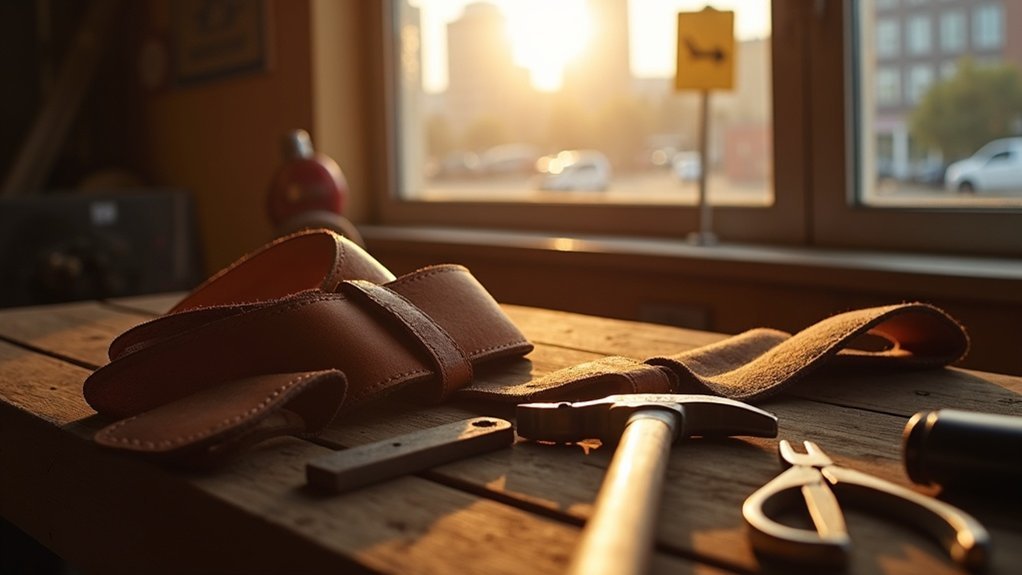
To prevent your tools from being classified as “burglary tools,” ensure that you demonstrate no intent for illegal use. When transporting tools in a vehicle, it’s advisable to store them securely in the trunk or another designated area to comply with concealment laws, as visibility can impact legal interpretations.
Using toolboxes or cases can also help alleviate concerns that your tools might be perceived as concealed weapons. Additionally, for certain survival-related professions, be aware of any extra licensing requirements specific to your tools.
Licensing Requirements for Specific Professions
Understanding licensing requirements is essential for specific professions that involve tool usage, such as locksmithing, which can also relate to survivalism and prepping. These regulations not only guarantee public safety but also enforce competency standards that can be crucial in emergency situations.
For instance, North Carolina mandates licensing for locksmith services, ensuring that individuals are equipped to handle critical situations, while Tennessee’s regulations protect against criminal exploitation, which is vital for community safety.
Here are some key points to remember in the context of survivalism:
- Licensing often includes background checks to ensure trustworthiness.
- Proof of training is typically required, ensuring that individuals possess the necessary skills for survival tasks.
- Some states allow exemptions for educational demonstrations, which can be beneficial for prepping workshops.
- Regulations vary by state, so it’s crucial to check local laws when preparing for emergencies or survival scenarios.
Compliance With Concealment Regulations
Compliance with concealment regulations is crucial for survivalists and preppers who carry tools, as legal implications can vary significantly based on your location.
Many states permit the possession of tools like lock picks, provided you can’t be proven to have criminal intent. Concealed carry laws differ by state; for example, tools left on a car’s back seat may not be considered concealed, while those stored in the trunk might be.
Always review local ordinances, as they may impose stricter regulations than state laws. Additionally, partially visible tools can raise legal concerns, so ensure you can justify their presence to avoid complications in a survival situation.
Staying Informed About Legal Changes
Staying informed about legal changes is crucial for anyone involved in survivalism and prepping. Regulations can evolve rapidly, so keeping up-to-date is vital to avoid potential legal issues.
Staying updated on legal changes is essential for survivalists and preppers to prevent potential legal complications.
- Subscribe to survival and preparedness newsletters for timely updates on laws related to tools and gear in your area.
- Engage with local prepper community forums to share insights and experiences with fellow enthusiasts.
- Regularly review government websites for official updates on laws regarding self-defense tools and survival gear.
- Attend local government meetings to hear directly from enforcement officers about upcoming changes that may affect your preparedness plans.