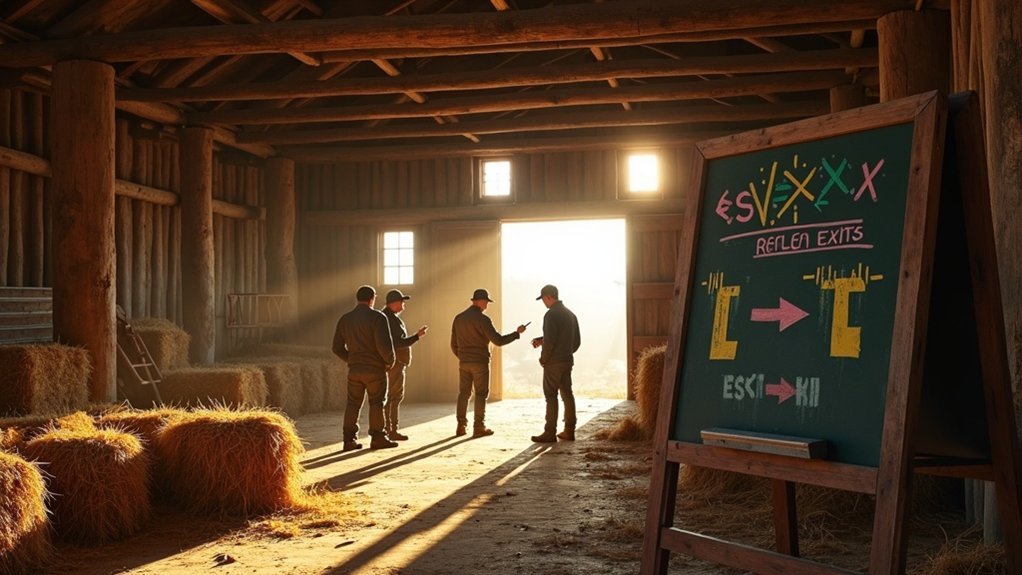
To create a barn evacuation plan that aligns with survivalism and prepping principles, begin by thoroughly evaluating your barn’s layout and identifying both primary and secondary exit routes. Ensure that all doors open easily and that aisleways are free of obstacles to facilitate quick evacuations. Develop an evacuation strategy that prioritizes the specific needs of your animals, as their safety is paramount in any emergency situation. Conduct practice drills at least twice a year to reinforce these procedures and ensure everyone knows their role.
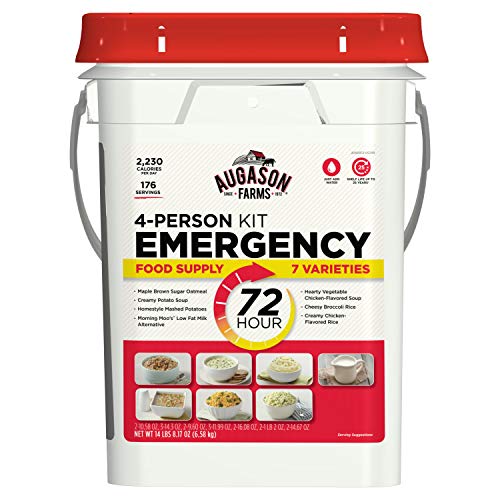
In addition, keep essential survival supplies readily accessible in well-stocked emergency kits, including feed, water, and medical supplies for your animals. It’s also crucial to collaborate with your local fire departments; invite them to familiarize themselves with your barn, its layout, and your evacuation procedures. This partnership can enhance response times during an emergency. By implementing these measures, you establish a robust foundation for safety and preparedness in the face of unexpected events. Consider additional strategies to further enhance the effectiveness of your plan.
Key Takeaways
- Identify and clearly mark primary and secondary exit routes, ensuring they are accessible and unobstructed for both personnel and animals, as quick escape is vital in survival situations.
- Develop an evacuation order that considers animal behavior and care needs during emergencies, ensuring all creatures are accounted for in your survival plan.
- Conduct regular training sessions and drills to familiarize staff with their roles and evacuation procedures, reinforcing the importance of preparedness in a survival mindset.
- Assemble and maintain a comprehensive emergency kit with supplies for both animals and humans, including food, water, medical supplies, and other essentials to enhance your survival readiness.
- Collaborate with local fire departments to share your evacuation plan and conduct joint drills for effective emergency response, strengthening community resilience in the face of potential disasters.
Assessing Your Barn Layout and Exits
When assessing your barn layout and exits for optimal survival preparedness, it’s crucial to identify all primary and secondary exit doors to establish clear evacuation routes for both animals and people during emergencies.
Ensure that exit doors can be opened swiftly from both inside and outside, avoiding locks that could obstruct immediate access.
Examine the barn layout for any obstacles in aisleways that may hinder evacuation efforts.
Implement glow-in-the-dark signage to clearly mark exit routes, ensuring visibility during low-light or smoke-filled conditions.
Regularly practice evacuation routes with staff and animals to enhance familiarization, ensuring that everyone knows how to reach emergency access quickly and safely.
This proactive approach not only supports survival during emergencies but also strengthens overall preparedness for any unforeseen situations.
Developing an Effective Evacuation Strategy
Having established clear exit routes, the next step is to develop an effective evacuation strategy that prioritizes safety and efficiency in emergency situations. Identify primary and secondary exit routes, ensuring they are clearly marked for quick evacuations. Create an evacuation order based on animal behavior, focusing on those that require more care and attention. Regular trial evacuations are essential to refine your plan and ensure readiness. Keep halters and lead ropes easily accessible near stalls, and provide comprehensive training for staff in all procedures. Designate safe holding areas to minimize stress during transitions.
| Key Elements | Purpose |
|---|---|
| Exit Routes | Facilitate quick evacuations in emergencies |
| Trained Staff | Ensure safe handling during crises |
| Safe Holding Areas | Reduce animal stress during evacuations |
Training Personnel and Practicing Drills
To ensure your barn evacuation plan is robust and effective in a survival situation, it’s vital to train all personnel thoroughly and conduct regular drills. Emphasize the following key components:
Thorough training and regular drills are essential for an effective barn evacuation plan in emergencies.
- Organize frequent training sessions focused on individual roles and responsibilities during an emergency.
- Schedule practice drills at least twice a year, simulating various emergency scenarios to prepare for unexpected events.
- Utilize visual aids, such as diagrams of exit routes and safe zones, to enhance understanding and retention of information.
- Collaborate with local fire department personnel or survival experts to gain insights into animal handling and emergency response.
After each drill, conduct a thorough evaluation and debrief to pinpoint areas for improvement in your evacuation plan and safety protocols.
Ongoing training ensures that everyone is well-prepared and knows how to respond effectively in critical situations.
Preparing Emergency Kits and Resources
Creating an effective evacuation plan is crucial for survivalists and preppers, and a key component of that plan is preparing emergency kits and resources for both horses and humans. Assemble a comprehensive survival kit that includes a horse first aid kit, human first aid supplies, non-perishable food, water, and essential medications to last at least three days. Keep spare halters and lead ropes easily accessible, and store emergency contact information in a waterproof container to ensure it remains intact during crises. Designate a secure holding area for evacuated horses to minimize stress and confusion. Regularly update your kits to maintain readiness for any disaster scenarios, ensuring you’re always prepared.
| Item | Purpose | Frequency of Check |
|---|---|---|
| Horse First Aid Kit | Treat injuries | Monthly |
| Emergency Contact Information | Quick access during crisis | Every 6 months |
| Spare Halters and Lead Ropes | Facilitate evacuation | Monthly |
| Food and Water Supplies | Sustain during evacuation | Every 3 months |
Collaborating With Local Fire Departments
How can you ensure the safety of your horses and barn during an emergency? Collaborating with your local fire department is crucial for effective preparedness. Start by scheduling meetings to familiarize them with your barn layout and emergency protocols. Provide a detailed sketch, highlighting fuel sources, stall diagrams, and potential hazards.
Consider these actions:
- Educate fire department personnel on how to safely halter and lead horses, ensuring they’re equipped to handle animals in crisis situations.
- Share your comprehensive evacuation plan with local fire officials, detailing escape routes and safe areas for horses and personnel.
- Conduct joint fire drills with firefighters to practice the evacuation process, allowing both your team and theirs to understand roles and responsibilities in an emergency.
- Maintain ongoing communication to strengthen your emergency response efforts, ensuring that everyone is prepared and informed.