You can effectively cook without power using various survival techniques. Consider utilizing a solar cooker to harness the energy of the sun, or a rocket stove, which is designed to use minimal fuel sources efficiently. Open fire cooking provides great versatility for grilling or boiling, while portable stoves, such as camp chefs powered by butane, are excellent for on-the-go preparation. Always prioritize safety—ensure proper ventilation and have a carbon monoxide detector available. With these methods in your survival toolkit, you’re well-prepared for any power outage, and there’s even more knowledge to expand upon!
Key Takeaways
- Harness the power of the sun by utilizing solar cookers on clear days, allowing you to cook without relying on traditional fuel sources.
- Employ a rocket stove for highly efficient cooking with minimal wood fuel; it’s portable, quick, and perfect for survival situations.
- Master open fire cooking techniques for versatile meal preparation, using a variety of natural fuel sources in an outdoor setting.
- Explore portable cooking solutions like camp stoves that run on butane canisters, ideal for emergency preparedness.
- Prioritize safety by ensuring proper ventilation, installing carbon monoxide detectors, and keeping a fire extinguisher readily accessible for peace of mind during cooking.
Effective Cooking Methods for Power Outages
When the power goes out, cooking can seem daunting, but there are several survivalist methods to prepare meals without electricity.
A solar cooker is an excellent eco-friendly option that harnesses sunlight, reaching temperatures up to 225°F, making it ideal for cooking on sunny days.
For those who prefer a more primitive approach, a rocket stove is an efficient choice that uses minimal fuel, such as small wood pieces, and can be constructed from readily available materials.
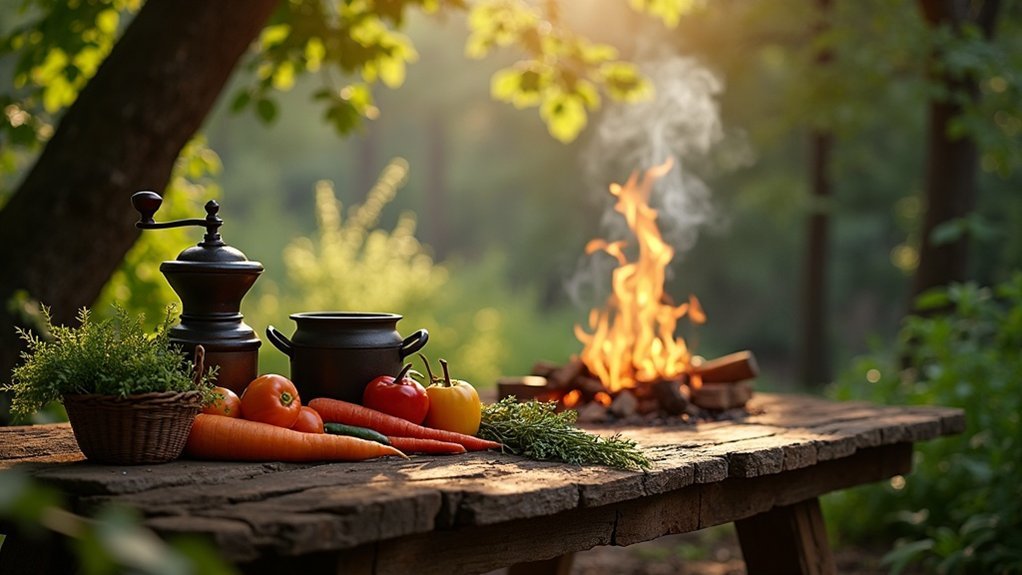
If versatility is key, open fire cooking provides the ability to grill and boil, making it suitable for various meal preparations.
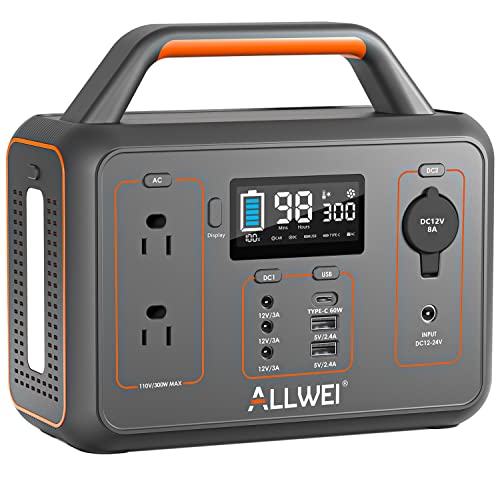
Additionally, portable options like the Camp Chef stove, which operates quietly on butane canisters, are perfect for outdoor cooking adventures and emergency situations, ensuring you stay nourished even when the power grid fails.
Essential Food Storage Tips
To ensure you’re ready for any power outage or disaster scenario, it’s essential to have a robust food storage strategy in place. Stock up on non-perishable items such as canned goods, dried beans, and instant meals to provide reliable sustenance when you need it most. Utilize airtight containers for your dry goods to maintain freshness and protect them from pests. Implement a rotation system for your supplies, prioritizing the consumption of older items first to minimize waste. Additionally, ensure you have an adequate supply of water for both cooking and drinking during emergencies. Preserve seasonal produce through canning or freezing methods to guarantee that nutritious options are always on hand.
| Item Type | Storage Method | Shelf Life |
|---|---|---|
| Canned Food | Cool, dark place | 1-5 years |
| Dried Beans | Airtight container | 1-2 years |
| Instant Foods | Dry area | Varies |
Cooking Safely Without Electricity
Even the best food storage plan can fall flat without a reliable way to prepare those provisions during a power outage. For survivalists, utilizing portable cooking methods like a camp stove or rocket stove is essential for safely cooking without electricity.
Always ensure proper ventilation; functional carbon monoxide detectors are a must, and keep a fire extinguisher on hand for emergencies.
Ensure proper ventilation, have carbon monoxide detectors in place, and keep a fire extinguisher ready for emergencies.
To maintain food safety and prevent the growth of harmful organisms, only cook what you need for one meal, avoiding leftovers that could compromise your health.
Regularly practicing these off-grid cooking techniques will ensure you’re prepared to whip up a meal safely and effectively when the lights go out, keeping you and your family nourished and ready for anything.
No-Cook Meal Ideas
What do you do when the power’s out and you’re hungry? In a survival situation, having no-cook meal options can be essential for maintaining energy and nutrition with minimal resources.
Here are three practical ideas to keep you fueled:
- Peanut butter sandwiches: A staple in any prepper’s pantry, they provide a quick source of protein and energy. Perfect for those moments when you need sustenance fast without any cooking involved.
- Canned meats or fish: These are excellent survival foods that can be easily paired with crackers or eaten straight from the can. They offer a nutritious, high-protein snack that’s convenient and requires no preparation.
- Fresh fruits: Stock up on sturdy options like apples or bananas, which are great for hydration and vitamins. Unopened cans of fruit also make for a sweet treat that can be enjoyed without cooking, ensuring you stay nourished during any power outage.
These no-cook meal ideas are vital for any preparedness plan, allowing you to stay sustained and energized when conventional cooking methods are unavailable.
Practicing Off-Grid Cooking Techniques
While the idea of cooking without electricity may seem daunting, mastering off-grid cooking techniques is essential for survival during emergencies or disasters. Familiarize yourself with methods such as solar cooking, rocket stoves, and open flames, which allow you to utilize minimal fuel and a variety of resources. It’s advisable to practice these techniques during warmer months to build your confidence and skills.
Here’s a quick overview:
| Cooking Method | Fuel Source |
|---|---|
| Solar Cooking | Sunlight |
| Rocket Stove | Wood |
| Open Fire | Propane/Wood |
| Camp Stove | Propane |
Consider participating in community cookouts to exchange recipes, safety tips, and enhance your preparedness skills!