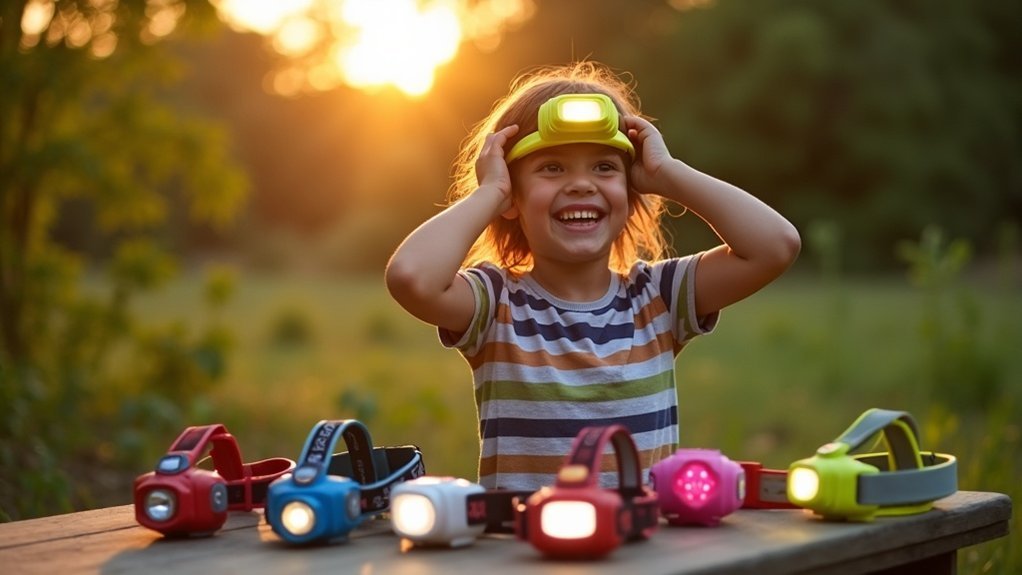
When choosing headlamps for kids in the context of survivalism and prepping, prioritize lightweight designs for comfort, as well as adjustable brightness to protect their eyes during extended use. Look for models with strong battery life and rechargeability to ensure they are always ready during emergencies, promoting eco-friendliness and reliability. Features like flood light capability and red light modes enhance versatility and preserve night vision, which can be crucial in low-light situations. Select age-appropriate options, ensuring safety with trusted brands known for their durability and performance in rugged environments. By considering these factors, you can equip your child with the perfect headlamp for their outdoor adventures and preparedness training. Keep exploring for more tips on headlamps and their benefits in survival scenarios!
Key Takeaways
- Select lightweight headlamps (1-3 ounces) to ensure comfort during extended outdoor activities, preventing fatigue during long survival adventures.
- Look for adjustable brightness settings between 30-200 lumens to protect sensitive eyes while providing versatility for different situations, reducing the risk of eye strain.
- Choose models with rechargeable batteries for convenience and environmental sustainability, while ensuring they offer a minimum of 10 hours of battery life for extended use during emergencies.
- Opt for trusted brands that include safety features like glow-in-the-dark housing and colored filters to improve night vision, which can be crucial during survival scenarios.
- Consider additional features such as flood light capability for close tasks and a user-friendly interface, making it easier for kids to operate during critical moments.
Importance of Headlamps for Kids
When preparing for outdoor adventures with your kids, selecting the right gear is essential, and that’s where headlamps become invaluable.
These lightweight headlamps offer hands-free illumination, allowing your kids to explore, read, or camp without the hassle of holding a flashlight. In terms of survival and safety, especially during nighttime activities, headlamps help minimize tripping hazards and enhance visibility in low-light conditions.
Aim for headlamps with brightness levels between 30-200 lumens to safeguard their sensitive eyes while ensuring adequate lighting for their tasks. Many models come equipped with rechargeable batteries, making them both convenient and environmentally friendly.
Additionally, features like colored filters and red light modes provide versatility, improving night vision for various survival activities and ensuring your family’s preparedness in the great outdoors.
Key Features to Consider
Selecting the right headlamp for your kids is crucial for prepping and survival situations, as it enhances safety and usability during outdoor activities.
Choosing the ideal headlamp for kids is essential for safety and effectiveness during outdoor adventures.
Focus on lightweight headlamps, ideally weighing between 1 to 3 ounces, to ensure they can be worn comfortably for extended periods. A flood light is particularly beneficial, providing a wider beam that’s useful for close tasks like reading maps or performing repairs.
Opt for headlamps with rechargeable batteries that offer a battery life of at least 10 hours; this minimizes the need for frequent battery changes during long outings. Adjustable brightness settings are also essential, as they help prevent eye strain while providing versatility for different scenarios.
Lastly, choose trusted brands that prioritize safety features specifically designed for children’s use, ensuring peace of mind in emergency situations.
Recommended Headlamps for Different Ages
When selecting a headlamp for your child, it’s crucial to consider age-appropriate features and safety, especially in the context of survivalism and prepping.
For younger kids, the Black Diamond Wiz Headlamp is a great choice; it’s lightweight and incorporates fun safety features, making it ideal for outdoor exploration.
As they mature and their skills develop, models like the Nitecore UT27 provide advanced functionality while still prioritizing safety, ensuring they’re prepared for any situation that may arise in their outdoor adventures.
Age-Appropriate Features
Choosing the right headlamp for your child can significantly enhance their safety and enjoyment during outdoor adventures, especially in survival scenarios. Here’s a quick guide to age-appropriate features that cater to preparedness:
| Age Group | Recommended Headlamp | Key Features |
|---|---|---|
| Toddlers | Black Diamond Wiz | 30 lumens for visibility, fun design, auto shut-off for safety |
| Older Kids | Manker E03H II | Lightweight, multiple brightness settings for various situations |
| Teens | Nitecore UT27 | Versatile with spot/flood beam options for different tasks |
| Adventurous Kids | Wuben H5 | Battery indicator, multifunctional design for extended use |
When selecting headlamps for kids, prioritize models that offer adjustable brightness and a lightweight design to ensure comfort during extended outdoor activities. These features not only enhance the experience but also prepare them for unforeseen circumstances.
Safety Considerations for Kids
When selecting a headlamp for your child, it’s essential to prioritize safety for all their outdoor adventures.
Look for key safety features such as adjustable brightness levels to protect their eyes from excessively bright LEDs. For younger children, lightweight models like the Manker E03H II are perfect for comfort and ease of use.
For older kids, the Nitecore UT27 is a great option, featuring a glow-in-the-dark battery housing for easy visibility in low-light situations. Opt for rechargeable models like the Wuben H5 to promote eco-friendliness and sustainability.
Additionally, ensure the headlamp has durable construction and a high water resistance rating, such as the Black Diamond Spot 400-R’s IPX8 rating, to withstand various outdoor conditions.
Safety and Battery Considerations
To ensure your child’s safety during outdoor adventures, it’s essential to focus on the right features when selecting a headlamp for survival scenarios.
Look for safety features that limit brightness to 200-300 lumens to protect young eyes from damage while providing adequate visibility in low-light conditions.
Prioritize headlamps that limit brightness to 200-300 lumens to safeguard young eyes while ensuring visibility in the dark.
Opt for rechargeable NiMH batteries, such as Panasonic Eneloops, as they’re reliable and eco-friendly, helping to reduce waste in emergency situations.
Avoid lithium-ion batteries for toddlers due to safety concerns and steer clear of single-use alkaline batteries, which can be underpowered and contribute to waste.
Choose headlamps with regulated outputs for consistent brightness, ensuring your child remains visible and safe while navigating outdoor environments.
Making sustainable choices enhances your family’s preparedness and contributes to a more responsible approach to survivalism!
Performance Metrics
When selecting a headlamp for your child, understanding performance metrics is crucial for ensuring a safe and enjoyable outdoor experience, especially in survival and prepping scenarios.
Look for brightness levels around 200 lumens, as this is sufficient for various activities, from navigating through the woods to setting up camp.
Consider the run time; many robust models last over 10 hours, allowing for extended use without the need for frequent battery changes—essential in emergency situations.
Beam quality is vital; opt for headlamps that provide consistent light output and effective focus to help illuminate your surroundings in low-light conditions.
Comfort and weight are also important; lighter models help prevent discomfort during prolonged use, which can be critical during long outings or emergencies.
Balancing these factors will help you choose a headlamp that meets your child’s needs while enhancing their outdoor skills and preparedness for any adventure.
Environmental Impact of Batteries
When it comes to choosing headlamps for kids in a survival and prepping context, consider the environmental impact of the batteries you use.
Opting for rechargeable batteries not only extends their lifespan but also reduces the waste generated from single-use batteries that can overwhelm landfills.
Additionally, educating your family on eco-friendly disposal practices is vital for minimizing your ecological footprint, which is crucial in a preparedness mindset.
Being mindful of your resources helps ensure you’re better equipped to navigate challenges while protecting the planet.
Rechargeable Battery Benefits
As you consider headlamps for your kids, choosing rechargeable batteries can greatly contribute to your preparedness efforts while minimizing environmental impact.
Rechargeable NiMH batteries can be reused multiple times, significantly reducing waste compared to single-use alkaline batteries, which can harm the environment. By opting for rechargeable options, you not only save money in the long run but also promote eco-friendly practices that align with survivalist principles.
This shift enhances sustainability during outdoor activities, which is crucial for those who prioritize self-sufficiency. While lithium-ion batteries may offer superior performance, it’s important to supervise their use, especially in a survival scenario.
Ultimately, embracing rechargeable batteries supports a greener future for your family and the planet, while also equipping you with reliable tools for any situation.
Single-use Battery Issues
While single-use batteries may appear convenient for survival situations, their environmental impact is significant and shouldn’t be overlooked. In the U.S. alone, approximately 3 billion alkaline batteries are discarded each year, adding to the growing waste problem.
Here are some important considerations for those focused on survivalism and prepping:
- Alkaline batteries can take up to 100 years to decompose, potentially releasing harmful chemicals into the environment, which can be detrimental during a survival scenario.
- The production of these batteries involves resource-intensive mining, leading to habitat destruction, which can impact local ecosystems and wildlife.
- By switching to rechargeable batteries, preppers can’t only minimize waste but also create a more sustainable energy source for their gear, ultimately reducing their carbon footprint and reliance on disposable products during emergencies.
Eco-friendly Disposal Practices
Proper disposal of batteries is crucial for safeguarding our environment, especially considering the dangers linked to improper disposal methods.
Utilizing rechargeable headlamps not only minimizes environmental waste but also enhances sustainability—key principles in survivalism and prepping. Opting for NiMH batteries helps reduce the number of batteries that end up in landfills, which is essential for long-term preparedness.
Always seek out eco-friendly disposal options, such as local recycling programs, to ensure batteries are disposed of correctly. Teaching your kids about using designated recycling bins instills responsible behaviors and survival skills from an early age.
Tips for Choosing the Right Headlamp
When selecting a headlamp for your kids in the context of survivalism and prepping, it’s crucial to prioritize lightweight and user-friendly options to ensure safety and comfort during outdoor excursions.
Here are some tailored tips:
- Opt for lightweight models like the Manker E03H II to ensure they can wear it comfortably for extended periods.
- Choose appropriate brightness levels between 30-200 lumens, such as the Black Diamond Wiz, to safeguard their eyes while providing adequate visibility for various survival tasks.
- Seek out user-friendly features such as a single-button interface and essential safety features, including colored filters for preserving night vision and adjustable brightness settings for different situations.
Additionally, consider the battery options—rechargeable NiMH batteries are an eco-friendly choice for long-term preparedness, while alkaline batteries are cost-effective for occasional use in emergency situations.