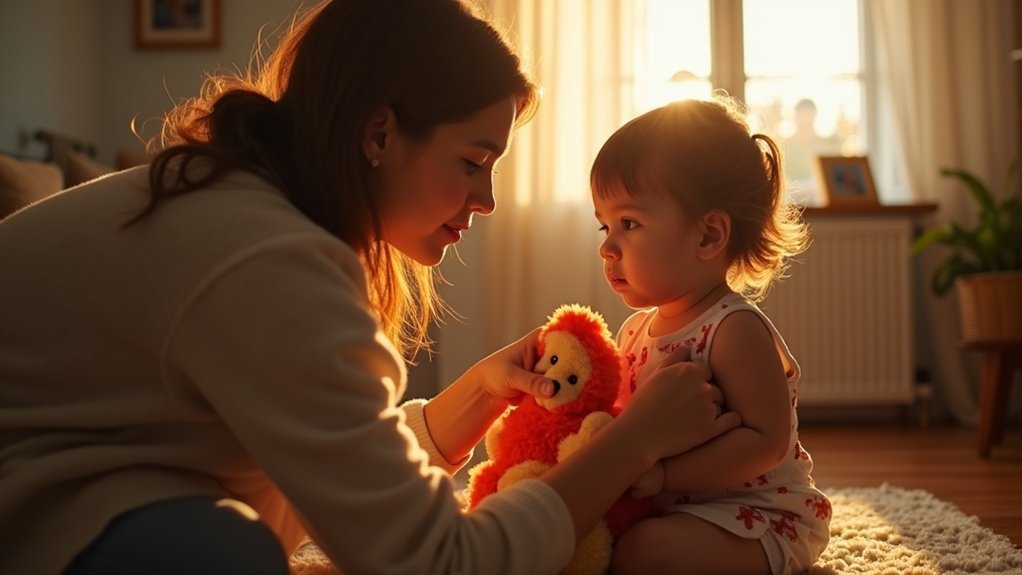
During emergencies, it’s crucial to maintain a calm and collected demeanor. Your steady presence can significantly reassure your child, helping them feel secure in uncertain situations. Utilize clear, age-appropriate language to explain the situation at hand, and encourage them to voice their questions and concerns. Providing comfort through gentle words and active listening allows them to express their emotions freely.
Additionally, involving your child in creating a family emergency plan can empower them and foster a sense of responsibility. Regularly practicing emergency responses not only prepares them for real situations but also boosts their confidence and resilience. For further tips and strategies tailored to survivalism and prepping, there’s a wealth of resources available to help you navigate these challenges effectively.
Key Takeaways
- Maintain a calm demeanor to foster a reassuring environment for the child during emergencies, emphasizing the importance of staying composed in crisis situations.
- Use age-appropriate language to explain the situation clearly, minimizing confusion and alleviating anxiety while ensuring they understand the basics of survival and safety.
- Encourage children to express their feelings by listening actively and validating their emotions, reinforcing the idea that it’s okay to feel scared or uncertain.
- Involve children in emergency planning, empowering them with essential survival skills and knowledge to build their confidence in handling crisis situations.
- Engage in creative outlets, like drawing or storytelling, to help children process their emotions and reduce stress, while also incorporating survival themes to make it educational.
Understanding Children’s Reactions to Emergencies
Understanding how children react during emergencies is crucial for ensuring their survival and well-being. In high-stress situations, children often experience fear, confusion, and anxiety, which may manifest as clinginess, tantrums, or withdrawal.
For younger kids, engaging in play and drawing can serve as a coping mechanism to express their feelings about the trauma they’ve experienced. Older children require reassurance and clear, factual information about the situation to help them process what’s happening.
Younger children benefit from play and drawing, while older kids need reassurance and factual information to process trauma.
Adolescents benefit from open discussions, allowing them to articulate their emotions in a safe environment. After an emergency, if you observe signs of stress such as irritability or sleep disturbances, it’s essential to create a secure and supportive atmosphere for your child.
This not only helps them cope with their feelings but also prepares them for future challenges.
Importance of Maintaining Composure
When faced with an emergency, maintaining your composure isn’t just advantageous for you—it is crucial for your child’s survival. In high-stress situations, children are quick to mirror your emotional responses, so your calm demeanor can instill a sense of security.
Here are three vital reasons to keep your composure:
- Reassurance: A calm presence fosters a stable environment, helping your child feel secure even in chaotic situations. This is essential for maintaining morale during emergencies.
- Focus: Composure enables you to accurately assess the situation and make strategic decisions, ensuring your child receives the appropriate support and guidance needed for survival.
- Communication: Speaking in a soothing tone and giving clear, simple instructions minimizes confusion and alleviates anxiety, empowering your child to respond appropriately in crisis scenarios.
Clear Communication: What to Say and How to Say It
When talking to a child during an emergency situation, use straightforward language that they can easily grasp, and reassure them that they’re safe.
Encourage them to ask questions, giving them the space to express their fears without fear of judgment.
Clear and calm communication is essential, as it helps them feel supported and secure in a potentially frightening scenario.
Age-Appropriate Language
Effective communication during emergencies is super important, especially when talking to kids.
Here are three tips to help you talk to them in a way they can understand:
- Use simple words: Stick to easy words and sentences. Don’t use complicated explanations that could scare them.
- Reassure them: Let them know they’re safe and that there are grown-ups, like police or firefighters, who are there to help.
- Watch your tone: Speak in a calm and gentle voice. How you sound can really affect how they feel.
Encourage Questions and Reassurance
How can you help a child feel more secure during an emergency? Encourage them to ask questions, allowing them to process their fears and regain a sense of control. Use age-appropriate language to provide clear answers, ensuring they aren’t overwhelmed by information. Reassure them about safety plans and the presence of trusted adults, like first responders, who are trained to help in emergencies. Listen actively to their concerns and validate their feelings, making them feel heard and understood. Your calm demeanor will significantly influence how they respond emotionally during such a stressful time.
| What to Say | How to Say It |
|---|---|
| “It’s okay to ask questions.” | Use a calm, soothing tone. |
| “You’re safe with me.” | Emphasize your presence and support. |
| “There are helpers nearby.” | Mention trusted adults who can assist. |
| “It’s normal to feel scared.” | Validate their feelings and emotions. |
In the context of survivalism and prepping, maintaining a secure environment and fostering open communication can empower children to cope with emergencies more effectively.
Encouraging Expression of Feelings
Encouraging children to express their feelings during emergencies is crucial for their emotional resilience and preparedness. Here are three effective strategies to help:
- Create a safe space: Establish an environment where your child can openly share their fears and concerns without the fear of being judged. This fosters trust and strengthens your bond, making them feel secure in expressing themselves.
- Use age-appropriate language: Discuss their feelings and the circumstances surrounding an emergency in a manner that they can easily comprehend. This not only empowers them to articulate their thoughts but also helps them grasp the situation better, making them feel more in control.
- Engage in creative outlets: Encourage your child to express themselves through play, art, or storytelling. These activities serve as valuable tools for processing emotions and understanding their experiences, especially in the context of emergency situations.
When children ask questions, it reinforces their sense of support and validation, which is vital during stressful times.
Helping them navigate their feelings can enhance their ability to cope and prepare for future challenges.
Reassurance and the Role of Trusted Adults
When emergencies strike, your presence as a trusted adult can make all the difference for a child. By actively listening and providing reassurance, you help them feel secure and understood during such stressful times.
Building trust through open communication empowers children, allowing them to express their fears and ask questions they might have. In a survival situation, this support is crucial; it helps children understand the importance of preparedness and resilience, enabling them to face challenges with confidence and a clear mindset.
Teaching them practical skills and survival strategies can further enhance their sense of security and self-reliance.
Importance of Trust
Trust is a crucial foundation for children during emergencies, helping them feel secure in times of uncertainty. When children understand they can depend on trusted adults—such as family members and teachers—their anxiety can significantly decrease.
Here are three strategies to cultivate trust in survival situations:
- Use a calm voice—reassure them they’re safe and supported.
- Encourage open communication—allow them to voice their fears and concerns without judgment.
- Explain the roles of first responders—help them view these individuals as caring allies who are there to assist and protect.
Building trust not only empowers children but also equips them with the resilience needed to navigate challenging situations.
Active Listening Techniques
To help your child feel secure during emergencies, employing active listening techniques is crucial. By dedicating your full attention, maintaining eye contact, and nodding, you validate their emotions. Use calm and reassuring language to let them know they are safe and that there are trusted adults ready to assist. Encourage them to express their thoughts and feelings by asking open-ended questions.
| Active Listening Technique | Purpose | Example |
|---|---|---|
| Full Attention | Demonstrates you care | “I’m here to listen.” |
| Open-Ended Questions | Promotes sharing and understanding | “What are you feeling?” |
| Reassurance | Provides comfort and security | “You’re safe with me.” |
Being fully present fosters trust and helps alleviate anxiety, which is especially important in survival situations.
Checking In: Post-Event Emotional Support
After an emergency, it’s essential to check in on your child’s emotional resilience. Here are some ways to support them in a survivalist context:
- Open Conversations: Encourage your child to share their feelings about the situation. Listening can help them articulate their concerns and fears, fostering a sense of safety as you navigate preparedness together.
- Creative Expression: Suggest activities like drawing or role-playing scenarios to help them process and release emotions related to their experiences. This can reinforce their understanding of survival skills while providing emotional relief.
- Follow-Up: Keep the dialogue ongoing. Children may process their emotions differently over time and may require reassurance and discussion about safety and preparedness weeks after the event.
If recovery seems challenging, consider seeking professional support.
Your attentive care and guidance can significantly aid in their emotional and mental resilience as you both prepare for future uncertainties.
Creating a Family Emergency Plan Together
Creating a family emergency plan together not only empowers your child but also fortifies your family’s preparedness through teamwork and communication. Involve your child in every step, ensuring they grasp the significance of being ready for various situations.
Teach them how to dial emergency services and recognize essential contacts, enhancing their confidence in crisis management. Designate a strategic meeting place for family reunification, so they know exactly where to go if separated during a disaster.
Prepare an emergency kit together, allowing them to select crucial survival items that fit your family’s specific needs. Assign specific roles during emergencies, clarifying expectations and fostering a sense of security.
This hands-on involvement will equip your child with the skills and mindset needed to navigate unexpected challenges effectively.
Practicing Emergency Responses Regularly
Practicing emergency responses regularly is a vital step in reinforcing the preparedness you’ve established with your child in the realm of survivalism and prepping. Engaging in short, engaging drills can significantly enhance your family’s readiness.
Here are three key benefits:
- Familiarity: Consistent practice helps your child grasp what to expect during various emergencies, reducing anxiety and increasing their composure in real situations.
- Teamwork: Involving the entire family in these drills cultivates a sense of shared responsibility, which not only boosts your child’s confidence but also strengthens family bonds in high-stress situations.
- Variety: By rehearsing different scenarios, such as natural disasters, fires, or medical emergencies, you broaden their understanding and adaptability, ensuring they’re well-prepared for whatever challenges may arise.