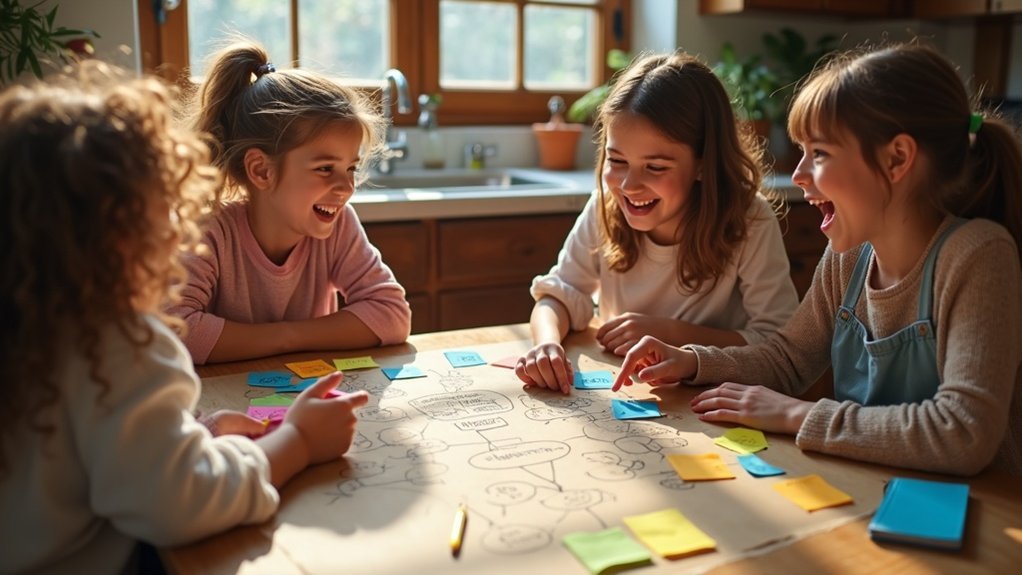
To build a family code word system essential for survival situations, start by involving your kids in choosing memorable words that resonate with your family. Opt for unique and empowering terms that stand out from everyday language, making them easy to remember in high-stress scenarios. Regularly practice using these words through role-play exercises, reinforcing their importance and ensuring everyone knows their meanings and uses. Create a secure environment where your children feel comfortable using these words without fear of judgment. This practice will enhance your family’s communication and trust, crucial for safety in emergencies. If you want to learn more about strengthening safety and connection within your family in a survival context, keep exploring!
Key Takeaways
- Involve all family members in selecting memorable and empowering code words pertinent to survival scenarios, fostering a sense of ownership and commitment to preparedness.
- Regularly practice using code words through role-playing exercises to build confidence and ensure everyone understands their application in emergency situations.
- Establish a supportive atmosphere where children feel secure using code words without fear of judgment or ridicule, promoting open communication about safety.
- Periodically update code words to keep family members engaged and reinforce the significance of using them in diverse survival situations.
- Consider using educational apps to enhance vocabulary related to preparation and survival, creating an enjoyable and interactive way to learn and communicate essential safety concepts.
What Exactly Are Safe Words for Kids?
Safe words for kids in the context of survivalism and prepping serve as essential tools for ensuring their safety during emergencies or unexpected situations. These designated words or phrases act as secret signals that empower your child to communicate their feelings of unease or the need for help without causing alarm.
By using a safe word, children can indicate when they feel threatened, need assistance, or require validation of an adult’s identity, especially in scenarios when they may encounter strangers or unfamiliar situations.
Tailoring these words to specific survival scenarios—such as during a natural disaster, emergency evacuation, or while navigating unfamiliar environments—can significantly enhance their effectiveness. Regular practice and open discussions about the importance of safe words help children become familiar with them, building their confidence and equipping them to advocate for their own safety.
Ultimately, safe words contribute to your child’s overall sense of security and promote proactive communication within your family, ensuring everyone is prepared for any unexpected challenges that may arise.
The Power of Open Communication: Why Safe Words Matter
Safe words empower your family members to express their needs and seek assistance in critical situations.
By establishing these words, you strengthen trust within your preparedness community, creating a secure environment for open communication.
This practice not only boosts your family’s confidence in emergency scenarios but also teaches them to advocate for themselves and each other during times of crisis.
Empowering Children’s Voices
When children feel empowered to express their needs and concerns, it creates a strong foundation of trust and security within the family, especially in a survival or prepping context.
Safe words play a crucial role in this empowerment, enabling kids to communicate their needs discreetly during stressful situations. By involving them in choosing these words, you promote open communication and strengthen their commitment to preparedness protocols.
Teaching children to use safe words helps them navigate uncomfortable situations, whether during drills or real emergencies, without fear of judgment. Regular practice through role-play enhances their confidence and readiness.
Ultimately, this approach boosts emotional literacy, encouraging children to articulate their feelings, set boundaries, and develop resilience and self-advocacy in their lives as they learn to adapt to unexpected challenges.
Strengthening Family Trust
Establishing a family code word can greatly enhance trust and preparedness within your household, allowing everyone to communicate openly about their feelings and experiences in critical situations.
A safe word fosters open communication, giving family members a discreet way to express discomfort or signal the need for help during emergencies. When they know they can rely on a safe word, it reduces anxiety and empowers them to navigate challenging scenarios with confidence.
Practicing the use of safe words reinforces their importance, helping everyone internalize the need to communicate effectively in high-stress situations.
Implementing Safe Words: A Step-by-Step Family Guide
Now that you understand the importance of safe words in survival situations, it’s time to choose effective ones that resonate with your family.
Get everyone involved in selecting memorable phrases that can be easily recalled in high-stress scenarios, as this fosters ownership and commitment to using them.
Once you’ve picked the words, practice their usage regularly to reinforce confidence and ensure everyone feels prepared and comfortable in any emergency situation.
Choosing Effective Safe Words
Choosing effective safe words is essential for establishing a reliable communication system in your family, especially in survival situations. Start by selecting words that are memorable and easy for children to pronounce, ensuring they can recall them under stress. Involve your kids in this process to enhance their commitment and sense of ownership. Here’s a simple table to illustrate effective choices:
| Characteristic | Example Safe Words | Reason |
|---|---|---|
| Memorable | Campfire | Familiar and easy to say |
| Unique | Compass | Not commonly used in daily conversation |
| Empowering | Warrior | Instills a sense of strength and resilience |
This approach ensures that the safe words are effective in protecting children in various emergency scenarios.
Practicing and Reinforcing Usage
Practicing safe words regularly is essential for ensuring your family can effectively use them in emergencies, especially in the context of survivalism and prepping.
Here are three ways to reinforce their usage:
- Engage in role-playing activities that simulate emergency scenarios, allowing your kids to practice using safe words in various situations they might encounter during a crisis.
- Hold regular discussions about the chosen safe words, evaluating their effectiveness and adapting them as needed to keep them relevant to your family’s preparedness plans.
- Create a supportive environment where children feel secure using their safe words, knowing that caregivers will respond promptly and without judgment, fostering trust and open communication.
These practices empower children to communicate discomfort or distress effectively, making them feel secure and confident in using their signals when it matters most in survival situations.
Choosing the Right Safe Word (or Phrase)
Selecting the right safe word or phrase is crucial for ensuring your child’s safety during potentially dangerous situations. Involve your children in choosing a word that’s easy to remember, pronounce, and unique, as this empowers them to communicate effectively when it matters most, especially in high-pressure scenarios. Here’s a quick reference table to guide your selection in a survival context:
| Criteria | Examples |
|---|---|
| Easy to Remember | Compass |
| Unique | Fortress |
| Fun to Say | Adventure |
| Not Commonly Used | Shelter |
| Engaging | Survival Ninja |
Regularly review and change the safe word to maintain its effectiveness and relevance in different situations!
Practicing and Reinforcing Safe Words
Once you’ve established a safe word, the next step is to ensure your family knows how to use it effectively in various situations. Here are three ways to practice and reinforce safe words within the context of survivalism and prepping:
- Role-Play Scenarios: Create realistic, low-pressure scenarios where your family can practice using the safe word during emergency drills or preparedness exercises. This can help everyone understand when and how to use the safe word in high-stress situations.
- Regular Discussions: Engage in regular conversations about safe words and their importance in survival situations. This will keep the concept fresh in everyone’s mind and help them understand its significance without inducing unnecessary anxiety.
- Change It Up: Periodically change the safe word as a family activity during preparedness meetings. This not only enhances engagement but also ensures that everyone feels a sense of ownership and familiarity with the concept.
These practices foster trust and confidence within your family, encouraging open communication, especially when it comes to safety and preparedness.
Beyond Just Words: Creating a Safe Communication Environment
Creating a safe communication environment is essential for fostering trust and openness within your family, especially in the context of survivalism and prepping. This allows everyone—particularly children—to express their needs and discomfort without fear of judgment, which is critical during challenging times.
Establish safety protocols that promote a no-judgment policy when a designated safe word is used, encouraging kids to signal that they need help or feel uneasy. Involve them in choosing code words that resonate with preparedness scenarios, fostering a sense of ownership and responsibility for their safety.
Regularly practice using these words in various survival situations to reinforce their importance. Respond immediately and supportively when your child uses a safe word, strengthening trust and encouraging them to advocate for themselves in any situation.
The Speech Blubs Difference: Empowering Every Voice
Empowering your family to communicate effectively can greatly enhance your survival skills and preparedness. The Speech Blubs app is a fantastic resource to help your child express themselves clearly, which is essential in emergency situations. Here’s how it can make a difference:
- Video Modeling: Engaging visuals enhance speech development, allowing your child to communicate vital information during a crisis.
- Themed Vocabulary Sections: Fun activities build language skills interactively, helping your family learn key survival terms and concepts.
- Screen-Free Interaction: Encourages play while reinforcing communication, which is crucial for teamwork in survival scenarios.
Using Speech Blubs, you can create a secret code to foster better understanding within your family.