To cultivate a resilient garden in 2025, it’s essential to consider heirloom seeds such as the 4800 Survival Seed Vault and the 55 Vegetable Seeds Variety Pack, both featuring non-GMO options.
The Survival Seed Vault provides over 50,000 seeds spanning 50 varieties, ideal for long-term survival and self-sufficiency.
Meanwhile, the Gardeners Basics kit guarantees a high germination rate, crucial for ensuring a reliable food source.
Be sure to assess the climate adaptability and growing instructions for each selection to maximize your garden’s potential.
Continue reading to uncover more about the best vegetable seeds and strategies to help your garden thrive in a prepping context.
Heirloom Seeds for Planting Vegetables and Fruits (4800 Survival Seed Vault)

If you’re seeking a dependable way to enhance your self-sufficiency and food security, the Heirloom Seeds for Planting Vegetables and Fruits (4800 Survival Seed Vault) is an ideal choice for both beginner and experienced survivalists. This collection offers 11 non-GMO, open-pollinated varieties, guaranteeing a consistent supply of high-quality produce. You’ll value the assortment of premium winter vegetable seeds, specifically chosen for their resilience in cold weather and exceptional flavor. Each packet includes easy-to-follow instructions, guiding you through the planting process step-by-step. Moreover, the seeds are sourced and packed in the USA, sealed in moisture-proof pouches for long-lasting freshness. With a quality assurance guarantee, you can cultivate a robust and sustainable garden with confidence.
Best For: This product is best suited for both novice and seasoned survivalists seeking high-quality, non-GMO seeds to grow a diverse range of vegetables and fruits for emergency preparedness.
Pros:
- Features 11 heirloom seed varieties curated for cold weather resilience and superior flavor, essential for sustainable living.
- Each packet includes straightforward growing instructions, making it accessible for all skill levels.
- Seeds are sourced and packed in the USA, ensuring quality and freshness with moisture-proof packaging, vital for long-term storage.
Cons:
- Limited to only 11 varieties, which may not fulfill the needs of those looking for a broader selection of crops.
- Requires suitable gardening conditions and care to achieve optimal growth, which may prove challenging for beginners.
- The emphasis on winter vegetables may not cater to those interested in cultivating summer crops for a varied harvest.
55 Vegetable Seeds Variety Pack – Non-GMO Heirloom Seeds for Home Gardening

For survivalists and preppers aiming to establish a self-sufficient home garden, the Vegetable Seeds Variety Pack is an exceptional investment. Featuring over 35,600 non-GMO heirloom seeds, this collection offers a diverse range of crops, including artichoke, arugula, and broccoli, vital for maintaining a nutritious diet during uncertain times. Each pack includes 55 individual seed packets, all conveniently stored in a waterproof resealable bag to ensure longevity. Additionally, you’ll receive essential mini gardening tools and access to online resources via QR codes, enhancing your prepping efforts. With a germination rate exceeding 90% and adaptability to all USDA Hardiness Zones, you can cultivate food year-round, ensuring you’re well-prepared for any situation. Get ready for abundant growth and a reliable harvest in your survival garden!
Best For: Preppers seeking a robust and varied selection of vegetable seeds to enhance food security.
Pros:
- High germination rate of over 90%, promoting successful crop yields.
- Includes a wide range of seeds suitable for all USDA Hardiness Zones (2-11).
- Comes with mini gardening tools and online resources, perfect for enhancing your self-sufficiency skills.
Cons:
- Some users desire clearer information on expected plant sizes for better planning.
- Seeds require appropriate storage conditions to preserve freshness and viability.
- May not meet the needs of individuals seeking specific vegetable varieties not included in the pack.
Survival Seed Vault: 50 Varieties, 50,000+ Non-GMO Heirloom Seeds

The Survival Seed Vault by B&KM Farms is an essential resource for preppers and survivalists focused on achieving self-sufficiency and long-term food security. With over 50,000 non-GMO heirloom seeds spread across 50 diverse varieties, you can cultivate a resilient garden tailored specifically for your survival needs. Packaged in a robust, weather-proof bucket, these seeds remain viable for over five years when stored correctly, ensuring you have a reliable food source ready when you need it most. Each seed is labeled and individually packed for ease of planting, with clear growing instructions that make it accessible for both beginners and seasoned growers. Priced under $60, this comprehensive kit is a smart investment for emergency preparedness and sustainable living. Take charge of your food independence today!
Best For: The Survival Seed Vault is best for preppers and survivalists seeking self-sufficiency and long-term food security through a variety of heirloom seed options.
Pros:
- High-quality, non-GMO heirloom seeds guarantee true breeding and the ability to save seeds for future planting, critical for self-reliance.
- Durable, weather-proof bucket storage safeguards seeds from moisture and pests, ensuring longevity in your emergency supplies.
- Detailed planting instructions make it accessible for both novice and experienced gardeners, enhancing your survival skills.
Cons:
- Some users have reported issues with seed leakage during storage and shipping, which can impact preparedness plans.
- A few customers expressed dissatisfaction with the specific varieties of seeds received compared to their expectations, which could affect garden diversity.
- While the investment is cost-effective, it may be considered high for casual gardeners who do not prioritize survival gardening.
Gardening Gift for Women – 39 Medicinal Herb Seeds Variety Pack

Looking for the perfect gift that merges practicality and self-sufficiency? The 39 Medicinal Herb Seeds Variety Pack is an excellent choice! This heirloom, non-GMO set features essential herbs like chamomile, echinacea, lavender, and valerian, empowering you to build your own herbal apothecary. Picture brewing calming teas or crafting natural remedies right from your survival garden. Packaged in a durable burlap bag, it’s a thoughtful present for preppers and outdoor enthusiasts alike. With a high germination rate and an easy-growing digital guide, you can cultivate fresh healing herbs both indoors and outdoors throughout the year. Help someone enhance their self-reliance with this essential gardening kit!
Best For: This product is ideal for women, moms, and survivalists who enjoy gardening and seek to cultivate their own herbal remedies for preparedness.
Pros:
- High germination rate of approximately 97%, ensuring successful growth.
- Includes a diverse range of medicinal herbs perfect for teas and natural remedies.
- Comes in a sturdy burlap gift bag, making it a practical and appealing gift for preppers.
Cons:
- May require specific growing conditions that not all gardeners can provide, especially in survival scenarios.
- Some herbs may take longer to grow or require more care than anticipated, which could affect preparedness timelines.
- Not suitable for individuals who prefer ready-made herbal products without the effort of gardening and self-sufficiency.
55 Vegetable Seeds Variety Pack – Non-GMO Heirloom Seeds for Home Gardening
Prepare for self-sufficiency with the 55 Vegetable Seeds Variety Pack, an essential resource for survivalists and preppers looking to establish a resilient and diverse garden. This pack contains over 35,600 Non-GMO heirloom seeds, featuring essential varieties like artichoke, arugula, and broccoli, all priced under $0.70 per variety. Each pack is conveniently housed in a waterproof resealable bag and includes mini gardening tools along with QR codes that provide access to online survival gardening guides. Boasting a germination rate of over 90%, these seeds are well-suited for both indoor and outdoor gardening, ensuring you can grow your own food year-round. Prepare to enjoy bountiful harvests and fresh produce straight from your survival garden!
Best For: Survivalists and preppers aiming to cultivate a diverse range of vegetables with high-quality, Non-GMO heirloom seeds.
Pros:
- Exceptional germination rate of 90%+, promoting successful growth for your survival garden.
- Includes mini gardening tools and online resources to enhance your self-sufficiency efforts.
- Wide selection of seeds suitable for indoor and outdoor gardening across all USDA Hardiness Zones.
Cons:
- Some users recommend clearer information regarding plant sizes for better space planning.
- Limited to vegetable seeds, which may not meet the needs of those seeking a wider variety of plant options.
- Requires proper storage conditions to ensure seed freshness and viability for long-term preparedness.
Gardeners Basics Survival Vegetable Seeds Garden Kit
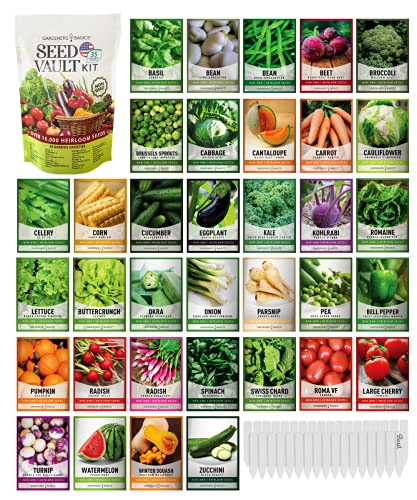
If you’re a prepper looking to ensure your food security, the Gardeners Basics Survival Vegetable Seeds Garden Kit is an outstanding option. Featuring over 16,000 non-GMO and heirloom seeds across 35 easy-to-grow varieties, you can grow essential vegetables like lettuce and tomatoes to sustain your family. Each seed packet is equipped with detailed growing instructions, guiding you through the cultivation process. Packaged to prevent mold, these seeds are ideal for both indoor and outdoor survival gardening. With an impressive germination rate of 80-90%, you can establish a flourishing garden that will help you become more self-sufficient. Plus, Gardeners Basics provides a satisfaction guarantee for your peace of mind.
Best For: Preppers and survivalists who desire a comprehensive and convenient solution for cultivating a variety of vegetables to enhance food security.
Pros:
- High germination rate of 80-90%, ensuring successful growth for most seeds.
- Includes detailed growing and harvesting instructions for all seed varieties, making it suitable for both beginners and seasoned gardeners.
- Packaged in individual seed packets to prevent mold, ensuring optimal seed quality and longevity.
Cons:
- Limited to vegetable varieties, lacking fruit or herb seeds for a more diverse survival garden.
- Requires a suitable growing environment, which may not be accessible to everyone (e.g., indoor or hydroponic setups).
- The kit may be overwhelming for those who prefer a smaller selection of seeds or specific types of vegetables.
10 Pack Vegetable Seeds – Non GMO Heirloom for Home Garden
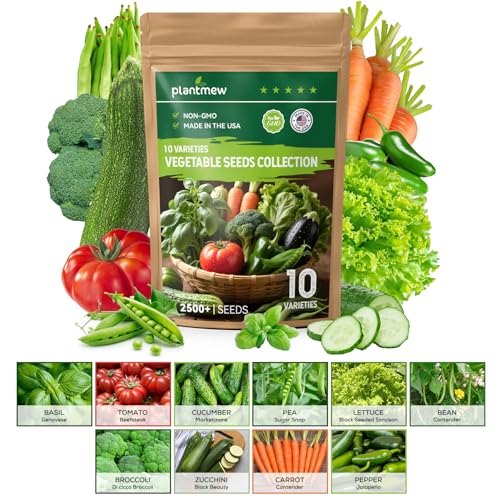
For survivalists and preppers looking to cultivate a sustainable food source, the 10 Pack Vegetable Seeds – Non GMO Heirloom is a strategic addition to your garden arsenal. This comprehensive pack features a range of essential vegetables, from basil to zucchini, with over 2500 high-quality seeds. All seeds are heirloom, non-GMO, and open-pollinated, ensuring you can save seeds for future planting and maintain a resilient food supply. You’ll discover easy-to-grow varieties tailored for any survival garden, complete with detailed planting guides to maximize your harvest. The resealable pouches facilitate long-term storage, making it easy to keep your seeds viable for multiple seasons. With a 4.5-star average rating and positive feedback from fellow preppers, this seed pack is perfect for both experienced homesteaders and those just starting their journey toward self-sufficiency. Grow your survival garden with confidence and enjoy fresh, homegrown vegetables in times of need!
Best For: Preppers and survivalists of all experience levels seeking a diverse selection of high-quality, non-GMO vegetable seeds for sustainable living.
Pros:
- Premium quality heirloom seeds with high germination rates, ensuring a reliable food source.
- A wide variety of vegetables included, catering to essential nutritional needs and diverse culinary preferences.
- Convenient resealable packaging for easy storage and readiness for multiple plantings.
Cons:
- May require specific growing conditions which could be challenging for some gardeners in emergency scenarios.
- Limited to only 10 seed types, which may not satisfy those looking for a broader range of survival crops.
- Some users may experience variable germination success depending on their local climate and soil conditions, impacting food security.
Factors to Consider When Choosing Vegetable Seeds
When selecting vegetable seeds for your survival garden, it’s crucial to consider several important factors. The variety of seeds you choose can greatly impact your self-sufficiency and food security. Understanding germination rates is vital for ensuring a reliable food source, especially in unpredictable conditions. Additionally, deciding between non-GMO and GMO seeds is essential, as non-GMO options can be better for long-term sustainability and seed saving. Where you source your seeds is also critical; look for reputable suppliers who offer seeds suited for your climate and growing conditions. Lastly, ensure you have access to comprehensive growing instructions to maximize your chances of success in cultivating a resilient garden.
Seed Variety Selection
Selecting the right vegetable seeds is crucial for your survival garden, so it’s essential to consider several key factors. First, assess the types of crops that are resilient and thrive in your local climate, particularly within USDA Hardiness Zones 2-11. Heirloom seeds are an excellent choice due to their non-GMO nature and the ability to save seeds for future planting, ensuring that you can maintain desirable traits in your survival garden. Aim for seeds with high germination rates, ideally above 90%, to maximize your food production. Additionally, select varieties that provide diverse flavors, colors, and nutritional benefits to enhance your food supply. Lastly, be aware of the growing season length and planting intervals, as some vegetables may require specific timing to ensure optimal growth and harvest, which is critical for self-sufficiency in a prepping lifestyle.
Germination Rates Importance
Understanding germination rates is crucial for survivalists and preppers who want to maximize their food production capabilities. These rates indicate the percentage of seeds that successfully sprout, serving as a vital measure of seed viability for your self-sustaining garden. High-quality seeds typically boast germination rates of 90% or higher, ensuring your efforts yield a productive harvest when resources may be scarce. However, rates can vary significantly between seed varieties, so it’s essential to select seeds known for their reliability in various conditions. By grasping germination rates, you can better estimate the number of seeds needed for adequate planting density, minimizing waste and ensuring a stable food supply. Choosing seeds with lower germination rates may require planting more seeds, risking insufficient yields and impacting your overall preparedness. Prioritize germination rates to build a resilient and thriving garden in any situation!
Non-GMO vs. GMO
Choosing between non-GMO and GMO vegetable seeds is a critical decision for survivalists and preppers who prioritize self-sufficiency and food security. Non-GMO seeds come from plants that haven’t been genetically modified, preserving their natural heritage and resilience. By opting for non-GMO seeds, you support sustainable farming practices that enhance biodiversity and reduce dependency on chemical inputs, which is essential for long-term survival. Heirloom seeds, often non-GMO, allow for true breeding, enabling you to save seeds and maintain genetic diversity for future planting.
Additionally, studies indicate that non-GMO crops tend to have higher nutritional value and superior flavor compared to GMO varieties, which are often engineered for traits like pest resistance or herbicide tolerance. When preparing for uncertain times, it’s crucial to weigh these benefits carefully, as your choice of seeds can impact not only your garden’s productivity but also your overall preparedness and resilience in the face of challenges.
Sourcing and Packaging
The quality of your vegetable seeds is crucial for the success of your survival garden, making it vital to consider where and how they’re sourced and packaged. Always select seeds from reputable suppliers to enhance germination rates and ensure robust plants that can withstand challenging conditions. Opt for seeds packaged in resealable, moisture-proof pouches; this is essential for maintaining freshness and viability during long-term storage. Ideally, seeds should be stored in mylar packets or durable, weather-resistant containers to safeguard against moisture and pests, thereby extending their shelf life. Additionally, look for clear labeling and comprehensive growing instructions; this can simplify the planting process for everyone, from novice preppers to experienced survivalists. Lastly, prioritize high-quality seeds that have been tested for germination rates, as these are more likely to provide reliable growth when you need it most.
Growing Instructions Availability
How can you ensure a successful survival garden from the start? One of the best strategies is by selecting vegetable seeds that come with clear growing instructions. Many seed packets include step-by-step guidelines, making it easy for both novice and experienced gardeners. Look for high-quality seed varieties that provide detailed care information, such as ideal planting depth, spacing, and sunlight needs, which are crucial for self-sufficiency. Some seed kits even feature QR codes linking to online resources for additional support. Clear labeling helps reduce confusion, offering insights into germination times and expected plant sizes, which is vital in a prepping scenario. Remember, thorough growing instructions can significantly enhance germination rates, with many premium seeds achieving over 90%. Choosing seeds with excellent guidance is a smart strategy for building a resilient and thriving survival garden!
Climate Adaptability
Choosing vegetable seeds with clear growing instructions is crucial for establishing a sustainable garden, especially when considering climate adaptability for survival and prepping. Different vegetable varieties have specific temperature and humidity requirements, so it’s vital to select seeds that thrive in your region’s conditions. For example, crops like broccoli and carrots do well in cooler climates, while heat-tolerant varieties like peppers and tomatoes can struggle in frost-prone areas. Knowing your USDA Hardiness Zone can guide you in selecting the right seeds that will endure local climates and potential extremes.
In a survival situation, understanding soil type and moisture levels is equally important, as some plants require well-drained soil while others thrive in more moisture-retentive environments. Additionally, adhering to seasonal planting schedules is essential to ensure optimal growth and food supply throughout the year. This knowledge not only enhances your gardening success but also strengthens your preparedness for any challenges that may arise.
Storage and Longevity
When preparing for self-sufficiency and survival, the longevity and proper storage of vegetable seeds are crucial to ensure a successful garden. Store your seeds in a cool, dark, and dry environment to extend their viability, often lasting several years. Utilizing airtight, moisture-proof packaging such as Mylar bags or resealable pouches is essential to maintain freshness and prevent deterioration. Most non-GMO, heirloom seeds can achieve a germination rate of 80-90% when stored correctly, providing a reliable food source during challenging times. Remember that seed longevity varies; while some can last over five years, others may only remain viable for two to three years. Regularly inspect your stored seeds for moisture or pest infestations to preserve quality and maximize germination potential, ensuring you’re well-prepared for any situation that may arise.
Organic Certification Considerations
While you might be tempted to choose any vegetable seeds for your survival garden, opting for those with organic certification can greatly enhance your self-sufficiency and the health of your soil. Organic seeds come from plants grown without synthetic pesticides, herbicides, or GMOs, which is crucial for maintaining a sustainable ecosystem in a preparedness setting. They adhere to the USDA’s National Organic Program standards, ensuring strict guidelines on soil health and pest management that can be vital during challenging times. The certification process involves regular inspections, giving you confidence in the seed quality you’re investing in for long-term survival.
Moreover, organic seeds often support biodiversity, featuring heirloom varieties with unique traits and flavors that can be essential in a survival scenario. These seeds may exhibit higher germination rates and better disease resistance, as they’re bred for organic conditions, which ultimately enhances your garden’s productivity. By choosing organic seeds, you not only prepare for self-sufficiency but also contribute to a more resilient and sustainable food source in any situation.