To effectively prepare for lake effect snow bursts, it’s crucial to stay informed about local weather updates and alerts. Ensure you have a stockpile of non-perishable food, clean water, and a comprehensive emergency kit tailored for survival situations. Winterize your home by sealing drafts, insulating windows, and maintaining a reliable heating system to prevent heat loss. Equip your vehicle with essential maintenance checks, snow tires, and a well-stocked emergency kit that includes tools and supplies for survival. Develop a family emergency plan that outlines roles and responsibilities, and conduct regular drills to ensure everyone is prepared. For more insights on robust winter readiness and survival strategies, continue exploring extensive safety tips and prepping techniques.
Key Takeaways
- Regularly monitor the National Weather Service for lake effect snow alerts and hyper-local forecasts to ensure you’re aware of potential weather threats.
- Build a stockpile of non-perishable food, bottled water, and a comprehensive first aid kit to be prepared for emergencies during severe weather events.
- Winterize your home by sealing drafts, installing storm windows, and utilizing thermal curtains to enhance insulation and retain heat effectively.
- Equip your vehicle for winter conditions with snow tires, check the battery and antifreeze levels, and keep a well-maintained winter emergency kit on hand.
- Create a family emergency plan that includes designated meeting points, assigned roles, and regular practice drills to ensure everyone is prepared for a storm situation.
Understanding Lake Effect Snow
Lake effect snow is a crucial phenomenon to understand for survivalists and preppers, as it can create intense winter conditions unexpectedly. This meteorological event occurs when a cold air mass moves over warmer, unfrozen lake water, resulting in localized snow bands that can lead to significant snowfall in a matter of hours.
Understanding lake effect snow is vital for preppers, as it can rapidly create severe winter conditions.
For this effect to take place, a temperature difference of at least 13°F is required, along with strong winds that transport moisture inland. The snowfall rates can be extreme, often exceeding 2-3 inches per hour, which can create hazardous conditions and lead to substantial snowfall variations over short distances.
It’s essential for preppers to be aware of these events, as local geography can amplify the impact of lake effect snow, potentially isolating communities and disrupting supply lines.
To ensure your safety and readiness during winter weather events, it’s vital to prepare your home against the potential for heavy snow and the disruptions it can cause. This includes having a reliable supply of food, water, warmth, and emergency equipment, as well as staying informed through weather alerts issued by the National Weather Service.
Being proactive in your preparations can make a significant difference when facing the challenges winter weather brings.
The Importance of Staying Informed
When preparing for lake effect snow, staying informed is crucial for your survival and readiness. Timely updates can significantly impact your safety and preparedness.
Regularly check the National Weather Service for alerts regarding snowfall intensity and expected accumulation. Since lake effect snow can lead to drastic variations over short distances, hyper-local forecasts are essential for effective prepping.
Utilize weather apps with radar features to monitor snow band movements and intensity, allowing you to make informed decisions. Engaging with local meteorologists through community forums can provide tailored insights, enhancing your ability to respond to sudden snow bursts.
Essential Supplies to Stock Up On
When preparing for lake effect snow, stocking up on essential supplies is crucial for survival. Non-perishable food items and a sufficient supply of water ensure you remain nourished and hydrated during potential shortages.
Furthermore, having a well-stocked first aid kit is imperative, as it equips you to handle any medical emergencies that may occur during severe weather conditions.
Being prepared not only boosts your resilience but also enhances your ability to thrive in challenging circumstances.
Non-perishable Food Items
Preparing for lake effect snow is an essential part of survivalism and prepping, ensuring you have a well-stocked supply of non-perishable food items.
Stock up on vital supplies such as canned vegetables, fruits, and soups that not only provide crucial vitamins during emergencies but also have a long shelf life. It’s important to include a diverse range of protein sources, such as canned beans, tuna, and nut butters, to maintain balanced nutrition when fresh food isn’t available.
Dry goods like rice, pasta, and oatmeal are also critical components of winter storm preparedness, as they’re versatile and filling.
Don’t overlook the importance of snacks like granola bars and trail mix; they help keep energy levels up and provide comfort during stressful situations.
Regularly check expiration dates to ensure your supplies remain fresh and ready for any emergency.
Stay prepared and self-sufficient!
Water and Beverages
Stocking up on non-perishable food items is just one crucial aspect of your winter preparedness plan; ensuring you have a solid supply of water and beverages is equally vital for survival. Aim for at least one gallon of drinking water per person per day for a minimum of three days. Include non-perishable beverages such as bottled water and electrolyte drinks to help maintain hydration and energy levels during power outages. Additionally, don’t overlook the importance of hot beverages like coffee and tea, which can provide comfort and warmth in challenging conditions. Ensure you have plenty of pet-friendly hydration options as well. For long-term preparedness, consider investing in a portable water filtration system to guarantee access to clean drinking water when needed.
| Beverage Type | Quantity Needed |
|---|---|
| Bottled Water | 1 gallon per person/day |
| Hot Beverages | Sufficient supply for comfort |
| Pet-Friendly Water | Adequate supply for your pets |
First Aid Supplies
While winter storms can bring beauty, they also pose significant risks, making it crucial to have a well-equipped first aid kit as part of your survival and prepping strategy.
Stock your kit with essential supplies like adhesive bandages, sterile gauze pads, antiseptic wipes, tweezers, and scissors for treating minor injuries. Include pain relievers and cold and flu medications to alleviate discomfort during illness, ensuring you’re ready for any health challenges you may face.
Don’t forget to add necessary prescription medications for family members, as well as items that can support your overall health in emergencies. A comprehensive first aid manual can guide you through medical emergencies that may arise during a snowstorm.
Regularly check for expired items to ensure your supplies remain effective when you need them most, especially when preparing for lake-effect snow. Being well-prepared can make all the difference in your survival during harsh winter conditions.
Preparing Your Home for Winter Weather
To effectively prepare your home for winter weather, begin by winterizing your windows and doors to minimize heat loss and prevent cold drafts. This step is crucial for maintaining a warm environment during extreme cold.
Ensure you have reliable power backup solutions, as heavy snowfall can lead to outages that may last for days.
Additionally, create a comprehensive emergency supply checklist that includes essentials like non-perishable food, water, medical supplies, and tools.
Being well-prepared will ensure you’re ready for any situation that may arise during severe winter conditions, including lake effect snow events.
Winterizing Windows and Doors
As winter approaches, ensuring that your windows and doors are properly winterized is vital for maintaining a comfortable and energy-efficient home, especially for those practicing survivalism and prepping.
Consider these steps:
- Apply weatherstripping or caulk around frames to seal against drafts, preventing heat loss and conserving resources.
- Install storm windows for added insulation and reduced heat loss, enhancing your shelter’s resilience against harsh conditions.
- Use thermal curtains to block cold air and retain warmth, helping to create a more sustainable living environment.
- Check doors for gaps and utilize door sweeps or thresholds to fortify your home against cold air infiltration.
- Regularly inspect for cracks that can increase energy bills and compromise your preparedness plans.
Taking these steps not only ensures comfort but also enhances your readiness for any winter challenges.
Power Backup Solutions
Winter weather can lead to unforeseen power outages, particularly during intense lake effect snow events. To ensure you can sustain essential appliances and heating systems, it’s crucial to invest in a dependable home generator.
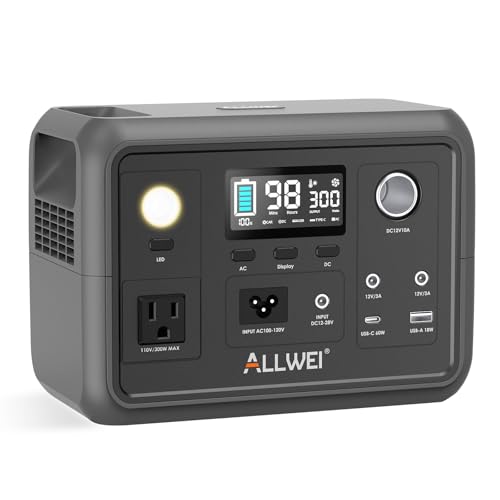
Portable power stations, such as the BLUETTI Elite 100 V2, offer quick charging capabilities and app control, making them a smart choice during winter storms. Additionally, stockpile batteries for communication devices and ensure all electronics are fully charged before a storm hits to remain informed.
It’s also important to keep a reserve of fuel for your generators, as access may become limited during severe weather conditions. Regular maintenance and testing of your backup power systems are essential to ensure they’re functioning properly and ready for use when the need arises.
Embrace a preparedness mindset to navigate winter challenges effectively.
Emergency Supply Checklist
Preparing your home for winter weather is essential for survivalism and prepping. It requires more than just securing a reliable power backup; you need a comprehensive emergency supply checklist to confront potential challenges head-on. Here’s what to include:
- A three-day supply of non-perishable food and bottled water to sustain you and your family.
- A reliable flashlight with extra batteries to illuminate your surroundings during power outages.
- A well-stocked first aid kit, along with essential medications for health emergencies.
- Warm clothing, blankets, and sleeping bags to maintain body heat in case of heating system failures.
- Ice-melting products to ensure safe walkways and reduce the risk of falls.
Additionally, keep a battery-powered radio in your preparedness kit to stay informed about weather conditions and emergency alerts.
Being well-prepared empowers you to navigate unexpected winter storms with confidence and ensures your safety and that of your loved ones.
Vehicle Readiness for Snow Conditions
When snow blankets the roads, ensuring your vehicle is prepared can be crucial for survival in challenging conditions.
Start your vehicle readiness by checking the battery, antifreeze levels, and tire tread depth. Equip your vehicle with snow tires for enhanced traction on snow and ice.
It’s wise to keep a winter emergency kit stocked with essentials such as blankets, non-perishable snacks, a flashlight, and a multi-tool. Maintain at least half a tank of gas to prevent fuel line freeze-up, which can leave you stranded.
Regularly inspect your emergency supplies, ensuring you have items like a shovel, ice scraper, and a tow strap for snow removal and traction assistance when needed.
Being proactive can make all the difference in ensuring you’re well-prepared for winter survival situations.
Developing a Family Emergency Plan
Snowy conditions can severely impact your daily routine and survival, making it crucial to have a robust family emergency plan tailored for such events.
To ensure the safety and preparedness of your household during lake effect snow occurrences, consider implementing the following strategies:
- Develop a comprehensive communication plan that includes designated meeting points and essential contacts, ensuring everyone knows how to reach each other during emergencies.
- Assign specific roles to family members, such as who’ll inventory emergency supplies, who’ll monitor weather updates, and who’ll be responsible for communication.
- Conduct regular drills to practice the plan, ensuring all family members are familiar with their responsibilities and can act swiftly in an emergency.
- Keep a written copy of the emergency plan accessible and visible in your home, so that all household members can refer to it easily.
- Regularly review and update the plan to reflect any changes in contacts, family routines, or emergency situations, ensuring your preparedness is always current.
Preparation is the cornerstone of effective survival during winter challenges.
Preparation is essential for navigating the difficulties of winter, ensuring your family’s safety and resilience.
Stay vigilant and proactive in your approach to family safety.
Building a Reliable Emergency Kit
To ensure your family can withstand the challenges posed by lake effect snow, assembling a dependable emergency kit is crucial for survival. Your kit should contain at least three days’ worth of non-perishable food items, alongside one gallon of water per person per day to maintain hydration. It’s imperative to include a well-stocked first aid kit and any necessary medications for health and safety. Equip yourself with a reliable flashlight, extra batteries, and a battery-operated radio to stay informed about weather updates and emergency alerts. Don’t forget to pack heavy blankets, warm clothing, and sleeping bags to enhance comfort and warmth during harsh conditions. If you have pets, ensure their needs are met by including their food, water, and medications in your kit as well.
| Supplies | Quantity | Purpose |
|---|---|---|
| Non-perishable food | 3 days’ worth | Nutrition |
| Water | 1 gallon/person | Hydration |
| First aid kit | 1 | Medical needs |
| Flashlight | 1 | Emergency lighting |
| Extra batteries | 1 set | Power for flashlight |
| Battery-operated radio | 1 | Information updates |
| Heavy blankets | 2+ | Warmth |
| Warm clothing | As needed | Insulation |
| Sleeping bags | 1 per person | Comfort in cold |
| Pet food | As needed | Pet care |
| Pet water | 1 gallon | Hydration for pets |
| Pet medications | As required | Health maintenance for pets |
Safety Measures During and After the Storm
Being prepared with an emergency kit is essential for tackling the challenges posed by lake effect snow, but knowing how to respond during and after a storm is equally crucial for survivalists and preppers.
Stay vigilant and informed about local weather updates while adhering to these safety measures:
- Conduct regular check-ins on neighbors, especially the elderly or those with health conditions, to ensure their well-being.
- Avoid driving during heavy snowfall; this not only protects you but also minimizes the risk of stranded motorists needing rescue.
- Thoroughly assess your property for potential damage, and document any issues for insurance purposes.
- Proactively clear snow from roofs and driveways to prevent structural collapse and ensure safe access.
- Be aware of hazards like downed power lines; treat all such situations as dangerous and report them to the authorities.
Implementing these strategies not only ensures storm preparedness but also enhances your safety and resilience during and after the storm.
Stay ready and stay safe!