To prepare for ice storms, it’s essential to understand the risks and develop a comprehensive survival plan. Start by assembling a robust emergency kit that includes water, non-perishable food, first-aid supplies, and essential survival gear. Winterize your home by properly insulating windows, sealing drafts, and ensuring your heating systems are functional to withstand prolonged cold. Equip your vehicle with winter tires and a well-stocked emergency kit tailored for winter conditions.
Stay vigilant by monitoring local weather updates and community alerts to stay informed about impending storms. Consider alternative heating methods, such as wood stoves or propane heaters, in case of power outages. Additionally, establish a post-storm cleanup plan, prioritizing safety and caution while removing ice and debris. By taking these proactive steps, you can enhance your resilience against ice storms and ensure your safety and preparedness in challenging winter weather.
Key Takeaways
- Stay informed by regularly checking local weather updates and signing up for community alert systems for instant notifications, ensuring you’re always prepared for changing conditions.
- Assemble a comprehensive emergency kit tailored for ice storms, including non-perishable food, ample water supplies, essential medications, a battery-powered radio, and extra batteries to stay connected during power outages.
- Winterize your home by not only insulating windows but also reinforcing doors, checking insulation, and ensuring all heating systems, including alternative heating sources, are functional before the storm strikes.
- Prepare your vehicle thoroughly with winter tires, a well-stocked emergency kit featuring items like blankets and flares, and ensure your gas tank is full to prevent fuel line freeze-ups.
- Exercise extreme caution during and after the storm to avoid hazards such as fallen branches, downed power lines, and dangerously icy surfaces; consider investing in ice cleats for added traction.
Understand the Risks of Ice Storms
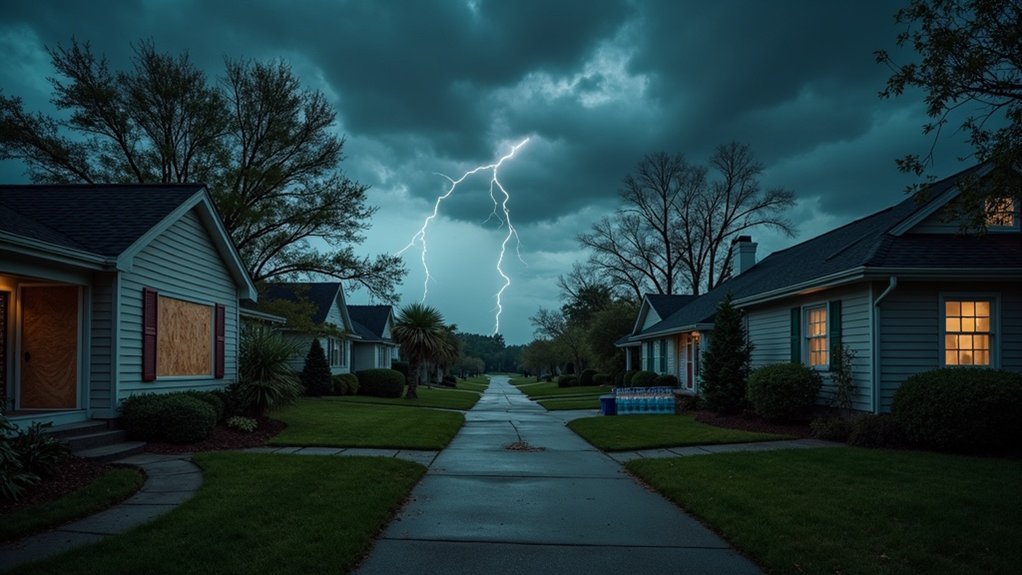
Ice storms pose a significant threat to survival and preparedness, disrupting daily life and creating dangerous situations. When warm, moist air collides with cold air, freezing rain forms, leading to treacherous conditions.
Even a mere quarter inch of ice can result in extensive power outages and severe damage to essential infrastructure. The weight of accumulated ice can bring down trees and branches, creating hazards for both property and personal safety.
To effectively mitigate these risks, it’s crucial to stay informed through local weather updates and forecasts. Before an ice storm strikes, take proactive measures to prepare your home and ensure your survival.
Make certain that your heating sources are operational and gather essential emergency supplies, including food, water, and first aid kits. By being prepared, you can significantly reduce the impact of potential power outages and maintain your safety during an ice storm.
Prepare Your Emergency Kit
Preparing your emergency kit is crucial for successfully navigating an ice storm.
Begin by assembling essential supplies, which should include ample food and water storage, as well as a comprehensive first-aid kit stocked with necessary medications and survival gear.
Organizing these items proactively will ensure you’re well-prepared to face any unforeseen challenges that may occur during severe weather conditions.
Being well-equipped is a cornerstone of effective survivalism and prepping.
Essential Supplies Checklist
An essential step in ensuring your survival during an ice storm is assembling a well-stocked emergency kit. Include at least one gallon of drinking water per person per day for a minimum of three days and enough non-perishable food to sustain you for a week.
Prioritize crucial items such as a comprehensive first-aid kit, flashlights with extra batteries, and warm clothing or blankets to maintain body heat. Stock up on necessary medications and personal hygiene products, and keep a list of prescriptions readily available.
Furthermore, prepare a robust winter roadside emergency kit for your vehicle, equipped with blankets, food, water, a multi-tool, and a flashlight to address potential breakdowns during icy conditions.
Being prepared is vital for self-sufficiency and resilience in the face of challenging weather.
Food and Water Storage
When preparing for the potential threat of an ice storm, ensuring you have a well-stocked food and water supply in your emergency kit is crucial for survival.
Aim to store at least one gallon of drinking water per person, per day, for a minimum of three days to ensure adequate hydration.
Assemble a diverse selection of non-perishable food items, such as canned meats, fruits, vegetables, and ready-to-eat meals, enough to sustain your family for a week without the need for refrigeration.
A manual can opener is a must-have for easily accessing canned goods.
Regularly inspect expiration dates and take into account any specific dietary restrictions to maintain a reliable and suitable supply during an ice storm.
Being prepared is key to thriving in adverse conditions.
First-Aid and Medications
As ice storms can lead to injuries and health complications, having a well-organized first-aid kit and a supply of necessary medications is essential for your survival preparedness.
Here’s what to include in your emergency kit:
- First-aid supplies: Stock up on adhesive bandages, antiseptic wipes, gauze pads, and burn treatments to effectively manage potential injuries in a survival situation.
- Prescribed medications: Ensure you have at least a week’s supply for all household members, including any critical prescriptions that could impact health and survival.
- Over-the-counter medications: Include pain relievers, cold and allergy treatments, and essential supplements to maintain health and comfort during emergencies.
Store your kit in a waterproof container and conduct regular checks to ensure all items are functional.
Replenish any expired supplies to ensure you’re always prepared for unexpected situations.
Prioritize readiness and resilience in the face of severe weather events.
Winterize Your Home
To effectively winterize your home for survival and prepping, start by insulating windows and doors to prevent heat loss and reduce energy costs, ensuring you maintain a warm environment even during extreme cold.
Next, confirm your heating systems are in prime condition and explore alternative heating options, such as wood stoves or propane heaters, to prepare for potential power outages.
Additionally, secure outdoor equipment and supplies, making sure they’re protected against harsh winter conditions, which is crucial for safeguarding your property and investments in a preparedness mindset.
Insulate Windows and Doors
Insulating your windows and doors is crucial for ensuring a comfortable and energy-efficient shelter during ice storms, which is vital for any survivalist or prepper.
Here are three effective strategies to reduce heat loss and enhance your preparedness:
- Weatherstripping: Seal any gaps around windows and doors to prevent cold drafts from entering your living space, maintaining a warmer environment.
- Plastic Film Insulation: Apply this protective film over your windows to create an additional barrier against the cold, significantly reducing heat loss and conserving energy.
- Thermal Curtains: Install thermal curtains to block out frigid air and retain warmth, improving your overall insulation and making your home more resilient against harsh winter conditions.
Prepare Heating Systems
Preparing your heating systems is crucial for ensuring comfort and safety during ice storms, particularly when extreme cold can lead to power outages.
Schedule a thorough inspection by a professional to ensure your heating system operates efficiently, allowing you to identify and address any potential issues before they arise.
Insulate your home effectively by sealing any gaps around windows and doors to minimize heat loss.
Additionally, prepare a reliable alternative heating source, such as a fireplace or wood stove, ensuring it’s clean, in good working order, and well-stocked with dry firewood.
Installing a programmable thermostat can help maintain a consistent indoor temperature, which is vital during extended periods without power.
Keep a fire extinguisher readily accessible and ensure all family members are trained in its use to mitigate fire hazards associated with alternative heating methods.
Being proactive in these preparations can significantly enhance your resilience in the face of severe winter weather.
Secure Outdoor Equipment
As you ensure your heating systems are ready to withstand the challenges posed by ice storms, it’s crucial to secure your outdoor equipment as part of your survival strategy.
When an ice storm hits, taking proactive measures can prevent significant damage and aid your preparedness efforts. Here’s what you should do:
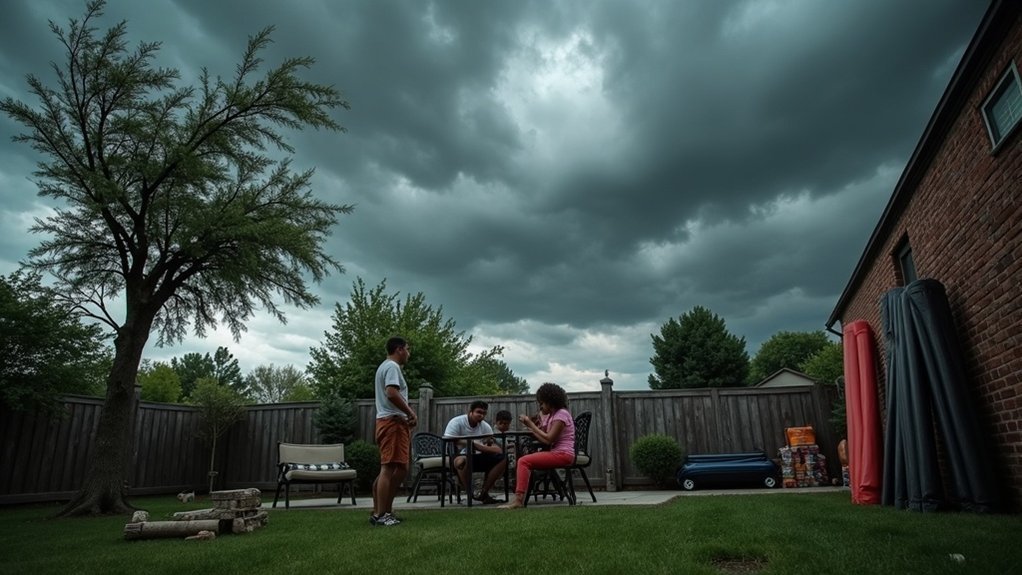
- Cover outdoor items such as barbecues and patio furniture with waterproof tarps to prevent ice accumulation, ensuring they remain functional for future use.
- Bring in or secure loose items, including garden tools and decorations, to prevent them from becoming dangerous projectiles during high winds and to maintain an organized outdoor space.
- Insulate outdoor faucets and pipes with foam covers or towels to prevent freezing, safeguarding your water supply and plumbing system.
Additionally, don’t overlook the importance of preparing your vehicle for the icy conditions ahead, as mobility can be crucial in an emergency situation.
Stay vigilant and ready.
Ensure Your Vehicle Is Ready
When an ice storm is on the horizon, making sure your vehicle is prepared can significantly enhance your safety and mobility. Equip your vehicle with winter tires and check the tread depth to ensure optimal traction in icy conditions. Maintaining a full gas tank is crucial to prevent freeze-ups and to provide warmth in case you become stranded. Always keep an emergency kit in your vehicle, stocked with essentials such as blankets, food, and water. Regularly inspect your windshield wipers and battery, as cold weather can severely impact their performance. Here’s a quick checklist for preparedness:
| Action | Importance |
|---|---|
| Equip winter tires | Enhanced traction |
| Full gas tank | Prevent freeze-ups |
| Emergency kit | Essential for emergencies |
Being proactive with these measures is key to surviving adverse weather conditions and ensuring your vehicle is ready for any scenario.
Stay Informed and Connected
Staying informed during an ice storm is crucial for your survival and preparedness. To effectively monitor weather conditions and stay connected, follow these essential tips:
- Regularly check local weather stations and the NOAA/NWS website for real-time updates on warnings and advisories tailored to survivalist needs.
- Download weather apps designed for preppers that provide timely notifications about icy conditions and storm developments, ensuring you’re always aware of potential hazards.
- Sign up for community alert systems to receive instant updates from local emergency management services, helping you stay ahead of the storm.
Additionally, keep a battery-powered radio handy for updates during power outages.
Stay in touch with neighbors and fellow preppers to share information and ensure everyone’s safety and readiness.
Being informed is a key component of survival.
Plan for Power Outages
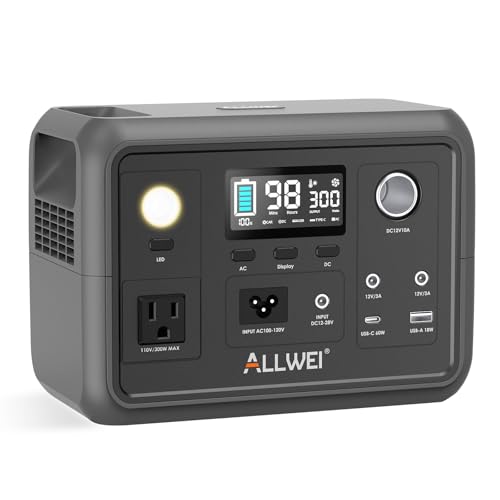
Preparing for power outages during an ice storm is crucial for survival and self-sufficiency, especially since these events can leave you without electricity for extended periods. To enhance your preparedness, stock up on water and non-perishable food for at least a week, ensuring you have enough supplies to sustain yourself and your family. Assemble a comprehensive emergency supplies kit that includes flashlights, extra batteries, and a battery-powered radio for communication and updates. A generator can be an essential asset for backup power; however, ensure it is operated outside in a well-ventilated area to prevent carbon monoxide poisoning.
Additionally, maintain an updated list of important contacts and ensure your phone is fully charged before the storm hits. It’s also vital to plan for heating needs by having alternative heat sources, such as a fireplace or wood stove, ready and stocked with sufficient fuel.
| Supplies Needed | Purpose |
|---|---|
| Water | Essential for drinking and cooking |
| Non-perishable food | Provides sustenance during outages |
| Emergency kit | Ensures safety and grants access to information |
Being proactive in your preparations can make a significant difference in your ability to endure power outages and remain self-reliant during emergencies.
Post-Storm Safety and Recovery
Although ice storms can leave a trail of destruction, understanding how to navigate post-storm conditions is crucial for ensuring your safety and effective recovery.
Navigating post-storm conditions is essential for your safety and effective recovery after ice storms.
Follow these steps for effective post-storm safety and preparedness:
- Exercise caution: Be vigilant when walking or driving on potentially icy surfaces to minimize the risk of slips and falls. Equip yourself with sturdy footwear and consider using traction aids.
- Watch for hazards: Stay alert for fallen branches and downed power lines, which can pose serious risks during cleanup. Always treat downed lines as live and report them to authorities.
- Document damage: If you experience property damage, take photographs and keep receipts for repairs to assist with insurance claims and future preparedness planning.
- Assess your supplies: Check your emergency kit to ensure you have adequate food, water, and medical supplies for any potential prolonged outages.
- Stay informed: Keep updated on recovery resources in your area, including food distribution centers and local shelters, to support your recovery efforts effectively.