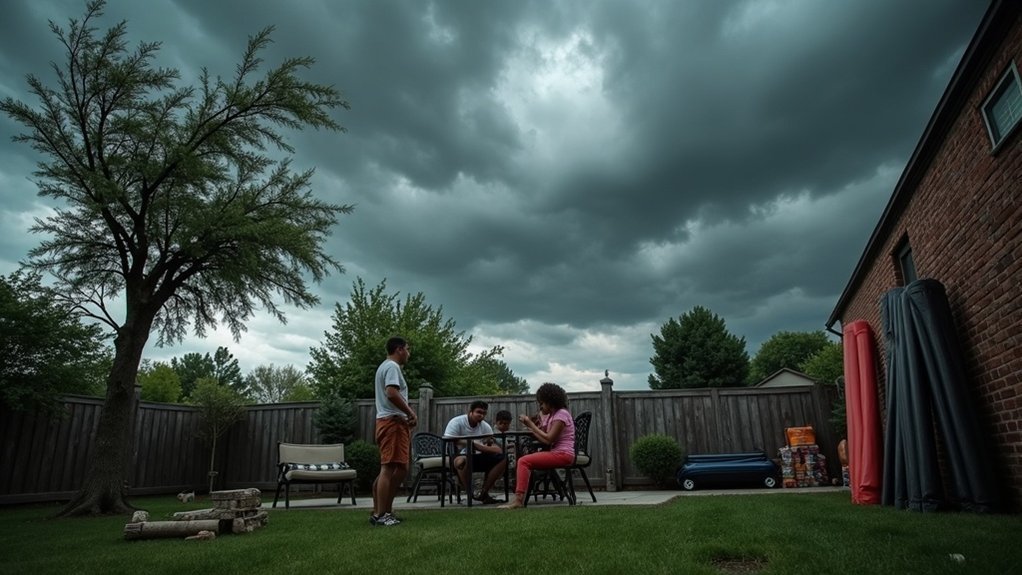
To manage screen use in a survivalist context without relying on strict power dynamics, engage your kids in open conversations about their screen habits and how they relate to preparedness. Ask open-ended questions about how technology can aid in survival scenarios and listen actively to their thoughts, fostering a collaborative approach. Focus on empowering them to reflect and make informed decisions about their usage, particularly in relation to skills that could enhance their preparedness. Set a structured plan that includes screen-free activities, such as outdoor training, learning survival skills, or practicing emergency plans as a family. By addressing screen time in a supportive way, you can strengthen your relationship and promote healthier choices that align with your family’s survival goals. Discover effective strategies that can enhance your family’s communication and balance in technology use while prioritizing preparedness.
Key Takeaways
- Foster open dialogue about screen use, encouraging children to share their perspectives and feelings without imposing strict limits. This can also include discussions around how screens can be useful for survival skills, such as finding information on foraging or emergency preparedness.
- Use reflective questions to help children evaluate their screen habits and identify positive and negative aspects of their usage, particularly in relation to learning about survival techniques and self-sufficiency.
- Establish specific no-screen zones during family activities, such as during outdoor survival training or while working on prepping projects, to promote engagement and connection without the distraction of devices.
- Encourage alternative activities that build survival skills and family teamwork, such as practicing fire-starting techniques, learning to construct a shelter, or working on a community garden, reducing dependence on screens for entertainment.
- Regularly conduct family check-ins to collaboratively adjust screen time rules and ensure they align with family values and goals, particularly in relation to preparedness and self-reliance.
Why Traditional Screen Time Limits Don’t Work
While you might think strict limits on device usage are the solution to managing your child’s screen time, they often backfire, creating tension instead of cooperation. When you impose these limits, it transforms you into an enforcer, adding to your responsibilities and often leading to resistance from your child.
This pushback can disrupt communication and understanding, making it harder to connect. Instead of focusing solely on reducing screen time, consider exploring the reasons behind your child’s use of technology, especially in a world where preparedness and survival skills are crucial.
The Secret to Reducing Screen Time: Motivational Interviewing
Motivational interviewing can be a game-changer in how you discuss screen time with your kids, especially in the context of survivalism and prepping.
By fostering an open dialogue and asking reflective questions, you encourage them to evaluate their screen habits while understanding the importance of preparedness.
This collaborative approach not only builds trust but also helps establish healthier choices that align with your family’s goals of self-sufficiency and resilience.
Encouraging Open Dialogue
How can you foster a more meaningful conversation about screen time with your child in the context of survival skills and prepping? Start by choosing calm moments to discuss their screen use and how it relates to their preparedness for different scenarios.
Approach these conversations with genuine curiosity about what they enjoy online, building trust and connection. Use open-ended questions to encourage them to share their thoughts and feelings about how screen time can be both beneficial and distracting in a survival situation, avoiding defensiveness.
Together, explore both the positives and drawbacks of screen time in the context of developing survival skills, identifying areas for improvement. This collaborative approach not only strengthens your relationship but also promotes open dialogue about the importance of balancing leisure and preparedness, which is essential for fostering a resilient mindset.
Empower your child to reflect and make informed decisions about their habits, considering how their screen time can support their knowledge and skills in emergency situations.
Reflecting on Screen Habits
Building on the conversations you’ve started about screen time, reflecting on these habits can lead to meaningful changes in your family’s approach to survivalism and prepping.
Motivational interviewing helps you and your child explore screen use together, fostering a healthy balance that supports your preparedness goals.
- Choose calm moments for discussions to avoid conflicts, ensuring everyone is receptive.
- Start with curiosity about what skills or knowledge they might enjoy learning through screens, such as survival techniques or outdoor skills.
- Discuss the drawbacks of excessive screen use and explore alternatives, like hands-on activities or family outings that strengthen preparedness skills.
This collaborative approach builds trust, allowing your child to express themselves openly.
A Real-Life Example
While managing the challenges of screen time can seem daunting, one family’s approach offers valuable insights applicable to survivalism and prepping. They began by acknowledging their child’s screen time, sharing observations without confrontation.
By asking open-ended questions about favorite survival shows or games, they encouraged reflection on content related to preparedness. Together, they discussed how excessive screen use could detract from important skills like outdoor survival and self-sufficiency, making it easier to identify drawbacks.
This foundation led to brainstorming alternative activities, such as practicing emergency drills or learning essential skills like first aid, fostering collaboration. By showing genuine interest in their child’s experiences, they built trust and enhanced practical skills, making discussions about screen management and preparedness more effective and engaging for everyone involved.
Stuck on What to Say?
When discussing screen time in the context of survivalism and prepping, consider using open-ended questions to engage your child in a meaningful conversation about the importance of balancing technology with essential survival skills.
Active listening is crucial; pay close attention to their thoughts without making assumptions. This method not only builds trust but also allows both of you to explore the implications of screen use alongside practical survival techniques, fostering a well-rounded understanding of preparedness.
Open-Ended Questions
How can you initiate meaningful discussions about screen time and preparedness with your child? Utilizing open-ended questions can foster a safe environment for dialogue, allowing them to express their views without feeling defensive.
Here are some questions to consider:
- “What do you find most interesting about the survival skills we learn together?”
- “How does spending time on screens compare to hands-on prepping activities?”
- “What other outdoor or survival activities do you think could be just as enjoyable?”
These open-ended questions encourage understanding and collaboration, helping your child reflect on their screen time while you both explore practical skills and alternatives together.
Engage them in a respectful discussion, turning rules into a joint exploration of preparedness and survivalism.
Active Listening Techniques
Engaging your child in discussions about screen time can be approached with survivalism principles in mind, emphasizing preparedness and critical thinking. Show genuine curiosity about their online experiences and acknowledge their feelings to foster open communication about the potential risks and benefits of screen use.
Utilize the “Five Power Questions” to gently uncover their thoughts on screen activities, ensuring they understand the importance of balancing technology with real-world skills without creating defensiveness. Reflective listening, by paraphrasing their words, validates their emotions and encourages deeper conversations about how screen time fits into their overall readiness.
Ask open-ended questions to help them express their perspectives and identify any drawbacks or dangers of excessive screen use. Practicing patience and avoiding interruptions enhances trust, making your conversations about screen time both productive and meaningful in the context of their preparedness for various scenarios.
Kids Travel Activity Kit
To ensure your family’s preparedness during travel, the Kids Travel Activity Kit offers a variety of hands-on activities that promote survival skills and creativity.
This kit helps reduce screen time while enhancing family bonding through interactive experiences that can be useful in any situation. It’s easy to pack in your travel bag, making it a go-to resource for adventurous journeys.
- Survival-themed coloring books to inspire imaginative thinking
- Puzzles that challenge and develop critical problem-solving skills
- Educational games focusing on basic survival tactics and teamwork
With these activities, you’ll create memorable moments while equipping your kids with essential skills, ensuring a fun and enriching travel experience without screens.
4 Steps to NOT Lose Your Cool as a Mom
While managing screen time can feel overwhelming, especially as a parent in a survivalist context, there are practical steps you can take to maintain your calm.
Start by establishing clear rules that link screen usage to responsibilities, promoting accountability in your family’s preparedness activities.
Create no-screen zones during meals or family strategy sessions, encouraging interaction and teamwork.
Practice calm communication by acknowledging your child’s feelings while restating rules, keeping tensions low during discussions about survival skills.
Visual aids like charts can help kids understand daily routines and preparedness tasks, minimizing struggles.
Finally, conduct regular family check-ins to collaboratively review and adjust screen time rules alongside your emergency plans, fostering ownership and mutual understanding in your family’s survival strategy.
Stay proactive, and you’ll navigate both screen time and preparedness more smoothly.
Essential Digital Safety Practices for Modern Families
Managing screen time effectively also means prioritizing digital safety for your family in the context of survivalism and prepping. By taking proactive steps, you can create a safer online environment while using screens. Here are some essential practices to consider:
- Establish strong passwords and enable two-factor authentication on all devices to protect sensitive information related to your prepping activities.
- Regularly review privacy settings on social media to control who sees your information, especially regarding your survival plans and resources.
- Teach your kids not to share personal details online, particularly about your family’s prepping efforts or location.
Encouraging open discussions about online behavior fosters a culture of digital safety awareness, which is crucial for maintaining your family’s security in uncertain times.
Creating a Balanced Daily Routine
Creating a balanced daily routine is essential for children to learn time management skills and reduce their dependence on screens. Start by developing a daily schedule that includes time for academics, outdoor survival skills, chores, and relaxation.
Use visual aids like charts or sticky notes to clearly outline the routine. Encourage kids to track their accomplishments with sticker charts, shifting their focus from lost screen time to earned rewards that promote preparedness, such as learning about foraging or building a shelter.
Offer incentives like extra outdoor adventures or reading sessions on survival techniques for task completion. Involving children in suggesting non-screen activities fosters trust and a sense of ownership, ensuring they’re invested in their balanced daily routine while embracing the principles of survivalism and prepping.