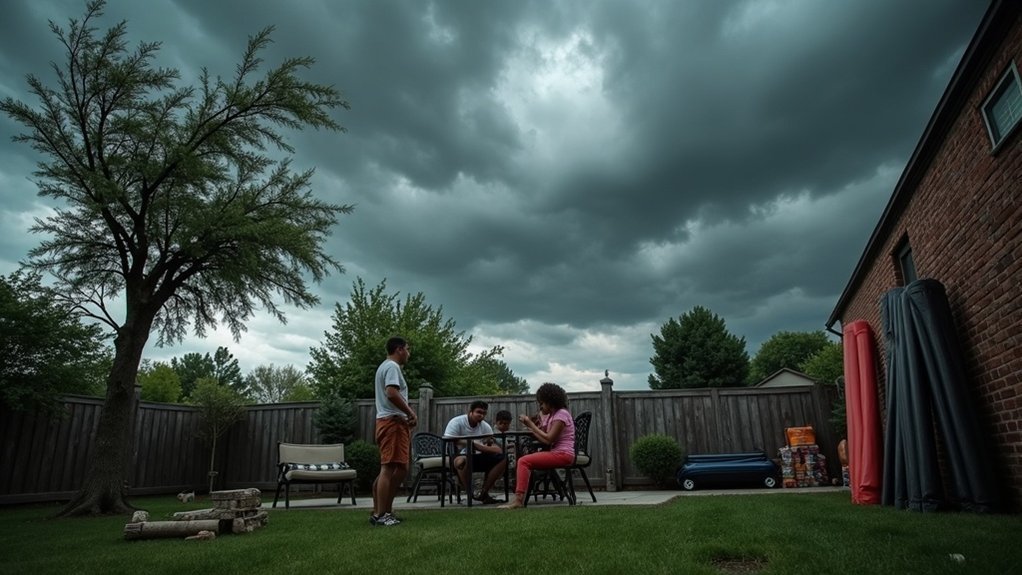
Building boredom kits for kids is a great way to keep them engaged while also introducing them to essential survival skills! Start with essential items like basic first aid supplies, emergency preparedness guides, and fun outdoor activity tools. Then, add creative activities such as simple science experiments related to nature and survival techniques, as well as books on wilderness survival and foraging. Personalize the kits based on their ages and interests to spark curiosity about the great outdoors. Encourage independent play by offering open-ended materials that prompt problem-solving in real-world scenarios. With these tips, your kits will inspire exploration, creativity, and a sense of preparedness. Keep going, and you’ll discover even more ways to foster resilience and resourcefulness in children!
Key Takeaways
- Include survival-oriented craft supplies and engaging games that foster creativity and critical thinking in children, while also teaching them essential survival skills.
- Incorporate brain-teasing puzzles and hands-on activities that promote problem-solving abilities and independence, emphasizing practical applications in survival scenarios.
- Personalize boredom kits based on children’s ages, interests, and hobbies, ensuring that they are not only entertained but also equipped with knowledge relevant to self-sufficiency and preparedness.
- Regularly refresh the contents of the kits to maintain interest and motivation, introducing new survival techniques and strategies to keep children engaged.
- Encourage independent play by providing open-ended materials and limiting adult intervention during boredom, allowing children to explore and practice their survival skills creatively.
Essential Items for Your Boredom Kit
When you’re preparing for unforeseen circumstances and looking to keep boredom at bay during long periods of survival, assembling a boredom kit filled with essential items can make all the difference.
Start with survival-oriented craft supplies like paracord, duct tape, and multi-tools, which can be used for practical projects and repairs.
Begin your boredom kit with essential survival tools like paracord, duct tape, and multi-tools for practical projects and repairs.
Include engaging games and interactive tools like playing cards or a compact chess set, which are perfect for strategic thinking and social interaction.
Adding brain-teasing puzzles and survival manuals can challenge your problem-solving skills while expanding your knowledge of essential survival techniques.
Regularly refresh these items to provide fresh activities and keep morale high in challenging times.
This thoughtful approach guarantees your boredom kit remains a valuable resource for creativity and mental resilience.
Creative Activities to Include
To keep kids engaged and creative during downtime, especially in a survivalist context, it’s essential to include a diverse range of activities in their boredom kits.
Stock your kits with survival-themed craft kits that feature materials for building shelters or creating maps, using colored paper, scissors, glue sticks, and markers to inspire imagination about outdoor skills.
Include engaging books focused on survival skills, nature identification, and bushcraft, catering to various reading levels.
Add brain-teasing puzzles like jigsaw puzzles of outdoor scenes and word searches with survival terminology to enhance critical thinking.
Don’t forget simple science experiment kits that allow kids to explore concepts like water filtration or seed germination, sparking curiosity about the natural world.
Classic board games with survival themes, as well as card games that promote strategy and teamwork, can round out a well-balanced boredom kit while encouraging important life skills.
Engaging Learning Opportunities
While boredom can often feel like a barrier to learning, it actually presents a unique opportunity to introduce engaging survival skills and prepping activities that spark curiosity and creativity in children.
Consider including hands-on survival kits that allow for practical exploration, like building a fire starter or creating a mini bug-out bag. You can also add themed books on wilderness survival and self-reliance to enhance literacy skills while keeping them entertained.
Problem-solving challenges, such as mapping out escape routes or identifying edible plants, engage their critical thinking and preparedness skills. Activity kits for crafting useful tools promote self-sufficiency, while interactive tools like compasses and survival games stimulate mental engagement.
These elements create enriching experiences that nurture a lifelong love for survivalism and preparedness.
Personalization Tips for Different Ages
Survival kits can be tailored to suit individuals of all ages, ensuring that each kit resonates with their specific needs and interests.
For toddlers, keep it simple with soft toys and colorful, tactile items that engage their senses and promote imaginative play.
Preschoolers benefit from interactive elements like basic survival tools (safely designed) and educational games that teach them about nature and safety.
For early elementary kids, consider beginner survival guides and hands-on projects that enhance their understanding of the outdoors and basic preparedness skills.
Finally, for older children, focus on advanced survival gear and challenges that encourage critical thinking and problem-solving in survival situations.
Personalize each kit by including themes that resonate with their hobbies and interests in nature, creating a meaningful and engaging experience.
Strategies for Encouraging Independent Play
Encouraging independent play in children can be a rewarding experience that enhances their creativity and self-reliance, much like the skills needed in survival situations.
Start by creating a “survival kit” filled with open-ended materials like crafting supplies and puzzles that promote imaginative scenarios. Limit the items to inspire resourcefulness and problem-solving, mirroring the necessity of making the most of available resources in a survival context.
When they express boredom, resist the urge to intervene; this unstructured time can encourage them to think critically and creatively, just as one would need to in an unexpected situation.
Occasionally introduce challenges related to the kit’s contents, prompting them to devise their own survival play ideas, such as building a shelter or foraging for “food.”
Finally, allow them to personalize their kits, enhancing their sense of ownership and willingness to engage in independent play activities, much like customizing their gear for a prepping scenario.