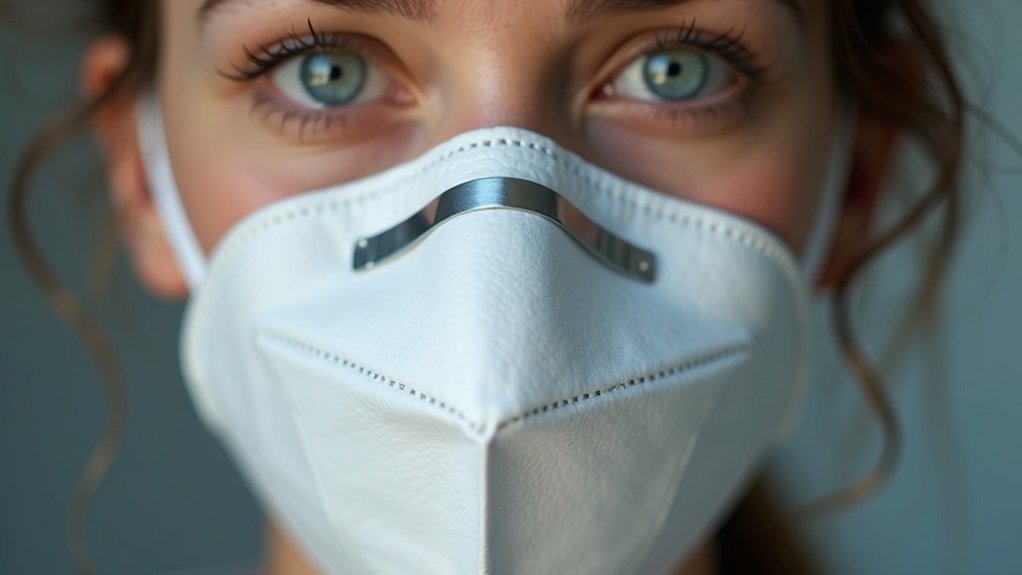
To properly fit check N95 masks for survival and preparedness, begin by positioning the mask under your chin and securing it snugly against your face. Conduct user seal checks using both positive and negative pressure methods to ensure a reliable fit. Be vigilant for any obstructions such as hair or jewelry that might compromise the seal. If the mask isn’t fitting tightly, make necessary adjustments or consider trying a different size. These steps are essential for your safety and protection in any survival scenario, and you’ll uncover additional tips and strategies to ensure an effective fit for optimal preparedness.
Key Takeaways
- Ensure a proper seal by conducting user seal checks using both positive-pressure and negative-pressure methods after donning the mask, as a good fit is crucial for effective protection during emergencies.
- Before applying the mask, check for obstructions like hair or jewelry that may interfere with the mask’s fit, ensuring that nothing compromises your safety in a survival situation.
- Utilize the 3M™ Wear it Right app for qualitative fit testing, documenting results to maintain compliance and readiness for any potential threats.
- If a poor fit is detected during the seal check, adjust straps or try different sizes/models to ensure optimal protection in various environments.
- Keep fit testing records and review them regularly to track mask performance, as maintaining proper equipment is essential for ongoing safety in prepping and survival scenarios.
Importance of Proper Fit for N95 Masks
When it comes to N95 masks, achieving a proper fit is crucial for ensuring your safety against airborne contaminants, especially for survivalists and preppers who may find themselves in unpredictable situations.
The significance of respirator fit can’t be emphasized enough; a poor fit can significantly compromise your respiratory protection in emergencies or during prolonged exposure to hazardous environments.
A proper respirator fit is vital; any compromise can jeopardize your safety in critical situations.
To align with best practices, OSHA mandates fit testing before initial use and annually to ensure that the mask seals effectively.
In survival scenarios, having a reliable seal is paramount. Always perform a seal check each time you put on the mask to verify its fit.
Remember, facial changes can occur over time, and maintaining a clean-shaven face is essential, as any facial hair can disrupt the seal and diminish your protection.
Step-by-Step Donning Instructions
Properly donning an N95 mask is crucial for survivalists and preppers, as it ensures maximum protection in various environments.
Begin by holding the respirator under your chin, forming a cup shape to fit your face. If you’re using the 3M 1860 model, pull the straps over your head, adjusting them for a secure fit.
For the 3M 1870+ model, open the panels fully before positioning the mask on your face. Always check for potential obstructions such as hair or jewelry that could interfere with the seal.
Finally, conduct a user seal check by blocking the exhalation valve and inhaling to confirm a tight fit, ensuring that the respirator is secure and effective for your preparedness needs.
Performing User Seal Checks
Before you put on your N95 mask, performing user seal checks is essential to ensure a proper fit, especially in survival situations where every breath counts.
You’ll want to use positive and negative-pressure methods to confirm there are no leaks, crucial for the respirator’s effectiveness when facing harmful substances in an emergency.
Seal Check Methods
How can you ensure your N95 mask fits securely and provides optimal protection in survival situations?
Start with user seal checks each time you put on the respirator, which is crucial for your safety and compliance with guidelines. For a positive-pressure seal check, block the exhalation valve and breathe out; if pressure builds, you have a proper seal, indicating it’s ready for use in challenging environments.
Conversely, for a negative-pressure seal check, block the inhalation valves and gently inhale, checking for air leaks that could compromise your safety.
Remember, any additional personal protective equipment (PPE) mustn’t interfere with the seal to maintain effectiveness.
If you find a poor fit, readjust or consider trying a different size or model to ensure you’re well-equipped for any situation you may encounter.
Importance of Fit
Ensuring a proper fit for your N95 mask is crucial for effective respiratory protection, especially in survival situations where hazards may be present.
Performing a user seal check is vital to confirm that your respirator maintains a strong seal against your face, preventing leakage around the edges.
Keep the following steps in mind to ensure optimal protection:
- Confirm fit each time you put on the mask to ensure readiness.
- Block exhalation and inhalation valves during checks to assess the seal properly.
- Remove any facial hair or jewelry that might interfere with the mask’s fit.
- Verify compatibility with other personal protective equipment (PPE) you may be using.
- Trust the integrity of the seal, as it plays a key role in protecting your health during emergencies.
In survivalism and prepping, being prepared extends beyond just having the right gear; it’s about ensuring that gear functions effectively when you need it most.
Common Mistakes to Avoid
While it’s easy to overlook the details when fitting an N95 mask, avoiding common mistakes is crucial for ensuring optimal protection during survival situations.
Always conduct a user seal check; neglecting this can lead to inadequate defense against airborne threats. Consider facial hair, as it can interfere with the respirator fit, compromising your safety.
When undergoing fit testing, wear any Personal Protective Equipment (PPE) you’ll use in the field to guarantee accuracy. Don’t skip proper donning and doffing procedures; touching the mask facepiece can introduce contaminants, putting you at risk.
Finally, remember that changes in facial structure, such as weight loss or dental work, require a new fit test to maintain effective respirator performance in any prepping scenario.
Troubleshooting Fit Issues
After avoiding common mistakes during the fit testing process, you may still encounter fit issues that need addressing.
Verify your respirator fits snugly by performing user seal checks every time you wear it. Ensure compatibility with other personal protective equipment (PPE), as items like safety glasses may disrupt the seal.
If the respirator shifts, try adjusting the straps or repositioning it for a proper fit. Keep in mind that facial hair can compromise effectiveness, so maintaining a clean-shaven face is crucial.
Follow the specific donning instructions for your N95 model to achieve optimal performance.
- Misfits can lead to health risks in survival situations.
- Inadequate seals can increase anxiety during emergencies.
- An improper fit can reduce confidence when facing threats.
- Struggling with masks can be frustrating in high-pressure scenarios.
- Confirming your safety gear is properly fitted is empowering and essential for preparedness.
Doffing Instructions for N95 Masks
When it’s time to doff your N95 mask, following the correct procedure is essential to minimize contamination risks, especially in survival situations where hygiene is paramount. Start by lifting the bottom strap from around your neck and pulling it over your head first. This ensures that your hands do not come into contact with the mask’s facepiece. Next, remove the top strap by pulling it over your head without touching the respirator facepiece. Dispose of the used N95 mask according to your survival plan’s infection control guidelines to ensure proper disposal practices are followed. Always adhere to any specific doffing instructions for your particular N95 type to maintain safety protocol.
| Step | Action | Purpose |
|---|---|---|
| 1. Bottom Strap | Lift and pull over head | Minimize contact with the mask |
| 2. Top Strap | Pull over head | Prevent contamination risks |
| 3. Disposal | Follow survival plan policy | Ensure safety and compliance |
Maintaining Your N95 Respirator
Proper doffing of your N95 mask is crucial for ensuring its longevity and effectiveness in survival situations.
To maintain your respirator for optimal use, adhere to the following survivalist guidelines:
- Store it in a secure, dry location, shielded from direct sunlight to prevent degradation.
- Regularly inspect the mask for any signs of damage, including tears or compromised seals, which can jeopardize your safety.
- Conduct a user seal check every time you don the mask to ensure a proper fit, essential for filtration efficiency.
- Follow manufacturer instructions for cleaning and disinfecting, as maintaining hygiene is vital in prepping scenarios.
- Keep a log of your usage; be prepared to replace it after the recommended period to ensure you’re always equipped with reliable gear.
Additional Resources for Fit Testing
To ensure your N95 mask fits correctly, it’s essential to utilize the resources available that guide you through the fit testing process, especially for survival and prepping scenarios.
Start by using the 3M™ Wear it Right app for qualitative fit testing (QLFT) to evaluate the seal of your respirator. Adhere to OSHA regulations by keeping fit test records and using wallet cards for documentation, which is vital for preparedness.
Familiarize yourself with the Rainbow passage to confirm proper fit through various exercises, ensuring you can effectively respond in emergencies. Quick reference guides can assist you in following fit testing protocols efficiently.