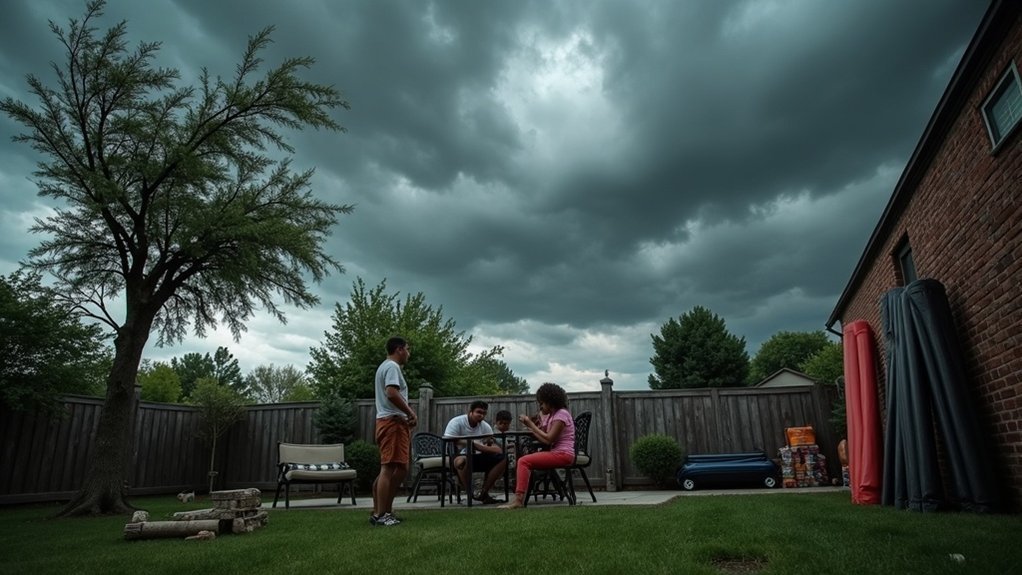
To prepare your child for evacuation in a survivalist context, begin by discussing the critical importance of being prepared for emergencies and creating a solid plan together. Map out multiple escape routes and establish a designated family rally point. Conduct regular practice drills to ensure they are familiar with the procedures for evacuation. Involve your child in assembling an emergency go kit that includes essential supplies and their favorite comfort items. Address any fears they may have by encouraging open conversations about their concerns and the realities of emergencies. By fostering a supportive environment and maintaining strong communication, you can help build their resilience and confidence in handling unforeseen situations. There’s much more to learn about keeping your family safe and prepared for any scenario.
Key Takeaways
- Engage your child in developing and rehearsing a comprehensive evacuation plan to enhance their familiarity with survival protocols and boost their confidence during emergencies.
- Collaborate to create a well-stocked emergency go kit, incorporating essential supplies and comforting items that can provide a sense of security in uncertain situations.
- Discuss potential evacuation scenarios using age-appropriate language, allowing your child to voice their fears or concerns and addressing them constructively.
- Conduct regular drills to ensure your child is well-acquainted with escape routes and designated rally points, reinforcing their understanding of the necessary actions to take during an emergency.
- Foster open communication, encouraging your child to share their feelings and providing reassurance about the family’s preparedness and safety measures in place.
Understanding the Importance of Evacuation
Understanding the importance of evacuation is crucial for survivalists and preppers, especially when emergencies arise. Evacuations are vital during scenarios like wildfires, severe storms, or any other disaster that poses an immediate threat to safety.
Preparing your family, including children, for an evacuation is key to minimizing anxiety and uncertainty during such high-stress situations. Familiarize them with various evacuation routes and designated meeting spots to enhance their sense of security and preparedness.
Involving them in the packing of go kits filled with essential survival items not only empowers them but also instills a sense of responsibility. Regularly discussing potential evacuation scenarios and survival strategies ensures they feel comfortable and capable of handling emergencies effectively.
Creating an Evacuation Plan Together
When you create an evacuation plan together with your child, you’re not just outlining procedures; you’re instilling a survival mindset and fostering their understanding of emergency situations.
Start by establishing a designated family rally point where everyone can gather post-evacuation, ensuring everyone knows the exact location.
Discuss what to include in your emergency kit, such as survival gear, food supplies, water, clothing, medications, and comfort items, so your child understands the significance of these essentials.
Use age-appropriate language to explain potential scenarios, helping them visualize what to expect during a crisis.
Engage in mapping out your home and identifying multiple escape routes together, making the process relatable and reducing any anxiety about leaving belongings behind.
This collaborative effort not only prepares your family for emergencies but also empowers your child with vital survival skills.
Practicing Evacuation Drills
Practicing evacuation drills is crucial for equipping your child with the skills needed to respond effectively in an emergency. Implement regular drills at home to help them become familiar with escape routes and procedures, reinforcing the importance of preparedness.
Utilize a home layout to visually mark exits, making the experience interactive by incorporating games or point systems that promote engagement and retention. Stress the significance of remaining calm during a crisis, as adherence to the plan is vital for the safety of everyone involved.
Additionally, vary the timing and conditions of the drills to simulate real-life scenarios and prepare them for any eventuality. Involve your child in assembling an emergency go kit, allowing them to select comfort items that can provide reassurance and reduce anxiety during an evacuation.
This hands-on approach fosters a sense of ownership and responsibility in their preparedness journey.
Packing an Emergency Go Kit
Packing an emergency go kit is a crucial aspect of survival preparedness for any potential evacuation scenario.
Involve your child in the selection of essential survival items as well as their favorite comfort items, making the process both educational and personal.
Regularly update your kit together to ensure it aligns with your family’s survival needs and keeps your child engaged and knowledgeable about the importance of readiness.
This hands-on approach not only prepares your family for emergencies but also instills valuable survival skills in your child.
Essential Items Checklist
Creating a comprehensive emergency go kit is crucial for any survivalist or prepper. Knowing what to include can significantly enhance your family’s readiness during a crisis. Use this essential items checklist to ensure you’re well-prepared:
| Item | Description |
|---|---|
| Non-perishable food | Energy bars, canned goods, dehydrated meals |
| Water | At least one gallon per person, plus additional for cooking and sanitation |
| Medications | Any necessary prescriptions and first aid supplies |
| Flashlight & batteries | Reliable light source, consider solar or hand-crank options for sustainability |
Additionally, include vital documents such as IDs, medical records, and any important survival plans. Regularly review and update your kit every six months to ensure all items are current and functional. Being prepared is key to survival.
Involving Children in Packing
Involving your children in the process of assembling an emergency go kit not only empowers them but also helps reduce their anxiety about potential evacuations.
Start by letting them choose their favorite survival tools, books, and comfort items to personalize the kit. Discuss the importance of prioritizing essential items, like medications, clothing, and identification.
Together, create a comprehensive checklist that includes non-perishable food, water purification methods, first aid supplies, and necessary items for pets, giving them an active role in preparation.
It’s crucial to regularly review and update your kit with your child to ensure all items remain relevant and effective for any emergency situation.
Regularly Update Your Kit
Maintaining an updated emergency go kit is crucial for effective preparedness in the face of potential disasters. It’s recommended to update your kit every six months to ensure that food, medications, and other essential items aren’t expired.
Involve your child in this process; it helps them grasp the significance of being ready for any evacuation scenario. Include personal comfort items, such as a favorite toy or blanket, to alleviate stress during emergencies.
Create a comprehensive checklist together, focusing on critical items like medications, important documents, and survival gear. Discuss your family’s designated meeting spot so everyone knows where to regroup after an evacuation.
Addressing Fears and Concerns
When preparing your child for evacuation, it’s crucial to acknowledge their emotions and promote open dialogue about their fears related to survival situations.
Allow them to express their concerns in a secure environment, and reassure them often that they’re safe and you have a well-thought-out plan for any scenario.
This ongoing communication can help alleviate their anxiety and instill a sense of security, reinforcing the importance of being prepared together as a family.
Validate Their Emotions
Validating your child’s emotions during an evacuation is crucial for fostering their sense of security in uncertain situations. Acknowledge their fears regarding potential power outages or displacement, and reassure them that it’s completely normal to feel anxious in times of crisis.
- Encourage them to openly express their worries and concerns.
- Remind them that many families experience similar feelings during emergencies, which can help normalize their emotions.
- Use age-appropriate language to explain what they can expect during the evacuation process.
Be attentive to signs of distress, such as clinginess or irritability, and provide consistent support. Repeating comforting messages can help them feel more secure as they navigate this challenging experience.
Your validation not only helps them cope but also lays the groundwork for resilience and a better understanding of emergency situations.
Encourage Open Dialogue
After acknowledging your child’s feelings, it’s essential to foster an open dialogue about their fears and concerns regarding evacuation. Encourage them to share their thoughts by asking open-ended questions that help them articulate their emotions and validate their feelings. Use age-appropriate language to explain the reasons for evacuation and the safety measures in place, ensuring they feel heard and understood. Discuss the evacuation plan, including destinations and what essentials to pack. Here’s a simple table to guide your conversation:
| Question to Ask | Purpose | Example Response |
|---|---|---|
| What worries you most about evacuating? | Identify specific fears | “I’m scared we’ll get lost.” |
| What do you want to know about the evacuation? | Provide information | “Where will we stay?” |
| How can I help you feel safe during this? | Offer support and reassurance | “Can we pack my favorite toy?” |
| What do you think about practicing evacuation drills? | Discuss preparedness | “I want to practice!” |
| Who do you want with you during the evacuation? | Foster a sense of control | “I want to be with dad.” |
This approach not only prepares your child for potential emergencies but also empowers them with knowledge and a sense of control over the situation.
Provide Reassurances Frequently
Although children may not always express it, they often carry deep fears and concerns during uncertain times like evacuations. To help alleviate their anxiety, it’s essential to provide frequent reassurances.
- Repetition helps solidify understanding in younger kids, making them feel more secure about emergency plans.
- Discuss evacuation strategies openly to foster a sense of preparedness and safety.
- Encourage them to share their feelings to create a supportive environment where they feel heard.
Engaging in conversations about what to expect during emergencies can empower them and boost their confidence. Additionally, limit exposure to distressing media so you can focus on direct communication about safety and survival.
This approach not only eases fears but also helps children feel more in control of their situation.
Keeping Communication Open
When preparing for an evacuation, it’s essential to maintain open communication with your child. Encourage them to express their feelings and fears by creating a safe space for dialogue.
Use age-appropriate language to explain the evacuation process, ensuring they understand what to expect in a survival situation. Reassure your child about their safety and the family’s emergency plans, repeating these reassurances as needed.
Limit their exposure to distressing media coverage, discussing events calmly instead. Remember, children often display distress through behavior rather than words, so keeping communication open helps you recognize and address their emotional needs effectively.
Let your child know they’re heard and supported as you navigate these challenging circumstances together.