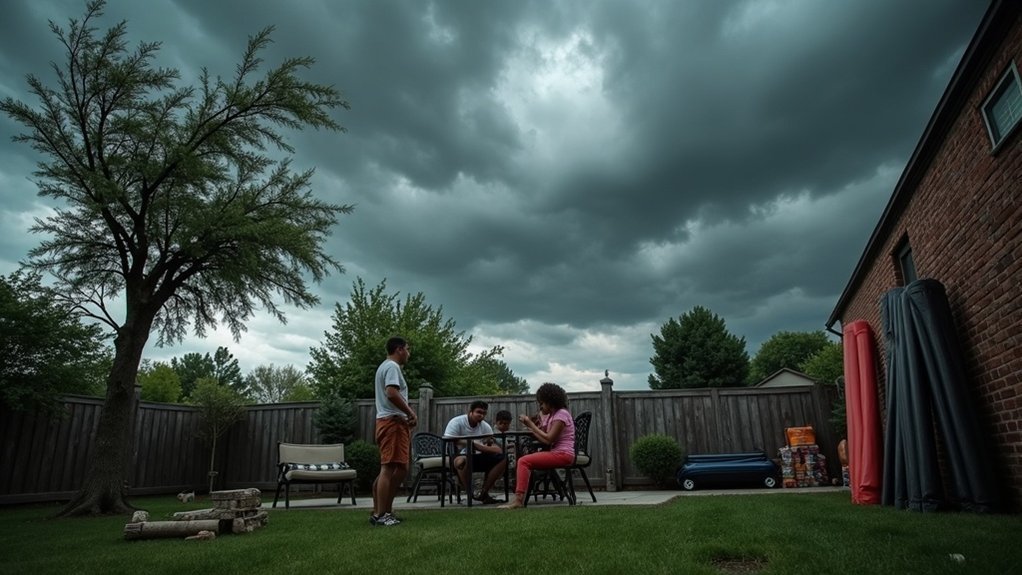
Teaching kids to call for help is a crucial skill for their safety and preparedness in various situations. Start by explaining what constitutes an emergency and when to dial 911, emphasizing the importance of being able to communicate effectively in critical moments. Show them how to use different phones, including landlines and mobile devices, and practice key information they need to memorize, such as their name, address, and any relevant medical information.
Incorporate role-playing scenarios to build their confidence and ensure they can remain calm and composed during a call. Discuss additional safety tips that are essential for survival situations, such as identifying safe locations, recognizing signs of danger, and knowing how to reach trusted adults. By empowering them with this knowledge, you are equipping them with vital skills they may need in emergencies, ultimately fostering a sense of readiness and resilience in the face of challenges. You’ll find more valuable strategies to enhance their preparedness along the way.
Key Takeaways
- Educate kids on how to identify true emergencies, such as fires, severe injuries, or natural disasters, so they know when it’s crucial to call for help.
- Encourage them to memorize essential information, including their full name, home address, and parents’ names, to ensure clear communication in urgent situations.
- Familiarize children with various communication devices, such as landlines, cell phones, and two-way radios, to build confidence in reaching out for help when needed.
- Conduct role-playing exercises for different emergency scenarios, such as a home invasion or getting lost in the wilderness, to help kids remain calm and articulate when speaking to emergency responders.
- Develop and practice a family emergency plan that includes meeting points, communication methods, and survival strategies, enhancing their readiness and awareness in different situations.
Understanding Emergencies
When it comes to emergencies, especially in the context of survivalism and prepping, it’s crucial for kids to understand what truly qualifies as one. Teach younger children that emergencies demand immediate action, such as natural disasters, fires, car accidents, or serious medical issues.
On the other hand, misplacing a toy or needing homework assistance doesn’t constitute an emergency. Instilling this knowledge helps them remain calm and respond appropriately when it matters most. Emphasize that calling for help should always be reserved for real threats, as prank calls can divert resources from genuine emergencies.
Familiarize them with specific situations—like choking, someone being unconscious, or a fire in the home—so they’re prepared to act effectively and decisively in critical moments. This foundation in understanding emergencies is an essential part of being prepared for any situation.
When to Call 911
Knowing when to call 911 is crucial for your child’s safety and the safety of others, especially in emergency situations that may arise during a survival scenario.
Teach them to recognize true emergencies, such as fires, severe injuries, or situations that threaten their safety and well-being.
Emphasize the importance of staying calm during the call to ensure clear communication with emergency responders.
Additionally, stress that joking about calling 911 can divert resources away from those who genuinely need assistance, potentially endangering lives in critical situations.
Defining Emergency Situations
Understanding what constitutes an emergency can empower kids to act decisively in critical survival situations. They need to know that scenarios such as a fire, unconsciousness, difficulty breathing, or choking require an immediate call to 911.
Recognizing a crime in progress, such as a break-in, also necessitates urgent help. Serious car accidents that pose danger to others on the road should prompt a call for assistance.
It’s essential they understand that not every issue qualifies as an emergency; misplaced gear or schoolwork doesn’t require immediate action. Teaching them to clearly communicate their location and situation ensures the right help arrives quickly when they need it most, especially in a survival context.
Calmness During Calls
In the heat of an emergency, staying calm can make all the difference in survival situations. Teach your children the importance of calling 911 when they need help for serious emergencies, such as fires or breathing troubles.
Remind them that 911 operators are trained to assist, even if they feel nervous. Encourage kids to clearly state their location and the nature of the emergency, as this helps first responders arrive quickly and efficiently.
They should also be prepared to provide important details, like their age and any relevant information about the situation.
Finally, emphasize that they mustn’t hang up, as staying on the line allows the operator to offer further assistance and guidance, which can be crucial in a survival scenario.
How to Use Different Phones
Understanding how to use different phones is essential in survival situations, especially when it comes to calling for help.
It’s important to explain the dialing procedures for both landlines and cell phones, emphasizing features like emergency buttons and how to dial emergency services.
Practicing these skills will empower your child to act confidently and effectively in any crisis, ensuring they can communicate for help when needed.
Identifying Phone Types
When emergencies strike, knowing how to use different types of phones can be crucial for survival. It’s important to teach your children the key differences between landlines and cellphones, especially in high-stress situations.
Highlight that landlines typically don’t require a code to dial 911, making them a reliable option in emergencies. In contrast, some cellphones may require access codes or the use of an emergency button to reach help.
Ensure your children are familiar with locating the keypad and making calls independently. Conduct mock scenarios to practice and build their confidence in using these devices during an emergency.
Additionally, educate them about the SOS feature available on modern smartphones, which allows them to call for help quickly, even if the phone is locked.
Understanding the functionality of these phone types is an essential part of preparedness, empowering children to seek help promptly when every second counts.
Dialing Procedures Explained
Knowing how to dial for help can be crucial in an emergency situation. It’s important to teach your kids the dialing procedures for both landlines and cellphones as part of their survival skills.
Explain that landlines can directly dial 911 without needing to access the phone, while many smartphones have an emergency button for quick access, even when locked.
Practice dialing 911 on different devices, demonstrating how to navigate touch screens and keypads effectively. Keep a visual guide near phones that outlines the steps to call for help, ensuring that everyone in your household can quickly reference it during a crisis.
Additionally, emphasize the importance of having a list of emergency contacts that can be accessed swiftly—some phones allow this without unlocking the screen.
Knowing the right phone number to call, along with the steps to access help efficiently, can be vital in emergency preparedness.
Emergency Features Overview
Familiarizing kids with different phone types is a crucial step toward ensuring their safety, especially in emergency situations. Show them how to access emergency features on landlines and cell phones, including the emergency call button on a locked smartphone.
Emphasize the importance of clearly stating “nine-one-one,” to avoid any confusion with “nine-eleven.” Engage in practice sessions using simulation apps to help them gain confidence in dialing without making actual calls.
Keep a visual guide nearby that outlines dialing procedures and important phone numbers related to local emergency services. By understanding these features, your kids will feel empowered to call for help when needed, reinforcing their first aid knowledge and preparing them to act swiftly in emergencies, a vital skill in the realm of survivalism and prepping.
Important Information to Memorize
In the realm of survivalism and prepping, having essential information readily available can significantly impact your child’s safety in emergencies. Ensure that they memorize their full name, home address, and parents’ names, as this data is crucial for first responders. Here’s a concise reference to assist:
| Important Information | Details | Purpose |
|---|---|---|
| Full Name | [Child’s Full Name] | Accurate identification |
| Home Address | [Street Name & Number] | Assists responders in locating quickly |
| Parents’ Names | [Mom & Dad’s Names] | Facilitates effective communication |
Additionally, encouraging your child to identify nearby landmarks and street signs will further empower them to describe their location accurately to emergency services, enhancing their safety in critical situations.
Role-Playing Emergency Scenarios
When faced with an emergency, kids can feel overwhelmed, which is why role-playing different scenarios is an effective way to prepare them for survival situations. By simulating emergencies like fire drills or medical situations, you help your children practice how to call for help and respond appropriately in a safe environment.
Use tools like the Kid’s Practice 911 Dialer to rehearse the process without making actual calls, easing their anxiety and ensuring they understand the importance of communication in a crisis. Encourage them to provide clear information, such as their location and the nature of the emergency, to foster critical thinking and problem-solving skills.
Regularly incorporating role-playing into family preparedness activities builds their confidence and opens discussions about their fears and concerns regarding emergencies, helping to create a more resilient family unit in times of uncertainty.
Communicating With 911 Operators
After practicing emergency scenarios through role-playing, it’s crucial for kids to understand the importance of calling 911 in a survival situation. When they dial, a specially trained operator answers and begins asking questions to gather essential information for effective assistance.
Kids should clearly communicate their needs, such as stating their age, which helps the operator provide appropriate guidance tailored to their situation. Memorizing important personal information, like their home address or location, is key for accurately sharing where they are.
Clear communication is essential; kids should share their age and location to receive the right help during emergencies.
It’s vital to remind them never to hang up, even if they believe it’s a mistake; staying on the line allows the operator to assess the situation and offer the necessary help immediately.
In a prepping mindset, knowing how to communicate effectively with emergency services can be a lifesaving skill.
Staying Calm During a Call
Staying calm during a 911 call can be crucial in ensuring that help is dispatched promptly. Here are three tips to help kids maintain their composure in such situations:
- Take Deep Breaths: Encourage them to breathe deeply and count to three before speaking. This helps manage anxiety and promotes clear thinking.
- Listen Carefully: Remind them to focus on the operator’s questions and instructions. Staying calm allows them to process information more effectively, which is vital in emergencies.
- Share Clearly: Explain that it’s natural to feel nervous, but it’s important to concentrate on providing essential information, such as their location and the nature of the emergency.
Reassure them that operators are trained professionals who are there to assist and will guide them through the process efficiently.
In survival situations, remaining calm can make all the difference in securing the help needed.
Additional Safety Tips
While it’s crucial for kids to know how to call for help, there are additional safety tips that can empower them in emergencies. Here are some vital points to discuss with your young children that align with survivalism and prepping principles:
| Tip | Description |
|---|---|
| Use “nine-one-one” | Teach them to say “nine-one-one” for clarity during emergencies. |
| Visible House Number | Ensure your house number is clearly visible from the street for easy identification by responders. |
| Apartment Info | If living in an apartment, have them memorize the apartment number and floor for quick reference. |
| Emergency Numbers List | Keep a list of important emergency phone numbers near phones, including local authorities and reliable contacts. |
| First-Aid Kit Knowledge | Regularly maintain a well-stocked first-aid kit and teach them basic first-aid skills, emphasizing self-sufficiency. |
| Basic Survival Skills | Teach them essential survival skills, such as finding clean water, basic navigation, and recognizing safe havens. |
| Situational Awareness | Encourage them to always be aware of their surroundings and recognize potential hazards. |
| Emergency Plan | Create an emergency plan that includes meeting points and communication methods in case of separation. |
These steps can help your kids feel more prepared and secure, fostering a mindset of readiness and resilience.