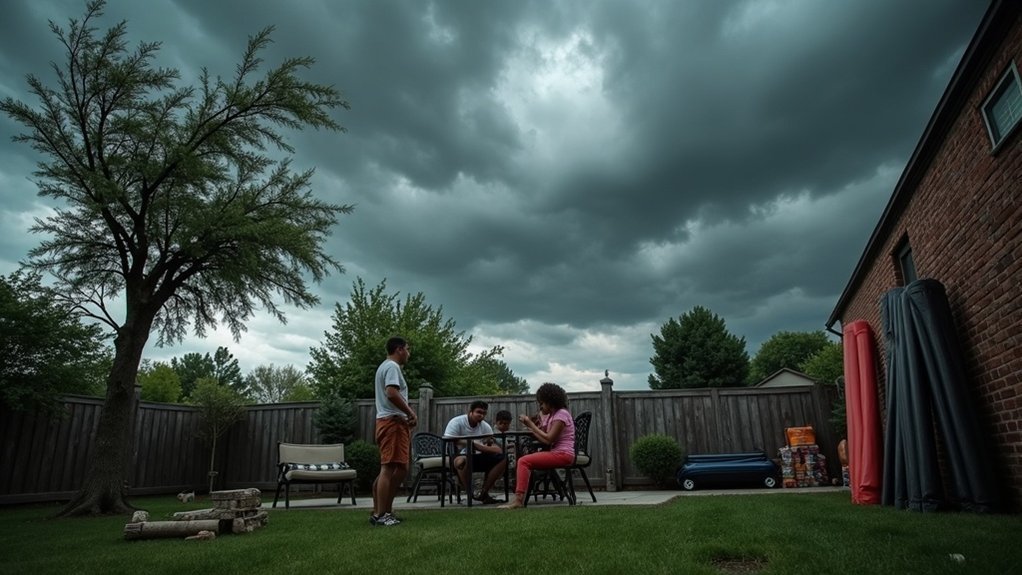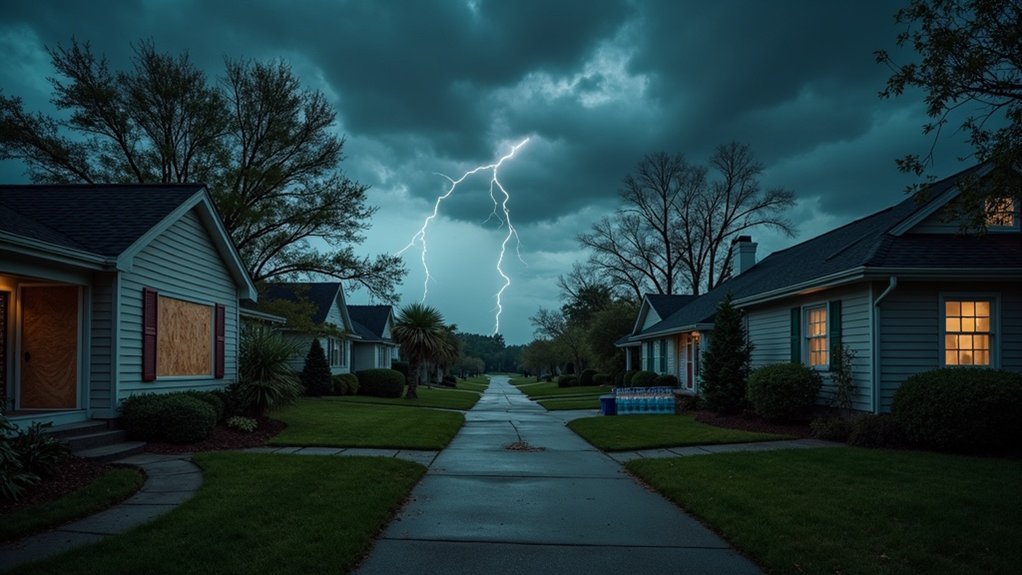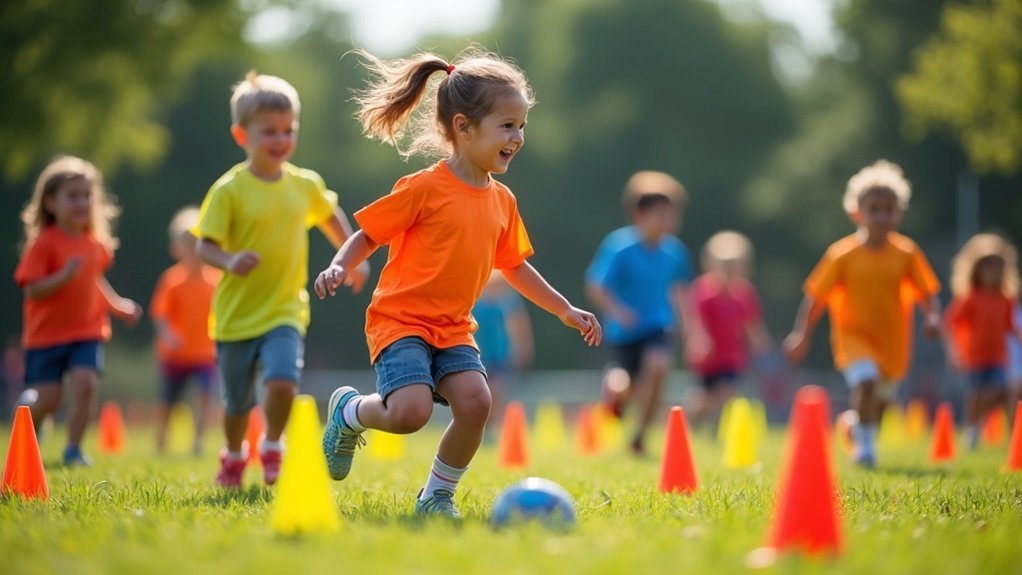
To gamify survival drills for kids, create an engaging environment filled with interactive challenges that promote essential survival skills. Introduce a point system for completing tasks such as building shelters or identifying edible plants, rewarding teamwork and cooperation among participants. Set up fun leaderboards to inspire friendly competition, encouraging kids to improve their skills. Use themed practice days, such as “Wilderness Survival Day” or “Urban Preparedness Challenge,” to ignite their imagination and keep the experience exciting. Incorporating instant feedback helps kids understand their strengths and areas for improvement in survival techniques. If you want ideas on sustaining their enthusiasm and enhancing the survival experience, there’s even more to explore.
Key Takeaways
- Introduce a clear point system to reward kids for completing survival drills and demonstrating essential skills, enhancing their engagement and motivation in preparedness activities.
- Create fun and themed practice sessions, such as “wilderness survival day,” to ignite their imagination and make drills feel like exciting adventures in survival training.
- Utilize badges as tangible rewards for achievements in survival skills, encouraging kids to strive for milestones in their journey of self-sufficiency and preparedness.
- Implement leaderboards to foster friendly competition among peers, tracking progress and motivating kids to improve their survival abilities and readiness.
- Incorporate immediate feedback through technology or peer sessions, helping kids understand their performance and identify areas for improvement in their survival training.
Understanding Gamification in Practice Drills
Gamification in survival drills isn’t just about adding points and badges; it’s about creating an engaging environment where individuals can thrive while honing their skills for real-life situations.
By transforming traditional survival practice into interactive challenges, you can spark motivation and participation. Leaderboards introduce healthy competition, encouraging participants to improve their preparedness abilities.
Transforming survival practice into engaging challenges boosts motivation and fosters a spirit of healthy competition among participants.
Instant feedback helps them understand their performance, guiding their efforts for better results in emergency scenarios.
Plus, incorporating collaborative group challenges fosters teamwork and communication, as individuals work together towards common survival goals.
Embracing gamification makes survival drills not just educational but also engaging, ensuring participants look forward to learning and growing together in their prepping journey.
Key Elements of Gamification
When you think about transforming survival drills into exciting challenges, key elements like points, badges, and collaborative tasks play an essential role.
Points motivate participants to engage actively in preparedness activities, while badges provide tangible rewards for their achievements in skills like foraging or first aid.
By incorporating teamwork and collaboration, you foster an environment where individuals learn from each other and work toward common survival goals.
Using leaderboards for tracking progress encourages friendly competition, helping them see how they stack up against their peers in skills and knowledge.
Instant feedback helps identify strengths and areas for improvement, enhancing their learning experience.
Gamification in survivalism creates a dynamic atmosphere that keeps individuals motivated and enthusiastic to participate in essential preparedness activities.
Benefits of Gamifying Practice Drills
When you gamify survival practice drills, you’ll notice participants becoming more engaged and enthusiastic about learning essential skills.
This method not only enhances their retention of crucial survival techniques but also fosters teamwork and collaboration among fellow preppers.
Increased Engagement Levels
Incorporating game-like elements into survival drills can significantly elevate participant engagement levels, transforming essential preparedness training into an exciting adventure rather than a mundane task.
By introducing points, badges, and challenges, you inspire individuals to actively engage in their own survival education. Research indicates that gamification can enhance intrinsic motivation by up to 48%, turning repetitive exercises into thrilling challenges.
Friendly competition through leaderboards encourages participants to enhance their skills while enjoying the process. Moreover, immediate feedback on their performance keeps them focused and invested in their learning journey.
This interactive approach not only boosts participant engagement but also greatly improves knowledge retention, making survival drills more effective and enjoyable.
Enhanced Skill Retention
Gamifying survival drills not only makes learning essential skills enjoyable, but it also significantly enhances skill retention among kids. Here’s how it works:
- Points for Completing Tasks: Kids earn points for completing survival tasks, encouraging regular practice and focus on critical skills.
- Immediate Feedback: Instant feedback helps children recognize areas for improvement, reinforcing their mastery of survival techniques.
- Engaging Challenges: Fun survival challenges promote critical thinking and make important concepts easier to recall in real-life situations.
With gamified survival drills, studies show retention can increase by up to 40%.
Fostered Team Collaboration
By creating a fun and interactive environment, you can foster teamwork among kids during survival drills. Gamified scenarios encourage collaboration, as participants work together towards common goals, enhancing their communication skills.
Using team-based point systems instills a sense of shared responsibility, motivating kids to support each other in critical situations. Engaging in these challenges helps them practice problem-solving collectively, strengthening their critical thinking as a group.
Team competitions, like leaderboards, promote healthy rivalry while emphasizing collaboration in survival tactics. Plus, incorporating shared rewards for team accomplishments builds camaraderie and improves peer relationships, making the experience enjoyable and beneficial for everyone involved in the preparedness journey.
Creating a Point System and Leaderboards
Creating a clear point system can really motivate individuals to engage with survival drills and preparedness activities.
By designing an engaging leaderboard, you not only showcase their progress but also spark some friendly competition.
This can lead to a fun atmosphere where everyone feels encouraged to improve their skills and reach new milestones in their survival readiness!
Establish Clear Point Criteria
Establishing a clear point system is essential for making survival skills practice engaging and motivating for participants. By defining specific criteria for earning points, you can enhance involvement.
Consider these guidelines:
- Earning Points: Award points for successful completion of survival tasks and demonstration of effort.
- Teamwork: Recognize collaborative efforts with bonus points to promote camaraderie and effective teamwork in survival scenarios.
- Leaderboard Updates: Regularly update point totals to maintain excitement and track progress in skill development.
Utilizing interactive tools to track points and leaderboards makes the system accessible and fosters friendly competition, motivating participants to improve while enjoying their preparedness training.
Design Engaging Leaderboard Displays
While survival drills can sometimes feel monotonous, designing engaging leaderboard displays can transform them into exciting challenges that participants look forward to.
Create a visually appealing leaderboard using earthy colors and survival-themed graphics to keep individuals engaged. Implement a point system where they earn points for completing various preparedness tasks, assigning values based on difficulty levels and skill mastery.
Regularly update the leaderboard, allowing participants to track their progress and aim for higher rankings in their survival skills. Incorporate tiered rewards, such as survival gear or badges, for reaching milestone point thresholds.
Utilizing digital tools makes tracking points easy and accessible, fostering motivation and encouraging ongoing participation in survival drills and prepping activities.
Encourage Friendly Competition
To foster a sense of friendly competition among kids during survival skill practice, implementing a clear point system can make all the difference.
Consider these key elements:
- Award points for completing survival drills, demonstrating essential skills, or improving personal bests to motivate engagement.
- Use a visually appealing leaderboard to showcase top performers, encouraging kids to aim for improvement in their survival techniques.
- Introduce weekly challenges where kids can earn bonus points for specific achievements, such as building a shelter or starting a fire, keeping the spirit of survivalism alive.
Engaging Challenges and Rewards
When kids engage in survival challenges during practice, they’re more likely to stay motivated and excited about their progress in essential skills.
Incorporate timed drills or obstacle courses that simulate real survival scenarios to create a sense of urgency and adventure. Implement a points system where they earn points for completing tasks, tracked on a leaderboard for friendly competition and teamwork.
Recognize achievements with badges for mastering survival skills or reaching important milestones, fostering a sense of accomplishment.
Themed practice sessions, like a “wilderness survival day,” can ignite their imagination and interest in the outdoors.
Finally, offer tangible rewards, like survival gear or extra outdoor time, to reinforce positive behavior and make every drill feel rewarding.
Implementing Immediate Feedback
Implementing immediate feedback during survival skills practice drills can significantly enhance the learning experience for individuals, making it more dynamic and effective.
Immediate feedback during survival skills drills enhances learning, making the experience more dynamic and effective for participants.
Here are three ways to integrate this approach:
- Use technology like apps or wearables to provide instant performance metrics, allowing participants to visualize their progress in mastering survival techniques through progress bars.
- Incorporate gamified elements, such as points or badges, to motivate individuals and reinforce positive behaviors in survival preparedness.
- Facilitate peer feedback sessions, encouraging collaboration and diverse perspectives on skills and strategies for effective survival.
Tips for Sustaining Engagement
After establishing immediate feedback mechanisms, the next step is to keep kids engaged in their survival skills practice.
Implement a point system where they can earn points for completing drills, which will encourage them to track their progress. Use achievement badges to reward milestones in their preparedness training, fostering a sense of accomplishment.
Introduce friendly competition with leaderboards, motivating them as they see their rankings among peers in essential survival tasks. Time challenges can make practice dynamic, urging kids to focus and complete drills efficiently.
Finally, incorporate storytelling elements into drills, framing them as survival quests, making the learning experience immersive and enjoyable.
This combination of strategies will enhance engagement and keep kids excited about honing their survival skills!