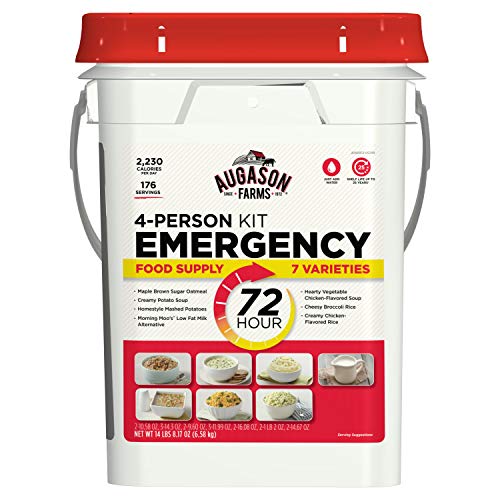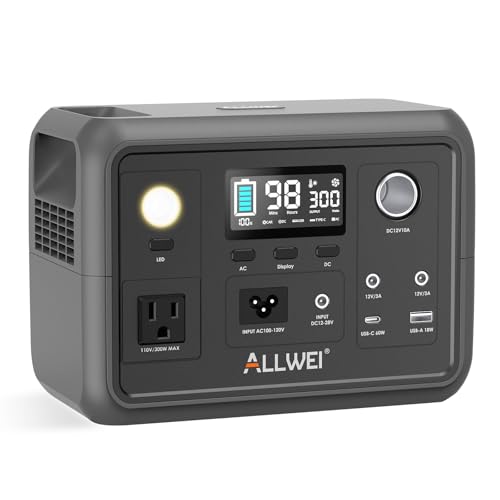
To maintain a survival preparedness notebook, consolidate crucial documents such as emergency contacts, medical information, and insurance details specifically related to survival scenarios. Utilize protective sleeves to keep these documents safe, organized, and easily accessible. Regularly update the content, and allocate a section for quick access to essential tax documents that may be important in emergency situations. Set reminders every six months to thoroughly review and replenish supplies in your emergency kit, ensuring you are always prepared for any situation. Actively engage with your local community to enhance your survival skills and resources, as collaboration can greatly improve your preparedness efforts. Keep exploring and researching to discover more effective strategies for enhancing your emergency planning and survival readiness.
Key Takeaways
- Regularly update your preparedness notebook with current emergency contacts, medical information, and insurance details to ensure accuracy during crises, supporting your self-reliance and readiness for any situation.
- Organize essential documents in protective sleeves, categorizing them for easy access and quick reference during emergencies, reinforcing your prepper mindset.
- Create a biannual checklist to review and refresh the contents, including food, medications, and emergency supplies, to maintain optimal preparedness levels.
- Document your home inventory and keep it updated with locations and values for insurance purposes and disaster recovery, enhancing your ability to rebound from crises.
- Include community resources and communication strategies to enhance collaboration and support during emergencies and drills, fostering a network of like-minded individuals for mutual aid.
Importance of an Organized Emergency Binder
When a crisis strikes, having an organized emergency binder can be a game-changer for survivalists and preppers. This binder serves as a vital resource, consolidating essential documents such as emergency contacts, medical information, and a comprehensive household inventory. This ensures that you can access critical information swiftly when every second counts.
It’s crucial to include contact numbers for emergency services like 9-1-1, poison control, and key family members, significantly reducing response times in high-stress situations.
Additionally, storing sensitive documents such as wills and medical waivers not only supports family preparedness but also reinforces your self-reliance in emergencies. Regularly updating the binder is imperative to keep all information current and relevant, while using protective sleeves helps safeguard these important documents from damage and wear over time.
Essential Contact Information
An organized emergency binder is a crucial component of your survival and prepping strategy, ensuring that essential contact information is readily available during a crisis.
Start by including vital emergency numbers such as 9-1-1, poison control, and local animal control. Compile a list of primary and secondary contacts for all family members, clearly marking priority contacts for urgent situations.
Include essential emergency numbers and contact lists for family members to ensure quick access during crises.
Additionally, record important details about your healthcare providers, including doctors and after-hours emergency numbers, as health can be a critical factor in survival scenarios.
Don’t overlook the importance of including your insurance company’s contact information along with policy numbers to facilitate prompt claims reporting when necessary.
Regularly update and review this information to reflect any changes, ensuring your emergency plan is robust and effective.
This preparation is essential for any survivalist, as it can save valuable time and reduce stress when it matters most.
Document Inventory and Insurance Management
To safeguard your assets and ensure your preparedness, begin by organizing crucial documents such as marriage and birth certificates in protective sleeves.
Next, compile a detailed home inventory checklist that catalogs valuable items, their locations, and estimated values. This will help you know exactly what you have in case of an emergency.
Finally, maintain a clear overview of your insurance policies to ensure you’re equipped for any unexpected situations.
Organizing Important Documents
Organizing important documents is essential for effective preparedness, especially in emergencies and survival situations. To ensure everything is easily accessible, consider these steps:
- Create a comprehensive house inventory checklist and document your belongings with video footage for insurance claims and asset protection.
- Store copies of critical documents such as medical, dental, and auto insurance cards in your preparedness binder for quick access during emergencies.
- Organize essential documents like marriage and birth certificates in protective sleeves to prevent damage and ensure longevity.
Regularly review and update your document inventory, including tax documents and insurance information, to keep everything current.
This proactive approach guarantees that you can swiftly retrieve what you need when it matters most, enhancing your overall preparedness strategy.
Insurance Policy Overview
When it comes to preparedness, having a comprehensive overview of your insurance policies is crucial for effective management and swift access during emergencies.
Assemble a detailed inventory checklist of all your policies, capturing policy numbers and coverage specifics. Keep copies of insurance cards for medical, dental, and auto coverage in your preparedness notebook for quick retrieval when needed.
Document essential contact information for your insurance companies, including your agents and claims representatives, along with their after-hours contact numbers.
Safeguard original documents in a waterproof, fireproof safe to protect against disasters, and make it a habit to regularly review and update your policy information, particularly following significant life changes.
This approach ensures you’re ready for any situation that may arise.
Home Inventory Checklist
A well-organized home inventory checklist is crucial for effective disaster preparedness and survival planning. Conduct a thorough room-by-room assessment, documenting the condition, purchase date, and estimated value of each item. Pay special attention to high-value and essential survival gear, capturing detailed photos or videos to ensure you have solid evidence stored securely.
- Regularly update your inventory after acquiring new items, particularly those that enhance your preparedness.
- Store copies of your checklist and important documents in a waterproof, fireproof safe to protect against disasters.
- Review your home inventory checklist annually to adapt to changes in your supplies and gear.
This proactive approach ensures that in the event of an emergency, you’ll have a comprehensive list of your resources, making it easier to access what you need or to assist others in your community.
Tax Document Organization
Tax documents can seem daunting, but having a well-organized system is crucial for survivalists and preppers alike. Start by gathering essential documents such as W-2s, insurance forms, and any financial records that might impact your preparedness plans.
Store these documents in a dedicated area, utilizing protective sleeves to prevent loss or damage. Create a specific section in your preparedness notebook for quick access during tax season, as this can be vital when planning your resource allocation.
After filing, ensure these documents are securely stored for future reference and potential audits, as having a solid paper trail can be important in emergency situations.
Set biannual reminders to review your organization, ensuring that all incoming tax documents are filed promptly and that your financial preparedness is in order.
Additionally, keep the contact information for your accountant or tax advisor readily available, as their expertise can be invaluable when navigating complex financial scenarios in uncertain times.
Biannual Maintenance Checklist
To ensure your preparedness notebook remains a vital tool for survival, set a calendar reminder every six months for a comprehensive review of its contents.
Set a biannual reminder to review your preparedness notebook and maintain its effectiveness as a crucial survival resource.
This biannual maintenance checklist is essential to verify that your supplies are reliable and primed for any emergencies.
- Replace expired food items, water, and medications to ensure quality and effectiveness.
- Remove items that are set to expire in the next six months to maintain organization and readiness.
- Conduct a thorough inspection of flashlights, batteries, and first-aid supplies to confirm their functionality.
Replenish any used supplies immediately to keep your emergency kit fully stocked.
Engaging With Your Community for Preparedness
Engaging with your community is a vital aspect of enhancing your survival and preparedness efforts. Collaborate with neighbors by organizing survival training sessions and drills to bolster essential skills and awareness.
Attend local forums and workshops to acquire valuable survival information and promote safety initiatives tailored to prepping. Establish a neighborhood watch or support group to ensure effective communication during emergencies and crises.
Leverage resources from local governments, such as survival gear and training programs available at community centers. Volunteering with local emergency response teams, like CERT, not only sharpens your personal skills but also fosters a resilient community equipped to tackle challenges together.