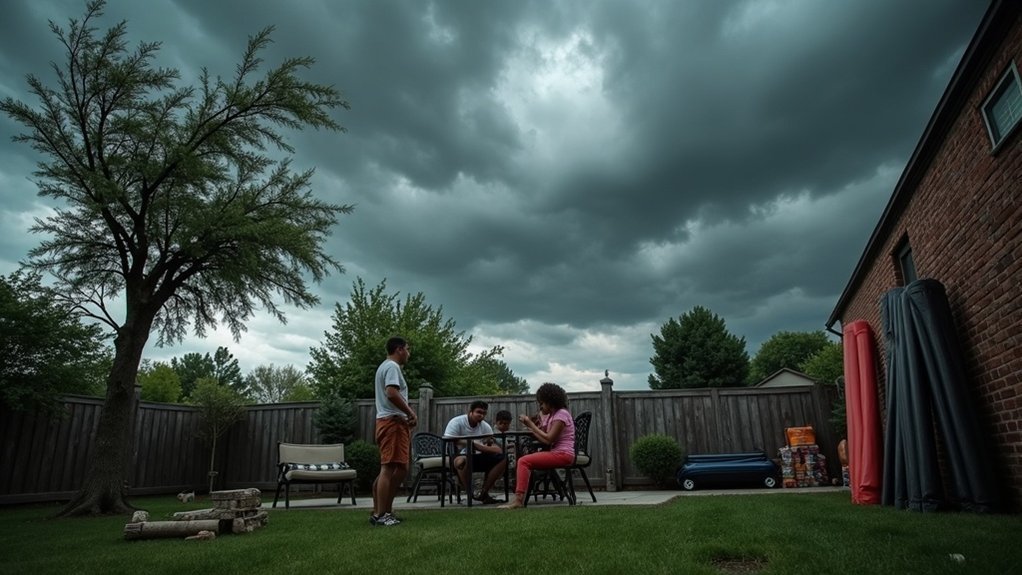
To effectively coordinate with local emergency services in your survival and prepping efforts, begin by establishing clear communication channels with key contacts in those services. Schedule regular meetings to discuss preparedness plans and updates on local threats. Engage in joint training and drills to enhance response tactics and identify any weaknesses in your emergency plans. Encourage resource sharing within the community by collaborating with local businesses to stockpile essentials during emergencies. Finally, develop tailored response plans that address your community’s unique survival needs. There’s much more to explore on strengthening your coordination efforts and building a resilient community prepared for any crisis.
Key Takeaways
- Identify and establish communication with key contacts in local fire, police, and medical teams to ensure a cohesive approach to emergency preparedness and response.
- Schedule regular meetings with local emergency services to discuss survival strategies, updates on emergency plans, and community-specific concerns.
- Conduct joint training exercises and simulation drills to improve readiness, test response plans, and identify areas for improvement in emergency protocols.
- Collaborate with local emergency services to share vital resources, including survival supplies and facilities, enhancing community resilience during crises.
- Develop customized emergency response plans that align with the unique risks and historical events of your community, working closely with local services for effective implementation.
Establishing Communication Channels
When establishing communication channels with local emergency services, it’s crucial for survivalists and preppers to identify key contacts within fire, police, and medical teams to ensure effective collaboration during crises.
This proactive approach to emergency management not only fosters clear communication but also strengthens overall preparedness for unforeseen events.
Schedule regular meetings with these contacts to discuss plans, updates, and survival tactics, ensuring everyone is aligned and ready to respond.
Utilize technology like messaging apps and social media for real-time information sharing during emergencies, enabling you to stay informed and connected.
Joint Training and Drills
Establishing robust communication channels with local emergency services is just the starting point; engaging in joint training and drills elevates your preparedness efforts significantly.
Here’s why you should prioritize joint training in your survivalism and prepping strategy:
- Enhance communication tactics between your survival team and emergency responders, ensuring everyone is on the same page during a crisis.
- Identify weaknesses in your preparedness plans through realistic simulation drills that mimic potential survival scenarios.
- Acquaint emergency services with your homestead or bug-out location and the specific hazards they may encounter.
- Cultivate a culture of preparedness within your community, minimizing fear and confusion during an actual emergency.
Resource Sharing and Support
While many may underestimate the value of collaboration, resource sharing between local businesses and emergency services is crucial for enhancing community resilience, especially in the context of survivalism and prepping.
By offering specialized vehicles and facilities as temporary shelters, businesses can significantly bolster emergency response efforts. Donations of essential supplies, such as food, water, and medical kits, are vital for preparedness and can make a difference in a crisis.
Businesses can enhance emergency response by providing temporary shelters and donating essential supplies like food and medical kits.
Moreover, financial support from the private sector can help fund essential technology and training for emergency personnel, ensuring they’re equipped to handle various survival scenarios.
Establishing robust communication channels is essential for ensuring that critical information flows seamlessly during emergencies. This alignment not only strengthens response capabilities but also encourages a culture of preparedness and corporate social responsibility.
Community Engagement and Awareness Campaigns
Engaging the community in emergency preparedness is vital for building resilience and ensuring safety during a crisis.
To foster effective response and collaboration, consider these strategies focused on survivalism and prepping:
- Utilize your business’s customer base to disseminate information about survival skills and emergency preparedness kits.
- Collaborate with local emergency services to conduct preparedness drills, helping community members become familiar with critical survival procedures.
- Sponsor educational workshops that emphasize self-sufficiency, resource management, and safety protocols to enhance community resilience.
- Participate in local preparedness events, such as survival fairs, to build trust and encourage community engagement in prepping initiatives.
These awareness campaigns not only alleviate panic during emergencies but also empower the community to respond effectively and sustainably.
Developing Emergency Response Plans
Developing effective emergency response plans for survivalism and prepping requires collaboration with local emergency services to ensure everyone understands their roles and responsibilities.
Begin the planning phase by evaluating risks and challenges unique to your community, including potential natural disasters, civil unrest, or other survival scenarios. Working together with emergency services allows for a structured approach, ensuring tailored plans that address specific needs and survival strategies.
Incorporate case studies and real-life scenarios into your plans to enhance preparedness through regular reviews and updates. This could involve analyzing past emergencies and the responses to them, which can provide valuable insights.
Joint training exercises are essential for improving emergency response skills and ensuring all stakeholders are familiar with survival protocols and strategies.
Establishing clear communication channels is also necessary for effective coordination and information sharing during emergencies. This can include creating a network of trusted contacts, utilizing radio communications, and employing other survival techniques to maintain contact when traditional methods fail.