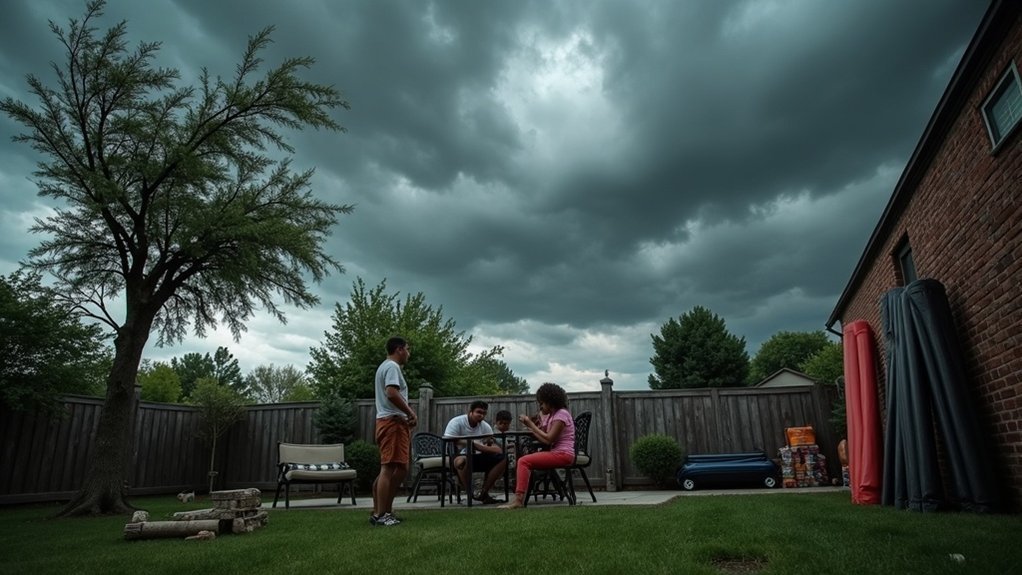
To run group drills effectively in survivalism and prepping, focus on clear communication by using straightforward language and appointing a single leader to guide the session. Organize participants into smaller groups to foster better engagement and implement partner drills that simulate real-life scenarios for practical competition. Incorporate various challenges related to survival skills, such as shelter building or resource scavenging, to keep interest high and monitor group dynamics for peak performance. Don’t forget to provide timely feedback on techniques and strategies and encourage teamwork through collaborative exercises that emphasize group cohesion and trust. Stay tuned, as there are even more strategies to enhance your drill sessions and prepare for any situation!
Key Takeaways
- Use clear, straightforward language and appoint a single leader to minimize confusion and enhance communication during drills. This is crucial for ensuring everyone understands their roles in survival situations.
- Organize participants into smaller groups or waves to increase engagement and allow for simultaneous practice, which can mimic real-life scenarios where quick decision-making is essential.
- Incorporate variations and challenges in drills to maintain interest and cater to diverse learning styles, ensuring that participants are well-prepared for unexpected situations.
- Provide timely feedback and conduct regular check-ins to monitor progress and adjust strategies as needed, especially in relation to survival tactics and preparedness skills.
- Foster teamwork through partner drills and small-group scenarios, promoting effective communication and collaboration, which are vital for successful survival strategies in group settings.
Importance of Clear Communication in Drills
Clear communication is crucial when conducting survival drills, as it significantly impacts the effectiveness of your training session.
To improve comprehension, ensure you use straightforward language and clear instructions that accommodate various learning styles. Appoint one individual to lead the instruction, which reduces confusion and ensures everyone is aligned.
Encourage an inclusive environment by providing immediate feedback and welcoming questions; this enhances decision-making skills among participants.
Additionally, consistently use specific terminology and survival cues to establish a common language, simplifying practice and reinforcing skill development.
These strategies will enhance your drills and maximize participant involvement in preparedness training.
Organizing Players for Maximum Engagement
To maximize engagement during survival training exercises, consider organizing participants into smaller groups or “waves” that allow for simultaneous participation. This method enhances effort and keeps everyone involved, making training sessions more effective. Implement partner drills to boost competition and motivation while easing your organizational workload.
| Strategy | Benefits |
|---|---|
| Smaller Waves | Increased engagement |
| Partner Drills | Enhanced competition |
| Timed Drills | Minimized distractions |
| Clear Recovery | Improved responsibility |
Incorporating Variations to Maintain Interest
While keeping your survival training sessions engaging is essential, incorporating variations in exercises can greatly enhance participants’ motivation and skill development.
You can modify the challenges in a wilderness survival scenario or introduce different techniques for fire starting to challenge trainees. Competitive elements, like timed shelter-building contests, foster a spirited environment, boosting engagement.
Adjust training focuses to emphasize different survival aspects—focus on foraging one day and water purification techniques the next. Implement partner drills or small group scenarios to encourage interaction and teamwork.
Regularly rotating training formats keeps sessions fresh, catering to diverse learning styles and preferences. These variations not only maintain interest but also elevate overall skill acquisition in survival situations.
Monitoring Group Dynamics and Providing Feedback
Monitoring group dynamics is crucial in survival training, as it helps optimize the effectiveness of your drills and exercises. Observing participant engagement allows you to adjust group sizes or the complexity of tasks to better suit the needs of your team.
Providing timely feedback is vital for skill acquisition, so be sure to offer specific corrections and reinforcement during practice scenarios. Partner exercises can foster healthy competition and encourage peer feedback, enhancing learning and understanding of survival techniques.
Implement structured coaching sessions, such as staggered drills, to provide individualized feedback while minimizing downtime. Regular informal check-ins can help you assess each member’s performance and adapt strategies accordingly, ensuring that everyone remains motivated and engaged throughout the training process.
Fostering Teamwork and Communication Among Players
Effective teamwork and communication are critical for success in any survival situation, as they enhance individual preparedness and strengthen the overall group dynamic.
Incorporate partner drills to encourage real-time feedback and collaboration among members. Utilize small-group scenarios to boost engagement, requiring effective communication for strategizing and coordinating movements in the field.
Implement structured exercises where team members call out actions or signals, fostering open communication and reinforcing the importance of teamwork in high-pressure situations.
Debrief after drills to help participants reflect on their roles and enhance their understanding of collaborative survival techniques.
Finally, create a safe environment that promotes self-expression, leading to stronger bonds and improved communication within the team, ultimately increasing your group’s chances of survival.