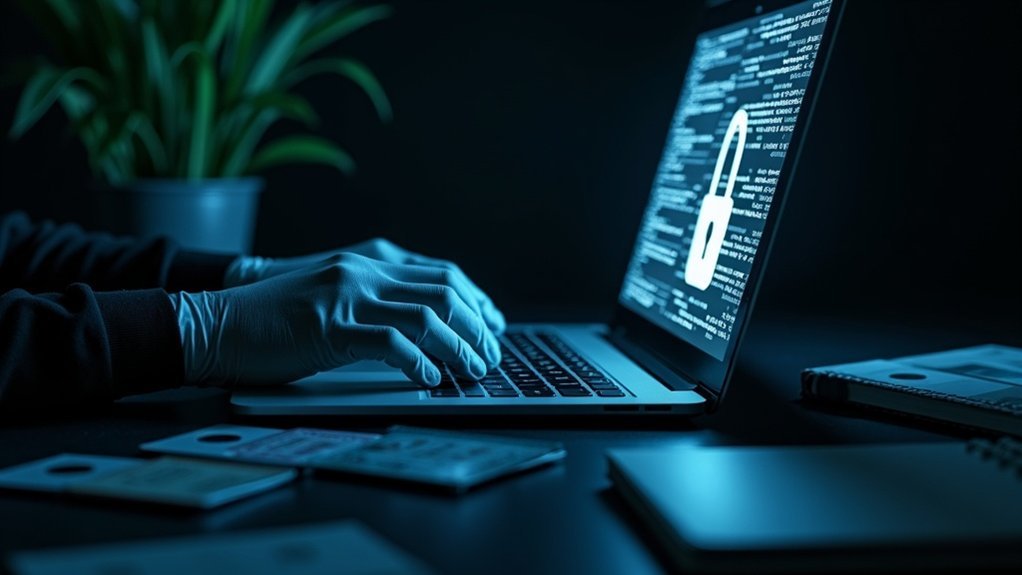
To practice operational security online in the context of survivalism and prepping, start by safeguarding your personal information with strong, unique passwords and a reliable password manager. Ensure your devices are secured with updated software and reputable antivirus programs to protect against cyber threats that could compromise your preparedness plans. Exercise caution with emails and links to avoid phishing attempts that could lead to unauthorized access to your sensitive information.
Manage your digital footprint by reviewing privacy settings on social media and minimizing shared details about your prepping activities. Cultivate situational awareness of your online presence, especially when discussing survival strategies or resources, and regularly adapt your security measures to counter evolving threats. Stay informed about the latest online security practices to maintain a robust defense that supports your survivalist goals. Further insights await you on maintaining strong online security while preparing for any situation.
Key Takeaways
- Use pseudonyms in online survival and prepping forums to protect your identity and minimize exposure risks.
- Regularly review and adjust privacy settings on social media platforms related to survivalism to control who can access your information.
- Share only essential details within the survivalist community to maintain discretion and limit the risk of information leakage.
- Be vigilant against social engineering tactics; verify any requests for sensitive information before responding, especially in prepping discussions.
- Conduct routine audits of your online presence and deactivate unused accounts to enhance your operational security within the survivalist sphere.
Protect Your Personal Information
When navigating the world of survivalism and prepping online, it’s essential to prioritize the protection of your personal information to maintain your privacy.
Adopting strong OpSec practices, such as using pseudonyms during discussions in prepper forums, can significantly minimize your risk of exposure. Be mindful of the details you share, including your full name, birthdate, and address, especially on social media platforms related to survivalism.
Regularly review and modify your privacy settings to ensure you control who can access your personal information and posts. Steer clear of sharing sensitive data in online discussions or emails, as this can be exploited by those with ill intentions.
Keep an eye on your online presence by searching for your name and securing any old accounts that may still be active. Additionally, be cautious when sharing images or location data to further bolster your security in the prepping community.
Use Strong and Unique Passwords
Using strong and unique passwords is crucial for protecting your digital assets and sensitive information, especially in a survivalist context where privacy and security can be paramount.
A password manager can aid in this endeavor by creating intricate passwords that fulfill security standards while ensuring you don’t reuse them across various accounts.
Password Complexity Importance
While many underestimate the importance of password complexity, strong and unique passwords are essential for safeguarding your online accounts, especially for those in the survivalism and prepping community. Approximately 81% of data breaches stem from weak or stolen passwords, highlighting the critical need for complexity.
A robust password should incorporate a mix of uppercase and lowercase letters, numbers, and special characters, ideally spanning 12-16 characters. This significantly enhances your security against unauthorized access to personal data, which is vital when protecting sensitive information related to your survival plans and resources.
To further bolster protection, consider implementing multi-factor authentication, which is 99.9% effective against automated attacks. Regularly updating your passwords every 3 to 6 months also mitigates risk, ensuring ongoing account security.
In the world of prepping, where information can be crucial for safety and survival, taking these steps is essential to safeguard your digital assets.
Password Manager Benefits
While strong passwords are essential for protecting your online accounts, they’re just one piece of the larger survival strategy in today’s digital world. A password manager acts as a valuable tool in your preparedness arsenal, streamlining your online security efforts.
With the ability to generate robust, complex passwords, a password manager significantly reduces the risks of unauthorized access to your sensitive information, which is crucial when you’re looking to safeguard your resources and plans.
By securely storing all your passwords, a password manager eliminates the need to memorize multiple logins, allowing you to create unique passwords for each account. This practice is vital in survivalism, as it helps prevent the common mistake of password reuse, which is responsible for 81% of hacking-related breaches.
Furthermore, many password managers incorporate multi-factor authentication, providing an additional layer of defense for your digital assets. Regularly updating your passwords through these tools enhances your overall security posture, ensuring that your information remains safe from potential threats during uncertain times.
Secure Your Devices and Networks
To effectively secure your devices and networks in a survivalist and prepping context, it’s crucial to adopt a multi-layered approach.
Begin by regularly updating your devices with the latest software patches to protect against vulnerabilities that could be exploited during a crisis. Install reputable antivirus and anti-malware software to detect and neutralize threats that may arise as you navigate uncertain times.
Always connect to secure Wi-Fi networks, steering clear of public ones that can compromise your sensitive information. If you must use public Wi-Fi, employ a Virtual Private Network (VPN) to encrypt your communications and safeguard your data from prying eyes.
Additionally, periodically assess and adjust your security settings to ensure they align with best practices for both everyday use and emergency scenarios.
Remember to secure your devices by using strong, unique passwords, as this will significantly bolster your overall security and preparedness in any situation.
Be Cautious With Emails and Links
Always verify email senders before interacting with their content, as attackers often use deceptive addresses to lure individuals.
Recognizing phishing attempts is crucial for survivalists; be on the lookout for warning signs such as generic greetings and poor grammar, which may signal a threat.
Verify Email Senders
Although many emails may seem legitimate, verifying the sender’s email address is crucial for protecting your preparedness information. Cybercriminals often use addresses that closely mimic trusted survivalist sources, featuring subtle variations or misspellings.
If an email contains unusual requests or urgent language, it’s wise to research the sender’s organization online to ensure it’s credible. Be wary of emails asking for sensitive or identifiable information; reputable companies in the survival and prepping community won’t solicit personal data this way.
Additionally, hover over any links to reveal their true URLs before clicking, as malicious links can lead to sites designed to compromise your security. Utilizing email filtering tools can further bolster your defenses against potential threats.
Recognize Phishing Attempts
Recognizing phishing attempts is crucial for survivalists and preppers, as it can impact your ability to protect your resources and information. Phishing often uses urgent language to manipulate you into clicking malicious links or disclosing sensitive data, which can jeopardize your preparedness efforts.
With over 90% of successful data breaches stemming from phishing, maintaining operational security (OPSEC) is essential for safeguarding your supplies and plans. Remember, legitimate organizations will never ask for sensitive information through email, so approach such requests with caution.
Always hover over links before clicking to check their true URLs—be vigilant for inconsistencies in the domain that could signal a threat. Additionally, leverage email security features such as spam filters and malware detection to bolster your defenses against phishing attempts targeting your inbox.
Stay vigilant and prepared.
Manage Digital Footprints
Managing your digital footprint is crucial for survivalists and preppers aiming to protect their privacy in an increasingly interconnected world.
To minimize risks, regularly review and delete old accounts or unused applications that may expose your personal information. Limit location tracking settings on your devices to prevent unnecessary sharing of your whereabouts, especially when scouting for supplies or during emergency situations.
Adjust privacy settings on social media and cloud services to control who can access your personal data. Periodically monitor your online presence by searching your name to identify any publicly available information that could compromise your privacy.
Lastly, practice discretion in online interactions and avoid oversharing personal details that could lead to unwanted attention.
Cultivate Situational Awareness
Your digital footprint isn’t the only aspect to monitor; cultivating situational awareness is crucial for enhancing your personal security in a survivalist context.
Regularly assess your online environment for potential threats, such as phishing attempts and suspicious account activity, which can compromise your preparedness efforts.
Understanding who can see your social media posts and the implications of sharing personal details is vital for maintaining Operational Security (OPSEC).
Stay vigilant against social engineering tactics, including unsolicited requests for sensitive information that could expose your resources or plans.
Adapt Your Security Measures
While adapting security measures is essential for safeguarding your online presence, it requires a proactive approach to effectively mitigate risks, especially in the context of survivalism and prepping.
Focus on these key strategies to enhance your Operational Security (OPSEC):
- Regularly update passwords and use unique combinations for different accounts to protect sensitive survival information.
- Implement multi-factor authentication (MFA) to prevent unauthorized access to your prepping resources and communication channels.
- Evaluate the necessity of sharing personal information on media posts and websites; discretion is crucial in the survivalist community.
- Conduct routine audits of privacy settings and unused accounts to ensure no vulnerabilities exist that could compromise your security.
Stay informed about emerging security threats, particularly those that could impact your preparedness efforts, and adjust your measures accordingly to minimize exposure to potential risks.
Your vigilance is vital in maintaining a secure digital environment for you and your survivalist activities.