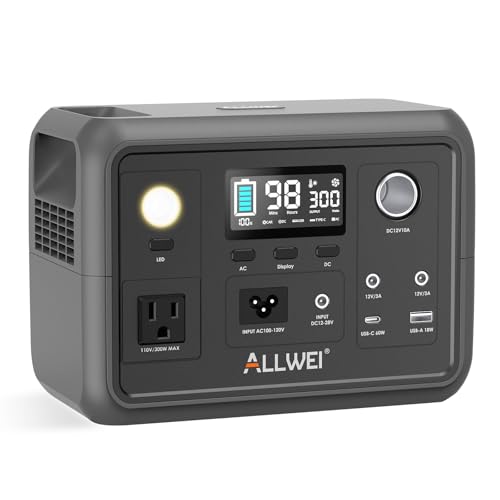
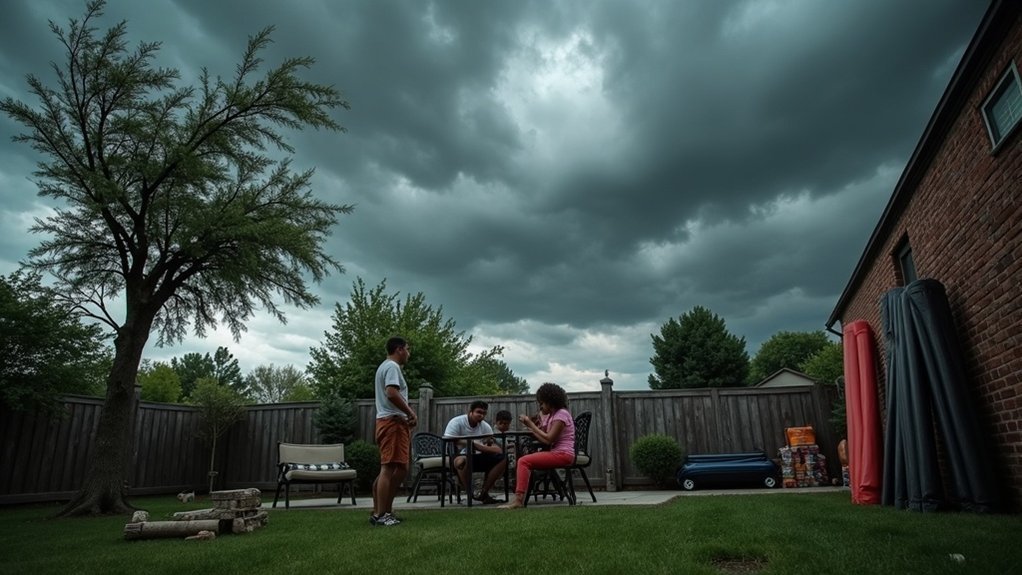
To create a financial go plan tailored for survivalism and prepping, start by assessing your current financial situation, focusing on your net worth and budget. Identify essential expenditures related to your prepping needs, such as food storage, emergency supplies, and self-sufficiency investments. Next, define and prioritize your financial goals, making sure they are specific, realistic, and time-bound—such as building a three-month supply of food or saving for a reliable generator. Develop a structured financial plan that outlines actionable steps to achieve these goals, including setting aside a dedicated emergency fund. Regularly monitor your progress and be prepared to adjust your plan as circumstances change. If you want to enhance your strategy further, there are more insights ahead.
Key Takeaways
- Assess your current financial situation by calculating net worth and reviewing income, expenses, and debts, with a focus on resources essential for survival and prepping.
- Define and prioritize financial goals using the SMART framework to ensure clarity and direction in your preparedness efforts.
- Develop a structured financial plan that includes budgeting for essential supplies, gear, and emergency provisions, while setting savings targets for long-term sustainability.
- Monitor progress regularly, adjusting goals and resource allocations based on performance indicators, changing circumstances, and evolving threats to your preparedness strategy.
- Consult with experts in survivalism and prepping periodically to enhance your financial strategies and stay informed about emerging challenges and opportunities in the field.
Assess Your Current Financial Situation
How well do you really understand your financial situation in the context of survivalism and prepping? Start by calculating your net worth: list your assets, including supplies, gear, and land, and subtract your liabilities. This gives you a clearer picture of your financial readiness.
Next, review your monthly budget by tracking income and categorizing expenses, focusing on essential survival needs such as food storage, medical supplies, and self-defense equipment. Identify spending patterns that may need adjusting to prioritize your prepping goals.
Ensure you have an emergency fund covering 3-6 months of essential expenses, particularly those related to your preparedness efforts, to safeguard against unexpected events.
Assess your debt by listing outstanding balances and interest rates, prioritizing high-cost debts for repayment to free up resources for your prepping endeavors.
Finally, reflect on your long-term stability—check contributions to savings and investments that can support your survival plans, ensuring they align with your financial and preparedness goals.
Define Your Financial Goals
What financial goals do you want to achieve to enhance your preparedness for emergencies and self-sufficiency? Start by categorizing your goals into short-term, medium-term, and long-term.
Utilize the SMART framework—specific, measurable, achievable, relevant, and time-bound—to ensure your financial goals are realistic and attainable. For instance, if you’re saving for a comprehensive emergency fund, set a clear target amount and determine the monthly savings needed to reach it within a specified timeframe.
A structured financial plan, including budgeting strategies focused on survival needs such as food storage, tools, and gear, is essential to support these goals. Regularly review and adjust your goals to stay aligned with your evolving preparedness needs and maintain motivation as you progress toward your objectives.
Prioritize Your Goals
While setting survival and prepping goals is essential, prioritizing them effectively ensures you allocate your resources where they matter most.
Start by categorizing your goals into short-term, medium-term, and long-term objectives. Use the SMART framework to verify each goal is specific, measurable, achievable, relevant, and time-bound.
Categorize your survival goals into short, medium, and long-term objectives while ensuring they meet the SMART criteria for effectiveness.
Assess the urgency and importance of each goal to determine which requires immediate attention, such as acquiring essential supplies or skills.
Utilize a preparedness goal calculator to visualize how achieving one goal impacts others, such as food storage, self-defense training, or emergency planning.
Regularly make adjustments based on changes in your circumstances or available resources to ensure your prioritized goals align with your overall survival strategy.
Develop a Structured Financial Plan
To develop a structured financial plan for survivalism and prepping, start by evaluating your current financial situation, including income, expenses, assets, and liabilities.
This evaluation serves as your baseline, allowing you to set SMART (Specific, Measurable, Achievable, Relevant, Time-bound) financial goals that guide your decisions and track your progress effectively.
By establishing clear objectives related to your preparedness, such as budgeting for essential supplies, investing in sustainable resources, or saving for emergency situations, you can create a roadmap that keeps you focused on achieving your survival aspirations.
This structured approach will ensure that you’re financially equipped to withstand any unforeseen circumstances.
Assess Current Financial Situation
Understanding your current financial situation is essential for developing a structured financial plan that supports your survival and preparedness goals. Start by calculating your net worth; list all assets, including supplies, gear, and investments in preparedness, alongside your liabilities to pinpoint areas for improvement.
Next, review your cash flow by evaluating monthly income against essential expenses and discretionary spending, which will highlight patterns of overspending or potential savings that can be redirected towards your prepping efforts. Create a comprehensive budget that reflects this analysis while prioritizing your survival needs.
Additionally, establish an emergency fund covering 3-6 months of essential living costs, as this will provide a safety net in case of unforeseen circumstances.
Utilize financial tools to continuously track income and expenses, allowing for real-time adjustments to ensure you remain on target with your financial and preparedness objectives. Being financially prepared is a critical component of effective survivalism.
Set SMART Financial Goals
Setting SMART financial goals is crucial for developing a structured financial plan that effectively supports your survival and preparedness objectives. You should establish realistic goals that are Specific, Measurable, Achievable, Relevant, and Time-bound.
For example, aim to save $5,000 for your emergency fund within 12 months by making automatic transfers of approximately $417 monthly into a dedicated savings account.
Prioritize using the 50/30/20 rule to allocate your resources wisely, ensuring you have enough for essential supplies, survival gear, and future preparedness investments.
Regularly review your progress and adjust your goals as your circumstances and survival strategies evolve.
Consider consulting a financial advisor with experience in prepping for expert guidance in achieving your financial goals and maintaining a strong survival strategy.
Monitor Your Progress
To effectively monitor your progress in survivalism and prepping, you need to track your resource allocation closely and set specific milestones with timelines for your preparedness goals.
Adjust your objectives as necessary to reflect any changes in your situation or priorities, such as new threats or opportunities for improvement.
This proactive approach will help you stay aligned with your overall survival objectives and keep you motivated in your readiness journey.
Track Your Spending Habits
While you may have a preparedness plan in place, truly mastering your survival skills hinges on the ability to track your resource usage effectively. Regularly monitor your supplies to identify patterns and overconsumption, adjusting your inventory plan as necessary. Utilize tools like survival apps or inventory management spreadsheets for real-time insights. Categorizing resources into essential and non-essential helps pinpoint areas to cut back.
| Resource Type | Example |
|---|---|
| Essential | Water, food supplies |
| Non-Essential | Camping gear, luxury items |
| Total Inventory | $X |
| Actual Usage | $Y |
This practice will drive you toward your survival goals and enhance your preparedness.
Set Milestones and Timelines
Milestones serve as essential markers on your survival and prepping journey, helping you stay focused and motivated.
To effectively set milestones, establish specific targets for each preparedness goal, such as acquiring a certain amount of food supplies or gear by a specific date.
Create a realistic timeline by breaking down larger goals into manageable steps, scheduled quarterly or annually.
Regularly monitor your progress using checklists or spreadsheets, providing a visual representation of your achievements.
Schedule periodic reviews—monthly or quarterly—to assess your preparedness against these milestones.
This approach allows you to celebrate successes and recalibrate strategies if you’re falling behind, ensuring you stay on track to meet your survival goals.
Adjust Goals as Needed
As you navigate your preparedness journey, it’s essential to regularly adjust your survival goals based on your evolving circumstances and the changing landscape of potential threats.
Take time every 6 to 12 months to review your preparedness objectives, ensuring they align with your current situation and resources. Tracking progress is vital; utilize inventory and planning tools to pinpoint discrepancies between your preparedness plans and actual supplies.
Stay flexible, adjusting goals as needed for significant life changes, like relocating to a new area or responding to unexpected emergencies. Set specific milestones to evaluate your readiness, and employ performance indicators, such as stockpiled resources and skill proficiency, to maintain a clear picture of your preparedness status and ensure you’re on target for any potential challenges.
Adjust Your Plan as Necessary
To ensure your survival and preparedness plans remain effective, it’s vital to regularly review and adjust them in response to changes in your circumstances and the broader environment.
Track your progress toward your preparedness goals at least annually or after significant life events. Adjust your plan as necessary by modifying your resource allocations and timelines when needed.
Regularly assess your preparedness goals and adjust plans as needed after significant life events.
Be flexible with your budget to accommodate unexpected emergencies or supply shortages. Utilize survival tools and apps to analyze your inventory and identify areas for improvement.
Periodically consult with a survival expert to gain insights and adapt your preparedness strategy to evolving threats and conditions effectively.