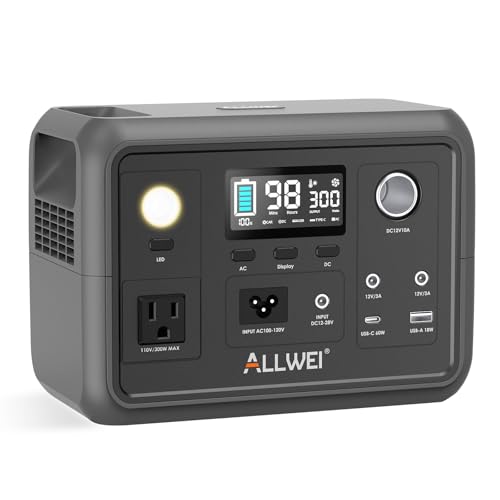
To assemble a comprehensive roadside survival kit, include essential tools like adjustable wrenches, screwdrivers, and pliers to handle various mechanical issues. Incorporate a tire repair kit, a spare tire, and jumper cables to ensure you can tackle common vehicle problems. Safety equipment is paramount; pack a first aid kit, a high-powered flashlight, and a high-visibility vest to keep yourself safe and visible in emergencies. Additionally, include emergency supplies such as non-perishable food items, water, and an emergency blanket to sustain yourself if stranded. Regularly check and update your kit, ensuring all items are in optimal working condition. These preparations will enhance your readiness for any roadside emergencies you might encounter.
Key Takeaways
- Assemble a comprehensive toolkit that includes an adjustable wrench, screwdrivers, pliers, and a hammer, which are essential for making emergency repairs when you’re off the beaten path.
- Incorporate a tire repair kit complete with sealant, a spare tire, tripod jack, and a wheel wrench to ensure you can safely change tires in any situation.
- Pack heavy gauge jumper cables for jump-starting dead batteries, and duct tape for making versatile emergency fixes that can hold until you reach safety.
- Equip your kit with crucial safety items such as a high-visibility vest, a first aid kit, a reliable flashlight, and reflective warning triangles to alert others of your presence in low visibility conditions.
- Regularly inspect and maintain your roadside repair kit to guarantee that all items are functional and current, ensuring you’re always prepared for unexpected challenges on the road.
Essential Items for Your Roadside Repair Kit
When you venture into the wilderness or embark on a long journey, having a comprehensive roadside repair kit is crucial for survival and self-sufficiency in the face of unexpected challenges. Equip your kit with essential tools like an adjustable wrench, screwdrivers, pliers, and a hammer to handle minor repairs that arise during your travels.
A tire repair kit with sealant is indispensable for swiftly addressing small punctures, ensuring you can stay mobile. Additionally, your kit should include a spare tire, tripod jack, and wheel wrench to facilitate safe tire changes when needed.
A tire repair kit with sealant is essential for quick fixes, along with a spare tire and tools for safe changes.
In the event of a dead battery, heavy gauge jumper cables (AWG 1 recommended) are vital for jump-starting your vehicle, ensuring you can get back on the road quickly.
Lastly, include duct tape in your kit as a versatile emergency supply; it can be used for a myriad of quick fixes until you can perform more permanent repairs. Being prepared with these essential items not only enhances your safety but also reinforces your preparedness mindset in any situation.
Safety Equipment for Emergency Situations
While unexpected roadside emergencies can be daunting, being prepared with the right survival gear significantly boosts your ability to handle the situation effectively. Equip yourself with these essential items for any emergency scenario:
- High-Visibility Safety Vest – Ensures you’re easily seen by passing vehicles, reducing the risk of accidents.
- Comprehensive First Aid Kit – Contains critical supplies such as gauze, antiseptic wipes, and pain relief medications to treat injuries promptly.
- Durable Flashlight – Provides illumination in dark conditions, making it easier to assess and fix issues, especially after sunset.
- Portable Fire Extinguisher – Essential for controlling small fires quickly, thus preventing injury and protecting your vehicle from damage.
In addition, carrying reflective warning triangles is crucial for alerting other drivers, which minimizes the chance of secondary accidents.
Prioritizing these items not only enhances your readiness for roadside emergencies but also aligns with survivalist principles, ensuring you remain safe and self-sufficient in critical situations.
Basic Car Maintenance Tools You Need
When it comes to survivalism and prepping, having the right tools for basic car maintenance is crucial for ensuring your vehicle is ready for any situation.
Essential items such as adjustable wrenches, screwdrivers, and pliers are necessary for efficient repairs. Additionally, a tire repair kit and a sturdy jack are vital for addressing emergencies on the road.
Regularly checking and maintaining these tools not only enhances your safety but also ensures you’re well-prepared for any unforeseen circumstances while out in the wilderness or during an emergency.
Essential Tools Overview
Having the right tools in your roadside repair kit is crucial for overcoming unexpected car troubles efficiently, especially for those who prioritize survivalism and preparedness.
Here are some essential tools you’ll need:
- Adjustable Wrench – Vital for loosening or tightening bolts and nuts, ensuring you can make necessary adjustments on the go.
- Tire Repair Kit – A comprehensive kit that includes sealant and tools for quick repairs on punctured tires, keeping your vehicle mobile in emergencies.
- Jumper Cables – Heavy gauge cables designed to jump-start a dead battery, providing a quick solution to battery failures.
- Basic Hand Tools – A set of screwdrivers, pliers, and a hammer for various minor repairs, allowing you to address mechanical issues effectively.
Equipping yourself with these essential items ensures you’re prepared for roadside emergencies, enabling you to tackle flat tires, dead batteries, and other vehicle malfunctions with confidence.
Safety Equipment Considerations
To ensure your roadside repair kit is truly effective for survival situations, it’s essential to include safety equipment that complements your basic car maintenance tools.
Jumper cables, preferably AWG 1 copper welding cables, are crucial for jump-starting dead batteries, particularly in larger vehicles during emergencies.
A durable tow strap, rated for your vehicle’s weight, ensures safe towing or pulling if you encounter breakdowns in remote areas.
Furthermore, a tire repair kit with sealant allows for quick fixes for small punctures, enabling you to address tire issues without needing professional assistance.
Maintenance Frequency Recommendations
Regular vehicle maintenance is crucial for ensuring your preparedness in survival situations and keeping your roadside repair kit functional.
By following a maintenance frequency schedule, you can avoid unexpected breakdowns and be ready for emergencies that may arise during your adventures.
- Inspect essential fluids (oil, coolant, brake) every 3,000-5,000 miles to ensure your vehicle operates smoothly when you need it most.
- Check tire pressure monthly and make sure your spare tire is properly inflated to prevent getting stranded in remote areas.
- Replace windshield wipers every 6-12 months to maintain clear visibility during adverse weather conditions.
- Inspect battery connections and clean corrosion at least twice a year to ensure reliable starts, especially in critical situations.
Emergency Supplies for Unexpected Breakdowns
When unexpected breakdowns occur, being prepared with emergency supplies can be crucial in ensuring your safety and resolving the situation efficiently. A well-stocked roadside kit is an essential component of any survivalist or prepper’s gear, as it includes vital items that can help you address common issues effectively. Regularly reviewing and updating your kit is important to guarantee its functionality and readiness.
| Item | Purpose |
|---|---|
| Jumper cables | Restart a dead battery |
| Tire repair kit | Fix flat tires |
| Spare tire | Replace a damaged tire |
| Flashlight | Provide visibility during nighttime repairs |
| Adjustable wrench | Facilitate quick fixes on minor repairs |
Comfort Items for Extended Waits
When faced with a breakdown, having comfort items on hand can significantly improve your survival experience during unexpected delays.
These essentials not only support your well-being but also help you maintain a level of preparedness.
- Non-perishable food: Stock up on energy bars, granola, or other nutrient-dense snacks to keep your energy levels up during prolonged waits.
- Portable phone charger: Ensure your communication devices remain powered so you can reach out for assistance or stay updated on your situation.
- Emergency thermal blanket: Essential for staying warm in cold weather, this lightweight item is a crucial addition to your survival kit.
- Rain poncho: Protect yourself from the elements with a durable poncho, which can make waiting in wet conditions more manageable.
Incorporating these comfort items into your survival kit won’t only enhance your experience but also reinforce your readiness for extended waits in challenging circumstances.
Regular Maintenance and Updates for Your Kit
To ensure your roadside repair kit remains effective, conduct thorough inventory checks every six months.
This practice allows you to replenish any missing or expired items and to update seasonal components as necessary.
Regular Inventory Checks
Conducting regular inventory checks of your roadside repair kit every six months is crucial for ensuring that all items are functional and ready for use in any survival situation.
Here’s a quick checklist to guide you:
- Verify that jumper cables are free from damage and ready for deployment.
- Check the expiration dates on your first aid supplies to ensure they remain effective.
- Inspect tools such as wrenches and screwdrivers for any signs of rust or wear.
- Confirm that the batteries in your flashlights are fresh and fully charged.
Maintaining your emergency kit not only prepares you for roadside emergencies but also enhances your overall preparedness for unforeseen circumstances.
Keep a laminated inventory list to streamline the process of replenishing essential supplies and tracking what needs replacement. This proactive approach aligns with survivalism principles, ensuring you’re always ready for whatever challenges may arise.
Seasonal Item Updates
As seasons change, so should your roadside survival kit to ensure it meets your current needs and conditions. Regularly review your emergency car kit, checking expiration dates on first aid supplies and replacing crucial items like batteries and perishable food.
In winter, enhance your kit with essential survival gear such as a shovel, ice scraper, and warm blankets to keep you safe during cold emergencies. During the warmer months, don’t forget to include sunblock and insect repellent to protect against sunburns and bug bites.
Maintain a laminated checklist of your kit’s contents, updating it with seasonal item adjustments to ensure thorough preparedness throughout the year. This proactive approach is vital for any serious prepper looking to stay ready for any situation.