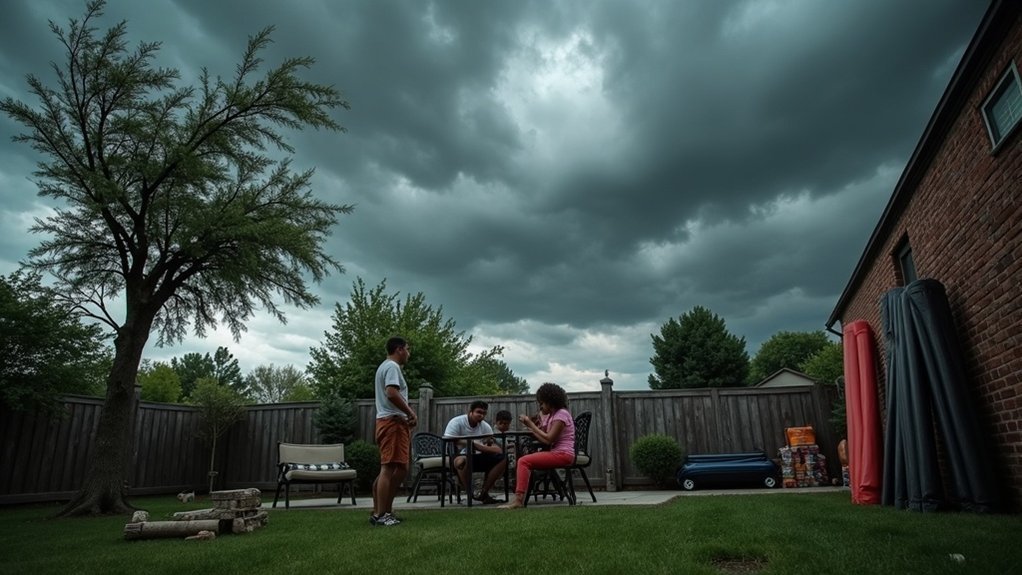
To assemble a robust school emergency kit, begin by gathering critical survival supplies such as water, non-perishable food, a comprehensive first aid kit, and personal hygiene items. Opt for a durable, waterproof container that can withstand various environmental conditions and store it in a climate-controlled area. Regularly inspect and update your kit, making sure to replace expired items and address the specific needs of students, including dietary restrictions and comfort items to help ease anxiety during emergencies. Engage the school community in the process by seeking donations and support, fostering a sense of preparedness among students and staff. Continuously explore ways to enhance your kit’s effectiveness, incorporating additional survival gear and strategies that promote resilience and readiness for any situation.
Key Takeaways
- Assemble vital supplies such as water, long-lasting food, a comprehensive first aid kit, and hygiene products customized for the student demographic.
- Ensure these items are stored in a robust, waterproof container, ideally situated in a climate-controlled environment to preserve their integrity.
- Develop smaller, portable emergency kits for classrooms, making certain that all staff and students are aware of their locations for rapid access during an emergency.
- Conduct regular inspections and replenish the kit to replace expired items, and adapt supplies based on community feedback and evolving needs.
- Engage the local community by requesting donations and promoting volunteer efforts to assemble and sustain the emergency kit, reinforcing the importance of preparedness.
Understanding the Importance of a School Emergency Kit
When emergencies strike, having a well-stocked school emergency kit can be crucial for ensuring the safety and survival of students and staff. This kit should contain essential supplies, including first aid items, to address immediate needs during various emergencies, such as natural disasters or other crises.
It’s vital that the kit is designed to sustain your school community for up to 72 hours, with provisions of non-perishable food and at least one gallon of water per person per day.
Regularly inspecting and maintaining the kit is essential to ensure that all items are fresh, functional, and ready for use when needed. Additionally, it’s important to tailor your emergency kit to meet the specific needs of your students, including any medical conditions or dietary restrictions.
Key Components of Your Emergency Kit
A well-prepared school emergency kit is crucial for ensuring the safety and resilience of students and staff during crises. To equip your kit effectively, include at least five key components.
A well-prepared school emergency kit is essential for safeguarding students and staff during crises.
First, store ample water—one gallon per person per day for a minimum of three days, as hydration is vital for survival.
Next, pack non-perishable food items such as mylar pouches, freeze-dried meals, and energy bars to sustain energy levels.
A comprehensive first aid kit is non-negotiable; it should contain bandages, medical tape, gauze, antiseptic wipes, and any necessary medications.
Additionally, personal hygiene supplies like toilet paper, wet wipes, and hand sanitizer are essential for maintaining health and comfort in emergencies.
Finally, conduct regular inspections of your kit to replace expired items and ensure that everything is in working order.
Being proactive in your preparedness will enhance the safety and well-being of your school community.
Essential Supplies for Various Emergencies
In the world of survivalism and prepping, being prepared for emergencies is crucial. Having the right supplies readily available can significantly enhance your chances of safety and comfort during unexpected situations. Your emergency kit should encompass the following essential items:
| Supplies | Quantity |
|---|---|
| Water | 1 gallon per person/day for at least 3 days |
| Non-perishable food | Ample supply for your expected group size |
| First aid kit | 1000 4×4 compresses, 150 8×10 compresses, 12 elastic bandages (both 2-inch and 4-inch) |
Furthermore, it’s wise to include practical tools such as a pry bar and shovel. Regularly inspect your kit to replenish food, water, and first aid supplies to ensure they remain fresh and adequate for any emergency scenario. Being proactive in your preparations will enhance your readiness for whatever challenges may arise.
Storage and Accessibility of Your Kit
Proper storage and accessibility of your emergency kit are critical components of effective preparedness in the realm of survivalism and prepping. Opt for a sturdy, waterproof container to safeguard your supplies, and ensure that all individuals involved are aware of the kit’s location for swift retrieval during a crisis.
- Utilize a 5-gallon bucket or a robust plastic bin with an airtight lid for optimal storage.
- Keep the kit in a climate-controlled environment to preserve the quality and longevity of the supplies.
- Consider placing smaller, portable kits in each classroom or key locations to improve accessibility during emergencies.
Regularly inspect and refresh the contents of your kit to ensure everything is ready for action when the time comes.
Preparedness isn’t just about having supplies; it’s about knowing how to access them quickly and efficiently.
Regular Maintenance and Updates
Regularly maintaining and updating your emergency kit is crucial for ensuring its effectiveness when you need it most. Schedule thorough inspections every six months to evaluate all items, verifying they’re intact and not past their expiration dates.
Develop a detailed inventory list of your essential supplies, documenting expiration dates and quantities to prompt timely updates. Immediately replace any expired items, including food, water, and medical supplies, while ensuring you maintain a minimum 72-hour supply per person.
Create a thorough inventory of your emergency supplies, tracking expiration dates to ensure timely replacements and a minimum 72-hour supply per person.
Designate a responsible individual or team to oversee the maintenance and updates of the kit, promoting accountability.
Foster collaboration among fellow preppers and community members to gather feedback and enhance your kit based on insights from recent emergency drills and real-life experiences.
Stay prepared and ready to face any challenge that may arise.
Customizing Your Kit for Specific Needs
To create a robust emergency kit, begin by assessing the unique needs of your group, including dietary restrictions and potential local hazards.
It’s also essential to incorporate comfort items that can help alleviate anxiety during crisis situations.
Customizing your kit ensures that everyone feels secure and well-prepared when it matters most.
Assessing Student Requirements
When assembling an emergency kit for survival situations, it’s crucial to assess the diverse needs of all individuals, particularly those with special requirements.
A well-prepared individual kit should include essential medical supplies and personalized items. Collaborate with healthcare professionals and specialists for valuable insights.
Be sure to include:
- Hygiene products such as wipes and personal care items for individuals with disabilities to maintain cleanliness and comfort.
- Infant formula and diapers for younger children to ensure their needs are adequately met during emergencies.
- Medications specific to chronic illnesses, ensuring that health requirements are addressed.
Regularly review and update your emergency kit based on feedback and changing circumstances to maintain its relevance and effectiveness in any survival scenario.
Considering Local Risks
Considering local risks is crucial for effectively customizing your emergency kit for survivalism and prepping. Assess the specific natural disasters prevalent in your area, such as hurricanes or earthquakes, to determine the essential supplies you’ll need for long-term self-sufficiency.
Include local emergency contact information, evacuation routes, and community resources to enhance preparedness for regional threats. Tailor food and water supplies to accommodate dietary restrictions or allergies among individuals, ensuring inclusivity and safety in your preparedness plan.
Don’t overlook items addressing local health concerns, such as respiratory masks for wildfire-prone areas, which can be vital for survival situations.
Collaborate with local emergency management agencies and survivalist groups to gather insights on specific risks and recommended supplies for your community’s unique needs, reinforcing a proactive approach to safety and self-reliance.
Including Comfort Items
Including comfort items in your emergency kit can greatly enhance emotional resilience during crises. These items not only help alleviate anxiety but also provide crucial support in challenging situations.
When preparing your survival kit, consider incorporating:
- Stress relief tools such as playing cards or coloring books to keep minds engaged and distracted.
- Personal mementos like family photographs or small stuffed animals to provide a sense of familiarity and comfort.
- Customized snacks that cater to specific dietary needs or allergies, ensuring that everyone in your group can maintain their energy and morale.
Involving the School Community in Preparedness
Involving the school community in emergency preparedness is crucial for building robust survival strategies and nurturing a sense of shared responsibility.
Connect with local businesses to secure donations of essential survival items or financial contributions that can bolster your emergency preparedness kit.
Collaborate with community organizations, such as scouting groups and churches, to leverage their expertise in survival training and resource management.
Encourage parents and volunteers to actively participate in assembling these kits, as this fosters a collective commitment to readiness.
Promote awareness of this initiative among parents and the broader community to enhance transparency and collaboration.
Regularly assess and update your emergency preparedness kit based on community feedback, ensuring it effectively addresses the diverse needs of all members involved.