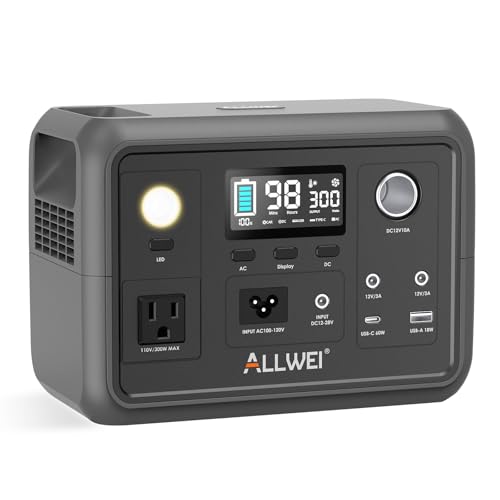
To assemble a comprehensive car emergency kit for survival situations, begin with a robust first aid kit that includes items like bandages, antiseptics, and other medical supplies. Include essential vehicle maintenance tools such as jumper cables, a spare tire, and a multi-tool for various repairs. Don’t overlook seasonal necessities: pack thermal blankets for winter survival and extra water and non-perishable food for summer outings. It’s crucial to regularly inspect and refresh your kit to ensure you’re prepared for any crisis that may arise. Additionally, keep cash on hand for emergencies and ensure all items are stored in a readily accessible location in your vehicle. Continue reading to uncover more strategies for enhancing your emergency preparedness and survival skills on the road.
Key Takeaways
- Begin with a well-stocked first aid kit that includes bandages, antiseptic wipes, gauze pads, and other essential medical supplies for immediate treatment in emergencies.
- Add vital vehicle maintenance tools such as heavy-duty jumper cables, a robust spare tire, and a reliable tire pressure gauge to ensure your vehicle remains operational in any situation.
- Customize your kit for various seasonal challenges by incorporating items like a sturdy ice scraper for winter travel or additional water supplies for summer heat and hydration needs.
- Consistently inspect and refresh your emergency kit to replace expired items and confirm that all supplies are functional and ready for use.
- Store your emergency kit in a strategic and easily accessible location, organizing contents by category to facilitate quick access during critical situations.
Importance of a Car Emergency Kit
When you’re on the road, having a car emergency kit isn’t just a convenience—it’s a vital component of your survival strategy. This kit equips you to handle unexpected situations like breakdowns or severe weather, significantly lowering stress and panic.
A well-stocked car emergency kit enhances your ability to tackle crises efficiently, aligning with the principles of survivalism and preparedness. Including a comprehensive first aid kit ensures that you can administer immediate care in case of injuries, which is critical in remote or isolated areas.
Regularly maintaining and updating your emergency kit not only prevents further vehicle damage but also improves your chances of successfully navigating emergencies. Knowing you have the essential tools and supplies readily available fosters confidence and resilience while traveling, empowering you to face any challenge head-on.
Essential Items to Include
When assembling your car emergency kit for survival situations, it’s crucial to include essential first aid supplies and vehicle maintenance tools.
A comprehensive first aid kit can help you address injuries promptly, while tools like a tire jack, jumper cables, and basic repair supplies are essential for keeping your vehicle operational in challenging conditions.
These items are vital not only for ensuring your safety but also for enhancing your preparedness and confidence in navigating unforeseen circumstances on the road.
First Aid Supplies
A comprehensive first aid kit is a crucial element of your vehicle’s emergency preparedness plan, ensuring you’re ready for minor injuries and medical crises.
Equip your kit with adhesive bandages in various sizes for cuts and scrapes, along with gauze pads and adhesive tape for more substantial wounds. Antiseptic wipes are essential for cleaning to prevent infection, while pain relievers like ibuprofen or acetaminophen can help manage discomfort.
Remember to include scissors and tweezers for removing splinters or cutting bandages. Additionally, a breathing barrier mask for CPR and instant cold packs for swelling are vital components.
Regularly inspect your first aid kit to ensure that all supplies are functional and up-to-date, reinforcing your readiness for any situation.
Vehicle Maintenance Tools
Vehicle maintenance tools are critical for survivalists and preppers, ensuring your vehicle remains operational and ready for any unforeseen circumstances. Including the right tools in your emergency preparedness gear can save you time and stress when you’re on the road. Here’s a quick guide to essential vehicle maintenance tools for your preparedness kit:
| Tool | Purpose | Importance |
|---|---|---|
| Jumper Cables | Revive a dead battery | Heavy-duty clamps for maximum safety |
| Spare Tire | Replace a flat tire | Regularly check inflation to avoid issues |
| Tire Pressure Gauge | Maintain ideal tire pressure | Improves fuel efficiency and safety |
| Portable Air Compressor | Quick tire inflation | Crucial for roadside emergencies |
| Basic Hand Tools | Perform minor repairs and adjustments | Multi-tool saves space and increases versatility |
Keep these vital items readily accessible to ensure smooth and safe travels in any situation!
Seasonal Considerations
When assembling your car emergency kit, it’s crucial to consider the seasonal and climatic conditions you might encounter.
In winter, ensure you include survival essentials such as an ice scraper, snow brush, and additional blankets for warmth.
For summer, prioritize hydration with extra water supplies and include sun protection items like sunscreen and hats.
Regularly review and adjust your kit to incorporate climate-specific tools and gear, ensuring you’re fully prepared for any survival situation that may arise while on the road.
Winter Weather Essentials
As winter weather can create treacherous driving conditions, having a well-equipped emergency kit is essential for your survival and preparedness.
Include an ice scraper and snow brush to maintain clear visibility through your windows. A foldable shovel can be invaluable for digging your vehicle out of snow drifts, while sand or cat litter can provide crucial traction for tires stuck in ice.
Don’t forget to pack thermal blankets to retain body heat in case you become stranded, and include hand warmers for immediate warmth during prolonged exposure to the cold.
With these essential items, you’ll be better equipped to navigate winter challenges and ensure your safety on the road.
Summer Heat Preparations
Preparing for summer heat is a critical component of survivalism and prepping, just as essential as winter weather preparations. To ensure your readiness for any situation, pack at least a gallon of water per person each day to prevent dehydration and maintain optimal hydration levels.
Include non-perishable snacks like granola bars and trail mix for energy, especially if you find yourself stranded or in a survival scenario.
Consider investing in a portable fan or cooling towels to help manage heat stress while awaiting assistance or working on your survival strategy. Additionally, reflective sunshades are vital for keeping your vehicle’s interior cooler, which can be a lifesaver during prolonged exposure to high temperatures.
Don’t overlook the importance of vehicle maintenance; regularly check your tire pressure and tread depth, as hot weather significantly increases the risk of blowouts.
Stay vigilant and prepared during the summer months to ensure your safety and success in any situation you may encounter!
Climate-Specific Tools
Understanding the specific climate you’ll be traversing is crucial for assembling a comprehensive car emergency kit, especially for survivalists and preppers. Climate-specific tools not only enhance safety but also prepare you for unique challenges that may arise during your journey.
| Climate | Recommended Survival Tools |
|---|---|
| Winter | Ice scraper, snow brush, thermal blankets, hand warmers, foldable shovel, emergency food rations, portable heater |
| Hot Weather | Water supplies, sun protection gear, reflective sunshades, hydration packs, cooling towels |
| Icy Conditions | Sand or cat litter for traction, emergency flares, high-visibility vests, extra blankets |
Being equipped with the right tools can make all the difference in ensuring your safety and preparedness in any climate.
Maintenance of the Kit
Maintaining your car emergency kit is a critical aspect of survivalism and prepping, as you can never predict when an emergency may arise.
Regularly check expiration dates on food, water, and medical supplies to ensure everything remains safe and usable. Promptly replace any expired or utilized items to uphold the kit’s effectiveness.
Store the kit in an easily accessible location, such as the trunk or beneath a seat, for quick retrieval during a crisis. Organize contents by category—medical supplies, tools, food, and survival gear—to facilitate access in high-pressure situations.
Review and update the kit seasonally, adding thermal blankets for winter and extra water for summer, tailoring it to align with current weather conditions and potential emergencies.
Being prepared is the key to survival, so make maintaining your kit a priority.
Additional Resources
While you may have a well-stocked car emergency kit, accessing additional resources can significantly enhance your readiness for any situation.
Explore reputable suppliers like Emergency Disaster Systems for high-quality emergency preparedness gear. You can also review curated selections of survival kits online, which often include essentials tailored to specific scenarios.
Stay informed by visiting organizations like the Red Cross for best practices and training. Mobile apps can provide emergency contact numbers and local resources, ensuring you remain safe while on the road.
Additionally, familiarize yourself with your kit’s tools by reading manuals or watching instructional videos to ensure effective responses during emergencies.
Embrace a proactive approach to survivalism and prepping to maximize your preparedness in any unforeseen circumstance.
Types of Emergencies Addressed
A well-stocked car emergency kit is essential for anyone committed to survivalism and prepping, as it prepares you for various unexpected situations on the road.
Mechanical failures, such as dead batteries or flat tires, can be managed independently with the right tools, including jumper cables and tire repair kits.
In severe weather conditions, having supplies like blankets, water, and non-perishable food ensures your safety and comfort until help arrives or until you can proceed.
If you encounter an accident, a comprehensive first aid kit enables you to address injuries swiftly and effectively.
Additionally, being equipped with extra supplies allows you to assist stranded motorists, fostering a sense of community preparedness and safety for everyone involved.
Being prepared not only saves time but also minimizes costly roadside assistance fees, aligning with the principles of self-reliance and readiness that define survivalism.
Financial Preparedness in Emergencies
When emergencies strike, having cash on hand can be a crucial part of your survival strategy. Financial preparedness is essential for preppers, and it’s advisable to carry at least $50 to $100 in small denominations. This ensures you can access essential services, barter, or make purchases even when electronic payments fail.
If you’re venturing into remote or unfamiliar areas, consider carrying local currency, as ATMs may not be available or reliable. Store your cash in a secure yet easily accessible location, such as a hidden compartment in your vehicle or a concealed pouch on your person.
Regularly check and replenish your supply, especially before long trips or expeditions into uncharted territory. This proactive approach will help you maintain peace of mind and readiness for any emergency situation that may arise.