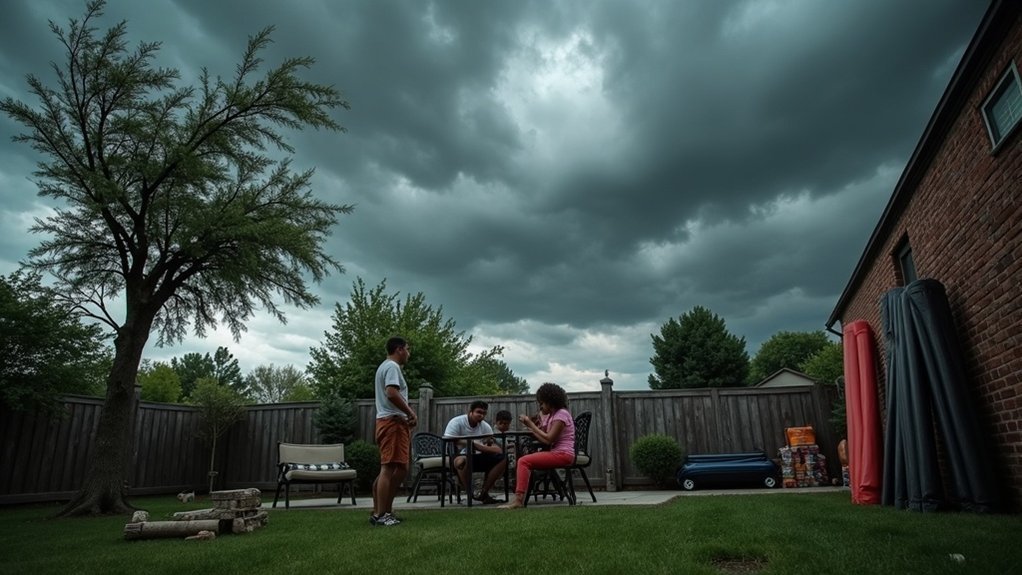
To create a family survival plan, start by identifying your family’s core values and shared preparedness goals. Set specific objectives for emergency supplies and self-sufficiency, involve everyone in developing survival skills, and build an emergency fund covering 3-6 months of living expenses. Assess your insurance options to protect against unforeseen events, and establish long-term strategies for food storage, renewable energy, and alternative means of communication. Finally, schedule regular drills and reviews of your plan to adjust as necessary. Want to find out more about enhancing your family’s preparedness for any situation?
Key Takeaways
- Involve all family members in discussions to establish shared survival goals and core values that promote unity and a preparedness mindset.
- Create a budgeting plan that tracks expenses, prioritizes emergency savings, and allocates funds for essential survival supplies and gear.
- Assess and select appropriate insurance policies that ensure comprehensive coverage against emergencies and unforeseen events that could threaten your family’s safety.
- Schedule regular family meetings to review progress on survival goals, adjust plans based on new information, and ensure everyone is informed and engaged in the prepping process.
- Develop emergency preparedness strategies, including food storage techniques, building emergency kits tailored for various scenarios, and training for critical survival skills to enhance family resilience.
Importance of a Family Plan
When you create a family survival plan, you’re not just outlining goals—you’re fostering a sense of unity and shared purpose among all family members. This plan helps everyone understand collective aspirations while emphasizing core values that are critical for your family’s resilience and preparedness.
By establishing a family emergency schedule, you ensure that childcare and other responsibilities are managed efficiently, reducing stress and improving harmony during times of crisis. The framework also allows for regular evaluations, enabling you to assess your family’s preparedness and adapt to changing circumstances.
Ultimately, a family survival plan serves as a navigational tool, guiding you through life’s challenges while keeping your family focused, aligned, and ready to respond effectively to emergencies.
Setting Financial Goals
Setting financial goals is crucial for effective budgeting, savings, and investment strategies, especially in the context of survivalism and prepping.
Begin by identifying your short-term and long-term needs for preparedness, such as food storage, emergency supplies, and self-defense resources.
Ensure that every family member is aligned with these objectives, fostering a sense of responsibility and teamwork.
Budgeting for Family Expenses
Creating a budget for your family’s expenses is essential for achieving financial stability and ensuring preparedness for unforeseen circumstances. To effectively manage your budget while embracing a survivalist mindset, involve all family members in the planning process.
Here are some key points to contemplate:
- Track all family expenses, including essential supplies such as food, water, and emergency gear.
- Aim to save 3-6 months’ worth of living expenses for emergencies, as well as additional funds for survival supplies.
- Evaluate childcare options and factor their costs into your budget, ensuring you can maintain your preparedness plan.
- Review workplace benefits to maximize financial efficiency, allowing you to allocate more resources towards your prepping goals.
Savings and Investment Strategies
Building on your family’s preparedness efforts, establishing clear savings and investment strategies can significantly enhance your financial resilience.
Start by setting specific savings goals for essential survival needs, like emergency supplies or a bug-out location, with a timeline to achieve them within five years.
Consider investing in tangible assets, such as gold or silver, which can serve as a hedge against economic instability.
Diversify your investments across essential resources, like food storage, renewable energy solutions, and self-defense training to mitigate risks.
Regularly review and adjust your strategies to align with changing priorities and potential crises.
Utilize budgeting tools to track progress, ensuring you stay on course with your preparedness goals while adhering to your Privacy Policy.
Budgeting for New Expenses
As your family grows, it’s crucial to monitor all expenses closely, particularly new costs like childcare and baby supplies.
Regularly assessing your childcare options can help you find the most cost-effective solutions that align with your prepping strategy.
Additionally, establishing an emergency fund is vital for creating a safety net against unexpected expenses, ensuring you’re financially and practically prepared for any challenges that may arise in uncertain times.
Prioritizing survivalism in your budgeting won’t only help you manage immediate costs but also bolster your overall preparedness for the future.
Track Family Expenses Regularly
Tracking family expenses regularly is crucial for ensuring your household is prepared for unexpected situations, especially as new costs arise from changes in family dynamics or emergencies.
To effectively manage your finances in a survivalist context, consider the following:
- Monitor all expenditures, including essentials like food storage, emergency supplies, and preparedness training.
- Adjust your budget to accommodate changes in income and expenses as your family’s needs evolve, particularly in relation to self-sufficiency.
- Regularly review spending habits to identify areas where you can allocate more resources towards prepping initiatives.
- Utilize budgeting tools like spreadsheets or finance apps to gain better visibility of your financial situation and ensure you’re prepared for any eventuality.
Evaluate Child Care Options
After keeping a close eye on your family expenses, it’s time to tackle another significant area of your survival budget: childcare options. Just like prepping for emergencies, childcare costs can vary widely, so evaluate what’s feasible for your family in times of uncertainty. Compare daycare centers and in-home care to find the best fit that aligns with your lifestyle and values. Don’t forget to research subsidies or community programs that could ease financial strain, allowing you to allocate resources for essential supplies.
| Childcare Type | Estimated Monthly Cost |
|---|---|
| Daycare Center | $800 – $1,500 |
| In-Home Care | $200 – $1,000 |
| Family Member Care | $0 – $500 |
| Subsidized Care | Varies |
Regularly adjust your budget to reflect these expenses, ensuring you maintain a balance between childcare and your preparedness goals.
Build Emergency Fund
Building an emergency fund is crucial for your family’s preparedness and survival, especially when unexpected situations arise. Aim to save 3-6 months’ worth of living expenses to provide a buffer against surprises like medical emergencies or job loss.
Consider the following strategies:
- Regularly assess and update your budget to accommodate new family expenses (such as food supplies, utilities, and potential medical costs).
- Utilize budgeting tools and apps to track spending and identify areas where you can save for your emergency fund.
- Establish a high-yield savings account for your emergency fund to not only save but also earn interest.
- Periodically review your fund to ensure it aligns with your family’s evolving financial needs and any potential crises.
Staying proactive in building your emergency fund can significantly enhance your family’s resilience and security in uncertain times.
Building an Emergency Fund
When unexpected expenses arise, having an emergency fund can provide peace of mind and financial stability for your family, especially in a survivalist context.
Aim to save 3-6 months’ worth of living expenses in a secure and accessible savings account, or consider diversifying your fund into tangible assets. Regularly contribute a fixed percentage of your income to build this fund over time, while also considering essential supplies and gear for emergencies.
Anticipate future costs like medical bills, food shortages, and childcare when determining your target. Review and adjust your emergency fund periodically to reflect changes in your family’s financial situation and the evolving threats in the environment.
Use budgeting tools and apps to track your progress and stay disciplined in your contributions, ensuring you’re fully prepared for life’s uncertainties and potential crises.
Assessing Insurance Options
To ensure your family’s preparedness for any situation, it’s essential to assess your insurance options with a survivalist mindset.
Consider these key factors:
- Evaluate health insurance policies, emphasizing coverage for emergencies and critical care to avoid unexpected expenses during a crisis.
- Determine the right life insurance coverage, whether term or whole life, to secure your family’s future in case of unforeseen events.
- Regularly compare different providers to find the best rates and benefits that align with your survival goals and needs.
- Consult with a financial advisor who understands the implications of various insurance products to provide comprehensive protection in a survival scenario.
Long-Term Savings Strategies
Preparing for the future involves more than just evaluating your insurance options; it requires implementing long-term savings strategies that ensure your family’s financial security in uncertain times. Start by establishing a 529 college savings plan to secure tax-free growth for education. Aim to allocate at least 15% of your income to retirement accounts to provide comfort and stability in your later years. Building an emergency fund that covers 3-6 months of expenses is crucial for weathering unexpected challenges. Additionally, consider high-yield savings accounts or CDs to maximize your returns on savings, allowing you to maintain a robust financial position.
| Strategy | Benefit |
|---|---|
| 529 College Plan | Tax-free growth for education |
| Retirement Accounts (401(k)) | Financial security in retirement |
| Emergency Fund | Protection against unforeseen events |
| High-Yield Accounts | Enhanced returns on savings |
Regularly Reviewing the Family Plan
Regularly reviewing your family survival plan is crucial for ensuring it aligns with your current preparedness goals and values, especially as circumstances evolve.
Schedule these reviews during family meetings or gatherings to promote active participation. Focus on these key areas:
- Assess progress on established survival goals, such as food storage, emergency kits, or training.
- Identify areas needing more focus or adjustment, such as skill development or resource acquisition.
- Document changes to maintain clarity and accountability, ensuring everyone knows their roles and responsibilities.
- Incorporate feedback from all family members to foster a sense of ownership and commitment to the plan.
Aim for a structured approach with quarterly or biannual reviews to ensure your family survival plan remains relevant and effective, enhancing cooperation and teamwork among all members in your preparedness efforts.