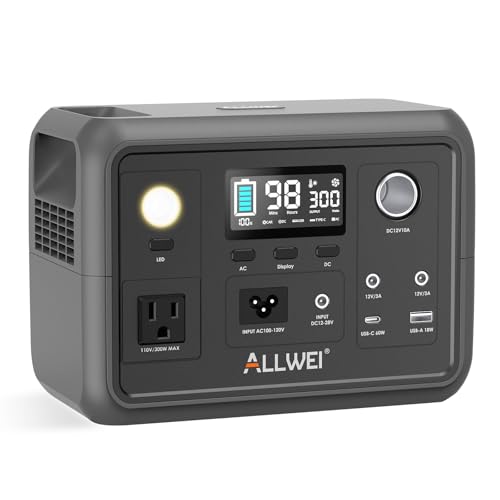
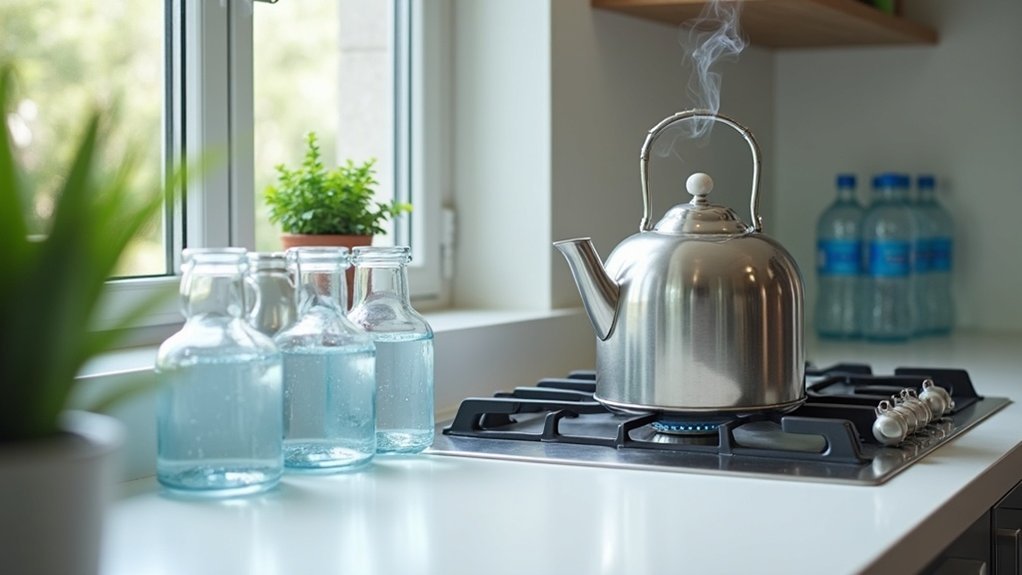
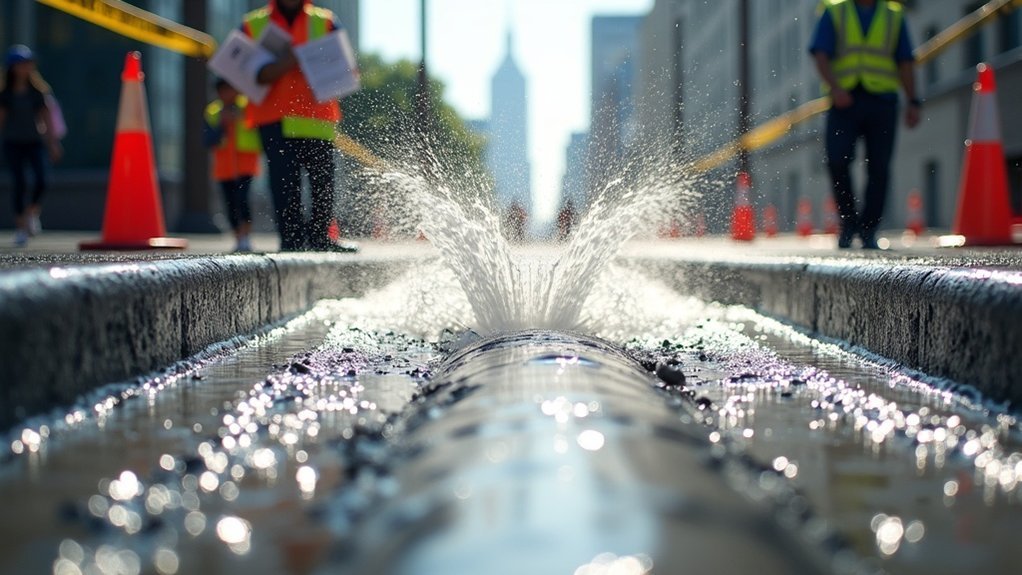
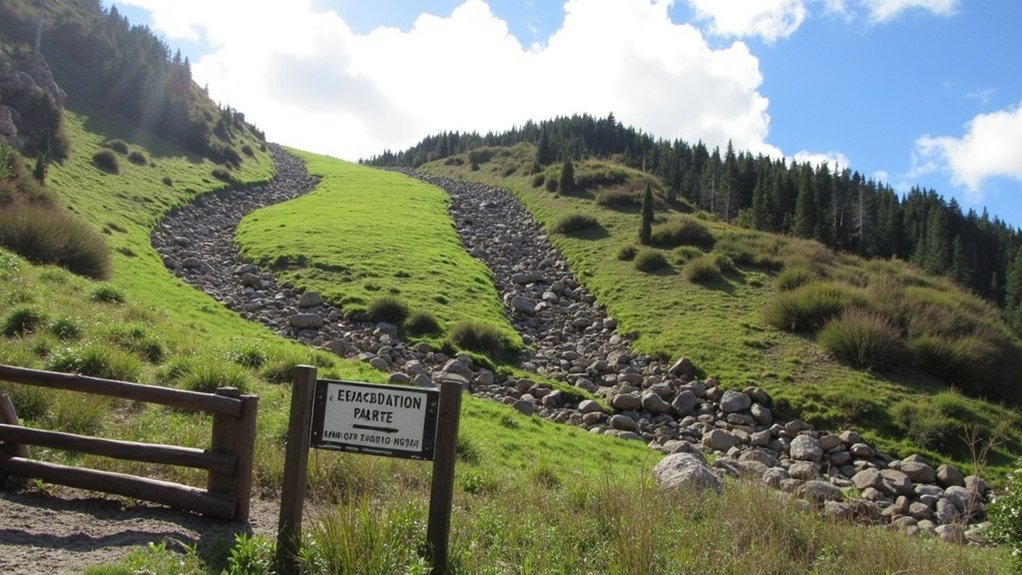
To become a prepper, begin by securing at least two weeks’ worth of non-perishable food and 14 gallons of clean water to ensure you can sustain yourself during emergencies. Assemble a personalized Bug Out Bag filled with essential items such as a reliable flashlight, a comprehensive first aid kit, and crucial survival gear. It’s also important to establish an emergency fund that can provide financial support during crises. Develop basic survival skills, such as foraging, fire-making, and shelter-building, and engage with your local community for mutual support and resources. Tailor your prepping strategies to address the specific risks in your area, whether they be natural disasters, economic instability, or other threats. By taking these proactive steps, you’ll enhance your preparedness for unforeseen emergencies, and there’s a wealth of knowledge to continue exploring in the world of survivalism and prepping!
Key Takeaways
- Evaluate the specific risks in your region and formulate a tailored emergency plan to effectively respond to potential disasters.
- Stockpile a minimum of two weeks’ worth of non-perishable food items and clean water, while ensuring proper rotation and safe storage practices.
- Assemble a comprehensive Bug Out Bag filled with vital survival gear, including a reliable flashlight, versatile multi-tool, and essential first aid supplies.
- Cultivate fundamental survival skills such as fire-starting, navigation, and foraging, which will greatly improve your self-reliance in times of crisis.
- Connect with local prepper communities to exchange knowledge, seize training opportunities, and share resources, thereby enhancing your overall preparedness.
Understanding the Basics of Prepping
When you think about prepping, it’s essential to understand that it’s more than just stockpiling supplies; it’s about developing a comprehensive strategy to handle emergencies effectively.
Begin by securing at least two weeks’ worth of non-perishable food and clean water to prepare for potential shortages. Acquiring first aid skills is crucial, as it empowers you to handle injuries during crises.
Securing two weeks of non-perishable food and clean water, along with first aid skills, is essential for crisis preparedness.
Personalizing your Bug Out Bag with critical items like a reliable flashlight, water purification tablets, and a well-stocked first aid kit is vital. Regularly updating this bag ensures you’re ready for swift evacuations when necessary.
Additionally, mental preparedness plays a key role—maintaining calm and focus during challenging situations is essential for survival.
Financial Preparedness for Emergencies
Financial preparedness is a critical component of your survival strategy, ensuring you can handle unexpected expenses without added pressure during emergencies. Begin by creating a robust emergency fund of at least $1,000. Next, strive to save enough to cover three to six months’ worth of living expenses, providing you with financial stability in times of crisis. Maintaining a detailed budget is essential for tracking your expenditures, allowing you to pinpoint areas where you can cut back to allocate resources for prepping essentials. Consider bulk purchasing for your emergency supplies, prioritizing cost-effective and long-lasting items that will keep you well-equipped.
| Action Item | Goal | Notes |
|---|---|---|
| Emergency Fund | $1,000 | Your first line of defense |
| Savings Goal | 3-6 months’ expenses | Ensures stability during crises |
| Budget Maintenance | Monthly tracking | Spot saving opportunities |
| Bulk Purchasing | Lower overall costs | Build a stockpile of essentials |
Building Your Two-Week Supply Kit
To build your two-week supply kit for survival situations, start by gathering essential food items and at least 14 gallons of water.
Prioritize non-perishable options such as canned goods, dried fruits, and freeze-dried meals to ensure long-lasting sustenance.
Additionally, create a comprehensive checklist of critical emergency supplies, including a first aid kit, flashlights, batteries, and multi-tools.
This proactive preparation will equip you to handle any challenges that arise in uncertain times.
Essential Food Items
As you prepare to build your two-week food supply kit for survival situations, it’s crucial to focus on non-perishable items that provide essential nutrients and have a long shelf life.
Prioritize high-protein canned meats, legumes, grains, and freeze-dried meals, which are vital for maintaining energy and strength during emergencies. Include a variety of canned vegetables, pasta, rice, and dried fruits to ensure a balanced diet.
Calculate your calorie needs—typically 2,000 to 2,500 calories daily for adults—and verify that your food supply meets these requirements.
Don’t overlook snacks and comfort foods like granola bars and instant oatmeal, which can boost morale during tough times.
Regularly rotate your stock, using older items first, to maintain a sustainable food supply and ensure you’re always prepared for potential natural disasters.
Water Storage Solutions
Food isn’t the only necessity when building your two-week supply kit; having a reliable water source is just as crucial for survivalist preparedness.
Store a minimum of 14 gallons of clean drinking water per person using food-grade plastic containers or specialized water storage barrels to prevent contamination.
Include water purification tablets or advanced filtration systems in your emergency kit to ensure safe drinking water if supplies run low.
Consider implementing rainwater collection systems with barrels for cooking, cleaning, and additional water needs.
Remember to regularly rotate and replace stored water every six months, keeping your supply fresh and ready for use when you need it most.
In a survival situation, having a dependable water source can make all the difference.
Emergency Supply Checklist
A well-prepared emergency supply checklist is crucial for anyone serious about survivalism and prepping.
Begin by assembling a robust two-week supply kit. Prioritize the essentials: at least 14 days’ worth of food and water, with one gallon of water per person per day.
Ensure you include critical supplies to equip yourself for any situation:
- Non-perishable food options (canned goods, freeze-dried meals, MREs)
- Comprehensive first aid kit stocked with necessary medications and survival gear
- Personal hygiene products to maintain health and morale
- Reliable light sources (flashlights with extra batteries, candles, headlamps)
- Portable heat sources (camp stoves, thermal blankets)
Regularly review and update your kit to ensure food remains fresh and supplies are organized and accessible.
Essential Items for Your Bug Out Bag
When packing your bug-out bag, ensure it contains essential survival gear such as a comprehensive first aid kit, a reliable multi-tool, and an emergency blanket.
Tailor the contents to meet your family’s specific needs, including any necessary medications and comfort items.
Must-Have Survival Gear
Survival gear is the backbone of your bug-out bag, ensuring you’re prepared for any emergency situation.
As a survivalist or prepper, it’s crucial to have essential items that cover your basic needs and enhance your survival skills. Here’s what to include:
- One gallon of drinking water per person per day to stay hydrated in crisis situations.
- A comprehensive first aid kit to address injuries and medical emergencies.
- A dependable multi-tool and fire starter for various tasks and fire-making capabilities.
- Lightweight shelter options, such as a mini tent or emergency blanket, to provide protection from the elements.
- Personal hygiene products, including wet wipes and hand sanitizer, to maintain health and sanitation.
These items will help you stay safe and healthy as you navigate to your bug-out location.
Always remember to customize your gear based on your unique needs and the specific scenarios you may encounter!
Personalization for Individual Needs
Personalizing your bug-out bag is crucial for survivalism and prepping, ensuring you have the gear that aligns with your unique needs and preferences.
Begin by packing two days’ worth of food that suits your dietary requirements, whether that’s high-energy snacks or freeze-dried meals designed for long-term storage. Equip your bag with essential survival tools tailored to your skill level—consider a multipurpose knife, a reliable fire starter, and a comprehensive first aid kit.
Don’t overlook the importance of a change of clothes and sturdy footwear to prepare for unpredictable conditions. Additionally, include a dependable communication device, such as a satellite phone, to maintain contact in emergencies.
Lastly, make it a habit to regularly update your bag, reflecting your evolving circumstances and resources to stay prepared for any situation.
Water Storage and Purification Techniques
Although many individuals may underestimate the importance of water storage, it’s a critical component for anyone serious about survivalism and prepping.
Start by ensuring you have at least 14 gallons of clean drinking water per person for emergency situations. To bolster your supply, consider implementing these strategies:
- Install rainwater collection systems, such as barrels, to harness nature’s resources.
- Equip your survival kit with water purification tablets and reliable filtration systems.
- Anticipate the loss of running water by familiarizing yourself with treatment methods, including boiling or using chemical purifiers.
- Regularly rotate and replenish your water supply every six months to maintain freshness.
- Continuously monitor your storage for signs of stagnation or contamination.
Learning Core Survival Skills
Water is just one piece of the puzzle when it comes to prepping for emergencies. Learning core survival skills is essential, especially during a natural disaster.
Master basic first aid techniques like CPR and wound care; these can be lifesavers when help isn’t available. Develop fire-starting methods, such as flint and steel, for warmth and cooking.
Mastering first aid and fire-starting methods is crucial for survival when help is out of reach.
Familiarize yourself with edible plants and foraging to ensure food security. Practice navigation using a map and compass to find your way when technology fails.
Finally, learn shelter-building techniques to protect yourself from the elements. Create a comprehensive survival plan, and don’t forget to stock up on hygiene products to maintain health in challenging situations!
Engaging With Your Community for Support
How can you effectively prepare for emergencies without the support of your community? Engaging with your neighbors can significantly enhance your survivalism efforts.
Here’s how to build a network that strengthens your preparedness:
- Identify reliable individuals who share an interest in survivalism for emergencies.
- Share insights about local risks and effective prepping strategies tailored to self-sufficiency.
- Offer assistance and resources to build trust and foster collaboration within your network.
- Participate in community preparedness events or workshops focused on survival skills and techniques.
- Utilize online forums and social media groups dedicated to prepping to exchange ideas, resources, and best practices.
Tailoring Your Prepping Strategies to Local Risks
Building a strong network within your community is essential for survivalism, as it allows you to gather valuable insights into local risks and tailor your prepping strategies accordingly.
Start by identifying common natural disasters in your area, such as wildfires, floods, or blizzards. Research local emergency management resources to understand recommended supplies and actions specific to your region.
Create a customized bug-out bag that addresses these threats, ensuring you’re equipped to meet your needs during emergencies. Engage with local prepper groups to share strategies, knowledge, and experiences, and regularly review and practice your emergency plans with them.
Stay proactive, as climate changes may impact local risks; therefore, it’s crucial to frequently update your supplies and plans to adapt to evolving circumstances.