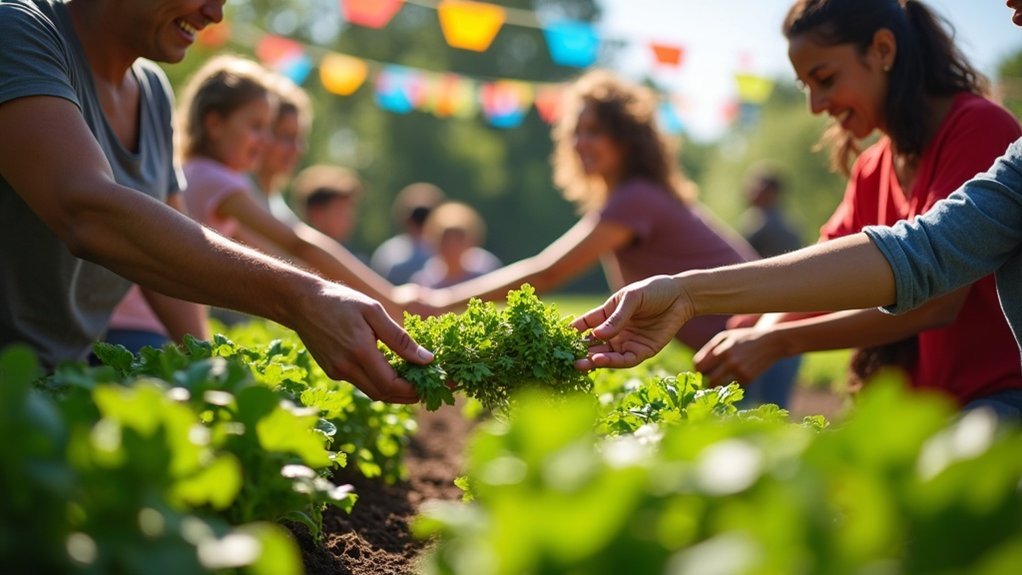
A mutual aid group is a community-driven initiative where you and your neighbors collaborate to share resources, skills, and support, promoting resilience and self-sufficiency in the face of challenges. This cooperative model emphasizes equal decision-making power among members, ensuring that everyone’s voice is heard. These groups are particularly vital in times of crisis, allowing for rapid mobilization to meet urgent needs such as food, medical supplies, and preparedness training. If you’re interested in learning how to start a mutual aid group or exploring its benefits for survivalism and prepping, keep reading to discover valuable insights!
Key Takeaways
- A mutual aid group is a survival-oriented community network that shares resources and skills to enhance resilience during crises and emergencies.
- It operates on principles of solidarity, collective action, and non-hierarchical decision-making, which are crucial for effective preparedness.
- Members provide unconditional support to each other, focusing on vital necessities like food storage, medical supplies, and survival training.
- Mutual aid groups empower marginalized communities and address systemic inequalities through grassroots initiatives, ensuring everyone has access to essential survival resources.
- They strengthen social ties and foster preparedness, particularly during emergencies when traditional support systems may fail, making them an invaluable aspect of the survivalist community.
Definition of Mutual Aid
Mutual aid is a vital aspect of survivalism and prepping, where communities unite to bolster each other’s resilience through the voluntary exchange of resources and skills.
This concept highlights solidarity and cooperation for mutual benefit, rather than relying on conventional charity. By sharing resources unconditionally, you enhance the strength of your community, particularly in times of crisis when traditional support systems may falter.
Solidarity and cooperation through mutual aid empower communities, especially when traditional support systems break down in times of crisis.
Historical examples, like the Black Panther Party’s free breakfast program, illustrate the power of mutual aid—providing food and nourishment to over 20,000 children in a year.
When you participate in mutual aid, you help build a self-sustaining network that equips everyone to face challenges together, fostering a resilient community prepared for any situation.
Historical Context of Mutual Aid
To truly grasp the evolution of mutual aid, it’s essential to examine its historical roots and the significant events that have influenced its development.
From Kropotkin’s theories to the proactive measures taken by survivalist communities, mutual aid has always been a response to crises and the needs of self-reliant individuals.
As you delve into these pivotal moments, you’ll see how this grassroots approach not only supports preparedness but also fosters resilience in the face of societal challenges.
Today, mutual aid continues to be a vital component of survivalism and prepping, ensuring that communities can thrive in any situation.
Evolution of Mutual Aid
While many might associate mutual aid with modern movements, its roots run deep in history, woven into the fabric of resilient communities. Mutual aid has evolved through solidarity, addressing urgent needs when systems fail, which is central to survivalism and prepping.
The Black Panther Party’s breakfast program, serving thousands, exemplified community members coming together for food security. Similarly, after Hurricane Katrina, the Common Ground collective mobilized thousands for disaster relief, emphasizing the importance of preparedness in times of crisis.
From the 1800s to today, mutual aid societies in marginalized communities have provided essential support, ensuring that members are equipped to face challenges. The COVID-19 pandemic reignited these efforts, proving that cooperation is crucial not just for survival, but for thriving in uncertain times.
Historical Examples and Impact
Throughout history, communities have turned to mutual aid as a vital strategy for survival in the face of adversity, demonstrating the significant impact of collective action in preparation for uncertain times.
Historical examples, such as the Black Panther Party’s free breakfast program and the Common Ground collective in the aftermath of Hurricane Katrina, illustrate the strength of mutual aid networks in addressing immediate community needs, from food scarcity to disaster recovery.
During the AIDS crisis, LGBT+ communities banded together in solidarity, providing essential care and support when government assistance was lacking.
Similarly, the COVID-19 pandemic saw the rapid emergence of local mutual aid groups, underscoring the importance of preparedness and cooperation.
These instances highlight that when united, communities can effectively navigate challenges and enhance their resilience against future adversities.
Mutual Aid in Crises
As communities face crises, mutual aid often springs to life, providing essential support when government resources fall short. You might recall how groups like the Common Ground collective emerged after Hurricane Katrina, mobilizing thousands to address urgent community needs.
During the COVID-19 pandemic, grassroots mutual aid initiatives organized swiftly to deliver food and PPE, showcasing the power of solidarity. Historical responses, such as the Black Panther Party’s breakfast program, illustrate how mutual aid can uplift marginalized communities in times of social upheaval.
In the context of survivalism and prepping, these mutual aid efforts are crucial as they foster community resilience and ensure that everyone is equipped to handle emergencies together. By coming together, these mutual aid groups empower you to support one another and effectively tackle systemic inequalities while also preparing for future crises.
Principles of Mutual Aid
Mutual aid plays a crucial role in survivalism and prepping, grounded in the principle of solidarity, where individuals unite to support one another outside the confines of traditional charity.
This approach cultivates mutual support and strengthens communities through collective action, essential for preparedness and resilience in challenging times.
Cultivating mutual support through collective action is vital for building resilient communities prepared for challenging times.
- Non-hierarchical structures encourage equal decision-making power, allowing for diverse strategies in survival planning.
- Resources such as food, medical supplies, and shelter are shared unconditionally, ensuring that everyone has access to vital necessities.
- Building long-term relationships enhances community resilience, equipping groups to face emergencies and disasters together, far beyond just immediate needs.
How Mutual Aid Works
When communities face challenges, survivalist and prepping groups spring into action, creating networks of support that empower individuals to collaborate and share essential resources.
Operating on the principle of self-sufficiency, these member-led groups facilitate voluntary exchanges of supplies and skills among community members, addressing collective preparedness needs without relying on external institutions.
By prioritizing resilience, they focus on tackling the root causes of vulnerabilities and potential crises rather than providing conditional assistance.
Through decentralized structures, these prepping initiatives promote active participation, ensuring everyone has an equal voice in planning and resource allocation.
In doing so, they cultivate strength and enhance the survival capabilities of the community, making a lasting impact in times of uncertainty.
Examples of Mutual Aid Groups
Let’s explore some inspiring examples of mutual aid groups that are making a real difference in their communities, particularly in the realm of survivalism and prepping.
From providing food and medical assistance to those in need during emergencies to organizing resources for self-sufficiency in the face of natural disasters, these initiatives showcase the power of collective action.
You’ll see how these groups not only address immediate survival needs but also foster long-lasting community connections, ensuring that individuals are better prepared for any challenges that may arise.
Successful Initiatives Overview
As communities face various challenges, innovative mutual aid groups have emerged, demonstrating the power of collective support and resource-sharing.
These initiatives not only provide essential services but also foster resilience and preparedness among individuals:
- No More Deaths: Provides humanitarian aid to migrants at the Mexico-U.S. border, advocating for immigrant rights while emphasizing the importance of understanding survival strategies in challenging environments.
- Food Not Bombs: Rescues surplus food for free distribution, raising awareness about social justice and environmental sustainability, and encouraging communities to think critically about food storage and resource management.
- Neighborhood pods: Grassroots networks that help locals share resources and support each other in daily tasks, promoting skills exchange that can enhance self-sufficiency and preparedness.
These examples highlight how mutual aid not only strengthens community ties but also enhances survival skills and resilience during tough times.
Community Impact Stories
Survivalism and prepping have gained traction in communities as individuals and groups come together to ensure self-sufficiency and resilience in the face of emergencies. Mutual aid groups have played a pivotal role in this movement by fostering solidarity and addressing urgent needs through proactive measures.
For example, the Black Panther Party’s breakfast program not only fed over 20,000 children but also highlighted the importance of food security in times of crisis. Organizations like No More Deaths provide essential resources to migrants at the border, ensuring they’ve access to food and medical care, which is crucial for survival in challenging circumstances.
The COVID-19 pandemic saw a surge in grassroots initiatives, with countless volunteers stepping up to deliver groceries and vital support to those in need, reinforcing the importance of community networks in preparation for unforeseen events.
Food Not Bombs has consistently worked to combat poverty by redistributing recovered food, promoting self-reliance and sustainability. In New Orleans, the Common Ground collective mobilized thousands to assist residents in rebuilding after Hurricane Katrina, demonstrating the power of community-driven mutual aid in creating a more resilient society.
Through these efforts, communities are better prepared to face future challenges and ensure their survival.
Benefits of Mutual Aid
When a community comes together through mutual aid, it not only addresses immediate needs like food and healthcare but also lays the groundwork for resilience in times of crisis.
By fostering solidarity and shared responsibility, you contribute to a self-sufficient community prepared for any challenges. Here are some key benefits of mutual aid in a survivalist context:
- Quickly mobilizes resources during emergencies, such as food, water, and medical supplies distribution
- Empowers marginalized communities by challenging systemic inequalities and ensuring everyone has access to essential resources
- Strengthens social ties, creating lasting relationships and support networks that can be vital in times of need
Engaging in mutual aid isn’t just about giving; it’s about building a robust community where everyone can survive and thrive together.
Your involvement makes a significant difference in preparedness!
Challenges Faced by Mutual Aid Initiatives
While the spirit of mutual aid is rooted in community collaboration, several challenges can hinder its effectiveness, especially in the context of survivalism and prepping.
Limited access to technology can restrict participation and coordination among individuals preparing for emergencies. Miscommunication often arises, leading to confusion about available resources and essential needs.
Balancing diverse priorities within the community can create conflicts in resource allocation, making it difficult to support everyone’s preparedness efforts. Ensuring sustainability of these initiatives requires ongoing commitment and resources, which can be challenging to secure in times of crisis.
Additionally, systemic inequalities can obstruct efforts to build resilient communities, perpetuating vulnerabilities that preparedness initiatives aim to address. Overcoming these challenges is crucial for the success of mutual aid initiatives in the survivalist community.
How to Start a Mutual Aid Group
Starting a mutual aid group can be a powerful way to strengthen community ties and enhance preparedness, especially in the context of survivalism and prepping. To kick things off, consider these steps:
- Research existing initiatives to identify support gaps that could hinder your community’s resilience.
- Utilize the Mutual Aid 101 toolkit tailored for effective organizing in preparedness efforts.
- Map your community connections to build a robust support network focused on survival resources.
Engage with neighbors and local preparedness organizations to mobilize essential resources.
Create a clear communication plan to keep everyone connected and informed during emergencies.
Ultimately, educate yourself on mutual aid’s history and principles as they relate to survivalism to inform your strategies and deepen your group’s impact.
Together, you can create a resilient community ready to support one another in times of need.