Water purification is a crucial survival skill that involves removing harmful contaminants from water to ensure it’s safe for drinking. In the context of preparedness and survivalism, having access to clean water can be a matter of life and death, especially during emergencies or natural disasters when clean water sources may become scarce.
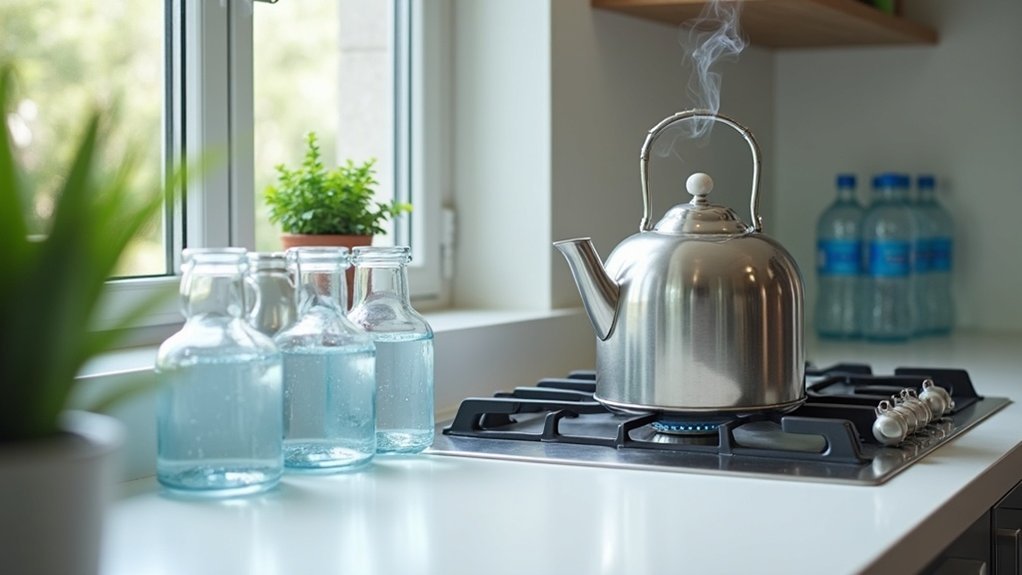
Methods such as filtration, boiling, and chemical treatments are vital techniques that can help you achieve safe drinking water standards in various situations. Understanding and mastering these techniques not only reduces health risks associated with waterborne diseases but also equips you with the knowledge needed to handle potential crises effectively.
Dive deeper into the various purification methods and their significance in your survival strategy to enhance your readiness for any situation that may arise.
Key Takeaways
- Water purification is an essential survival skill that involves removing harmful contaminants from drinking water to ensure its safety and quality.
- Common methods used by preppers include filtration, boiling, chemical treatments, and advanced techniques like reverse osmosis, which can be vital during emergencies.
- Effective water purification reduces health risks from waterborne diseases, making it crucial for survival in crisis situations.
- Access to clean water is vital for survival, as over 2.1 billion people globally lack reliable sources of safe drinking water, emphasizing the need for preparedness.
- Understanding water treatment processes enhances your readiness for emergencies and significantly improves your overall water safety.
Definition and Importance of Water Purification
Water purification is a crucial process for survivalists and preppers, ensuring that drinking water is free from harmful contaminants. In emergency situations, access to clean water can be a matter of life and death, making this process vital for maintaining health and well-being.
Water purification methods, such as filtration, boiling, and chemical treatments, are essential skills for anyone preparing for potential disasters. With millions of people facing water scarcity and contamination, understanding how to purify water can significantly reduce health risks associated with waterborne diseases.
Sources of Water and Treatment Goals
Understanding the various sources of water is crucial for survivalists and preppers, as each source presents unique challenges and treatment requirements.
Water sources like groundwater and surface water demand distinct approaches. Groundwater typically requires minimal treatment and can be a reliable option during emergencies, while surface water often necessitates extensive purification processes to eliminate biological contaminants and sediments.
Groundwater offers reliable, minimal treatment options, while surface water requires thorough purification to ensure safety.
Treatment goals focus on producing safe drinking water by reducing harmful contaminants to meet quality standards. Advanced water purification methods, such as reverse osmosis and distillation, are essential for addressing saline or heavily polluted sources, ensuring that you have access to clean water in any crisis situation.
Being prepared with knowledge and equipment for water purification is vital, especially amid the global water crisis.
Water Treatment Processes
Understanding how to treat water from various sources is crucial for survivalists and preppers aiming to ensure safe drinking water. Effective water treatment processes involve several key steps:
- Coagulation and Flocculation: Using chemicals like aluminum sulfate can help neutralize charges in water, forming floc that aids in sedimentation, making it easier to remove larger impurities.
- Filtration Techniques: Implementing methods such as membrane filtration helps eliminate particles larger than 0.2 micrometers, effectively targeting pathogens like giardia and cryptosporidium, which is essential for safe drinking water in emergency situations.
- Disinfection Methods: Techniques such as chlorination utilize chlorine to eradicate harmful microorganisms that may evade filters, ensuring the water is safe for consumption.
For those serious about preparedness, advanced methods like reverse osmosis and UV treatment can further enhance water quality, effectively addressing biological contaminants and ensuring compliance with health standards.
Being equipped with knowledge and tools for water treatment can significantly improve your chances of survival in any crisis.
Chemical Treatment Considerations
When considering chemical treatment in water purification for survival situations, it’s crucial to focus on pH adjustments, as they play a vital role in ensuring safe drinking water in emergency scenarios.
In a prepping context, you might utilize inorganic coagulants like aluminum sulfate during coagulation and flocculation processes to neutralize particle charges, enhancing the removal of suspended solids from collected water sources.
Utilizing inorganic coagulants like aluminum sulfate can significantly improve water clarity by removing suspended solids.
Managing pH levels can help reduce water hardness by allowing calcium and magnesium carbonates to precipitate, which is particularly useful when dealing with hard water from natural sources.
In survival situations, forced draft degasifiers can effectively remove dissolved carbon dioxide, raising pH and aiding in chemical conditioning of your water supply.
Regular monitoring of alkalinity is essential to decrease water’s corrosiveness, which minimizes the risk of metal leaching from improvised plumbing systems.
Preparing for these chemical treatment processes ensures that you can maintain a safe and reliable water supply in any survival scenario.
Global Access to Clean Water
Access to clean water is a critical concern for survivalists and preppers, as over 2.1 billion people around the world lack reliable sources for safe drinking water. This scarcity can lead to significant health challenges, especially when preparing for emergencies or disasters.
Key issues include:
- Contamination: Many individuals depend on unprotected surface water sources, increasing the risk of exposure to harmful pathogens. Preppers must understand the importance of testing and purifying water sources in any survival situation.
- Sanitation: Insufficient sanitation facilities can exacerbate water quality issues. It’s vital to have strategies in place for water purification and sanitation to ensure safe consumption.
- Infrastructure: Building and maintaining sustainable water purification systems are essential components of any prepping plan. Investing in portable water filters or purification tablets can greatly enhance your readiness.
Improving access to safe drinking water isn’t just a public health issue; it’s a fundamental aspect of survival. The World Health Organization reports that unsafe water is linked to 88% of annual diarrhea cases, which can be particularly devastating in crisis situations, impacting vulnerable populations like children.
Prepping for clean water access is crucial for ensuring the well-being of your family during any unforeseen events.