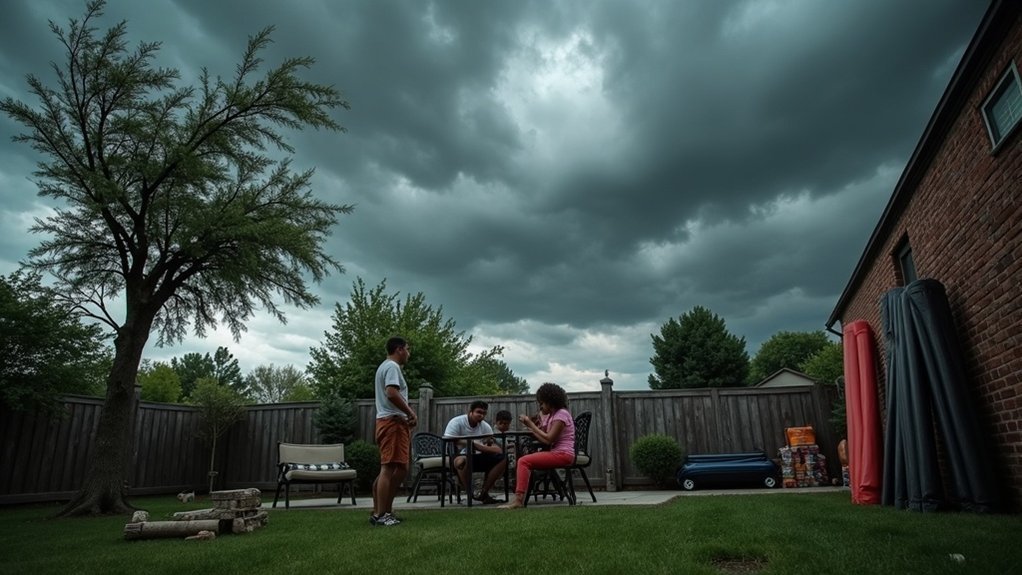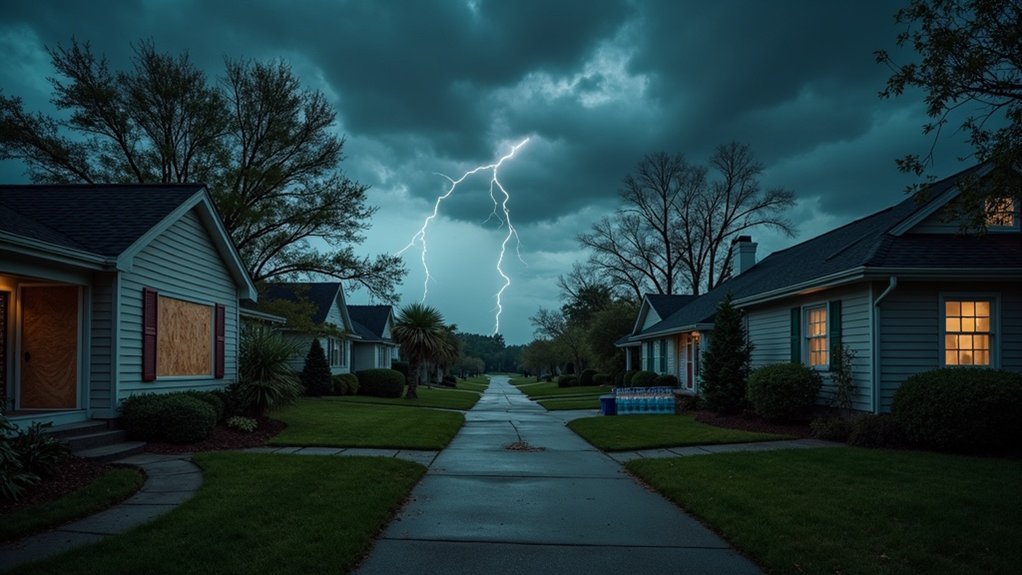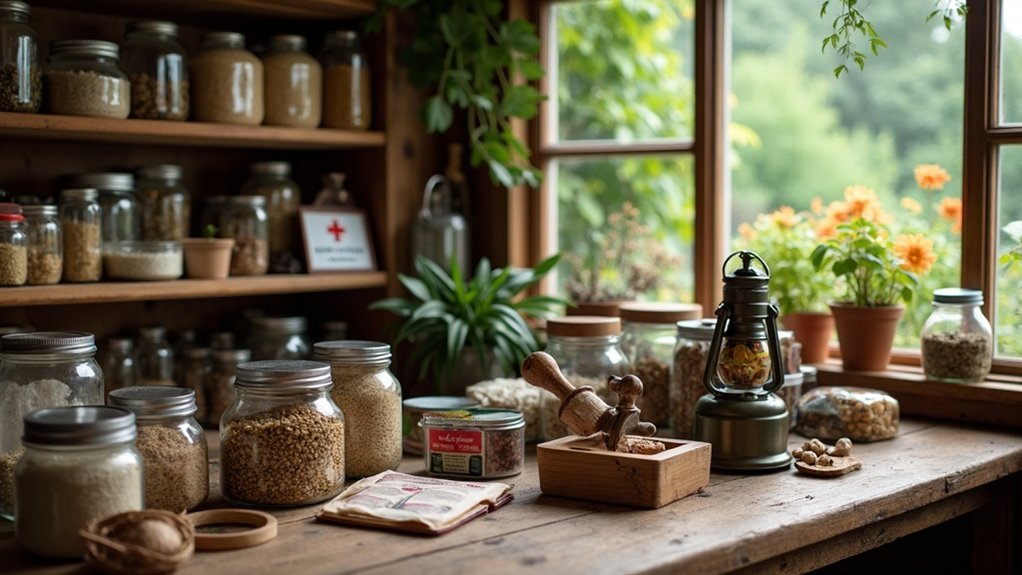
Prepping is the proactive approach to preparing for emergencies and unexpected crises, rooted in the principles of survivalism. It emphasizes self-reliance and resilience, focusing on vital areas such as food and water storage, essential skills, and building strong community networks. By organizing supplies and acquiring knowledge, you can significantly reduce your vulnerability during disasters and enhance your chances of survival. It’s not merely about stockpiling; it’s about being ready and adaptable to any situation. If you’re interested in the foundational pillars of prepping and its historical context, there’s a wealth of information to delve into.
Key Takeaways
- Prepping is a proactive approach to survivalism, emphasizing self-reliance and resilience in the face of unexpected challenges and emergencies.
- It encompasses three key pillars: food and water storage, skills and training, and community networking to enhance survival chances.
- Levels of prepping vary from basic emergency preparedness to achieving an off-grid lifestyle, showcasing different degrees of self-sufficiency.
- Modern prepping has evolved from historical fears and has gained popularity post-9/11 and during the COVID-19 pandemic, reflecting societal concerns about safety and self-sustainability.
- The future of prepping is centered around adaptability, community support, and knowledge sharing to effectively tackle emerging threats and enhance survival strategies.
What Is Prepping?
Prepping is more than just a trend; it’s an essential practice for anyone looking to navigate emergencies effectively. It involves proactive preparedness, where you stockpile supplies, develop survival skills, and create plans for potential disasters.
With around 73% of Americans recognizing its importance, prepping emphasizes self-reliance and resilience. You’ll gather non-perishable food, clean water, first aid kits, and survival gear to ensure your safety during crises.
Contrary to popular belief, prepping isn’t just about apocalyptic scenarios; it’s about being ready for everyday emergencies. Embrace fundamental survivalism to protect yourself and your loved ones from unexpected challenges ahead.
The Three Pillars of Prepping
When it comes to survivalism and prepping, understanding the three pillars—food and water storage, skills and training, and community networking—is essential.
Each pillar fortifies your ability to navigate emergencies effectively, ensuring you’re not facing challenges in isolation.
Food and Water Storage
Food and water storage is a vital component of survivalism and prepping, ensuring that you’re equipped with the essentials to sustain yourself and your loved ones during unexpected crises.
Build a robust stockpile of non-perishable items such as canned goods, dried grains, and freeze-dried meals that can last for extended periods. Aim to store at least one gallon of water per person per day, ideally for two weeks or more, to prepare for any potential disruptions.
Implement vacuum sealing and utilize high-quality storage containers to maximize the shelf life of your supplies. Focus on maintaining a balanced food supply that includes carbohydrates, proteins, and essential vitamins.
Regularly inspect and rotate your stock to prevent spoilage and ensure your provisions remain viable when emergencies arise.
Skills and Training
While many focus on stockpiling supplies, mastering essential skills and training is equally critical for effective prepping. Your survival hinges on knowledge of first aid, self-defense, and emergency management.
Remember the “Survival Rule of 3”: you can survive 3 minutes without air, 3 hours without shelter, 3 days without water, and 3 weeks without food.
Engaging in practical training, such as wilderness survival courses, enhances your adaptability and self-reliance. Continuous learning through workshops and online resources ensures you stay informed about emerging threats in the survivalism landscape.
Prioritize your skills and training to bolster your preparedness for any crisis that may arise.
Community and Networking
As you delve into the realm of survivalism and prepping, it’s essential to recognize that community and networking are just as vital as your supplies and skills. Engaging with fellow preparedness enthusiasts cultivates a support system and facilitates resource exchange, significantly enhancing your survival efforts.
By connecting with local and online communities, you can collaborate on skill-building, emergency planning, and share crucial information about potential local threats. These relationships not only bolster your individual readiness but also allow you to pool resources such as food supplies and equipment.
A robust network can coordinate drills and workshops, fortifying your collective resilience in the face of emergencies. Never underestimate the power of community—it’s your strongest ally in mastering the art of survivalism and prepping.
Why Prepping Matters
Prepping is essential for survivalism as it equips you with the tools and mindset to tackle unexpected emergencies effectively. Recognizing the significance of prepping can significantly boost your individual readiness and strengthen community resilience.
Here are key reasons to begin your prepping journey today:
- Stockpiling vital supplies such as food and water minimizes vulnerability during natural disasters and crises.
- It serves as a safeguard against supply chain disruptions and personal emergencies, ensuring you’re never caught off guard.
- Connecting with fellow preppers fosters a collaborative approach to addressing emerging threats and challenges.
- Prepping empowers you to take proactive measures, ensuring your safety in unpredictable situations and enhancing your overall survival skills.
Levels of Prepping
Understanding the different levels of prepping is crucial for anyone interested in survivalism and ensuring readiness for various emergencies.
Start with basic emergency preparedness, which involves gathering essential supplies like food and water to last a few days.
Next, develop a home survival kit designed to sustain you for up to 30 days.
As you progress to the three-month mark, it’s important to plan for even longer durations by incorporating bug-out bags and sustainable food sources.
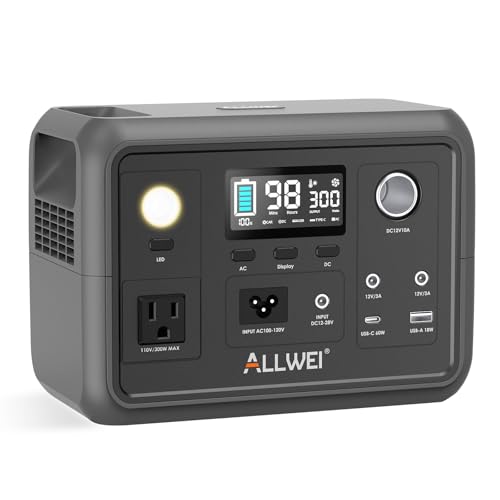
Committing to a year’s preparation signifies a strong dedication to self-sufficiency, including secure storage solutions and alternative power sources.
Ultimately, achieving an off-grid lifestyle represents the pinnacle of prepping, where you depend entirely on your homestead for all your needs, achieving true self-sufficiency.
A Brief History of Preppers
Prepping has deep roots in times of crisis, beginning with the Cold War when fears of nuclear threats prompted individuals to construct fallout shelters.
The Great Depression further influenced survivalism, as many sought to stockpile essential supplies in response to economic uncertainty.
Over the years, significant global events such as 9/11 and the COVID-19 pandemic have propelled prepping into a more mainstream movement centered on self-reliance and emergency preparedness.
Origins of Survivalism
Survivalism has deep roots that trace back to significant historical events, shaping the mindset of those who prepare for the unexpected. The Cold War era heightened fears of nuclear threats, prompting civil defense programs and personal fallout shelters.
Other influential factors include:
- The socio-economic challenges presented by the Great Depression
- Survival seminars led by figures like Harry Browne in the 1960s
- Howard Ruff’s alarming publication in the 1970s regarding economic collapse
- The post-9/11 era and the COVID-19 pandemic, which significantly boosted the mainstream appeal of preparedness
These events underscore the critical importance of personal readiness in the face of disasters and instability.
As you explore survivalism and prepping, consider reflecting on your own preparedness for unforeseen circumstances.
Evolution Through Decades
As the landscape of societal fears and challenges evolved, so did the concept of survivalism and prepping, reflecting the changing times. Your prepping journey might start with the Cold War era and civil defense programs.
In the 1960s, economic worries prompted individuals to stock essential supplies, while the 1970s saw Howard Ruff’s influential book inspire a survivalist culture centered on knowledge and skills.
The post-September 11 era further popularized prepping, and recent global events, like the COVID-19 pandemic, have made it a lifestyle change for many.
Today, survivalism emphasizes readiness, with a focus on having food and water supplies on hand to ensure preparedness for emergencies in an uncertain world.
Common Misconceptions About Prepping
Why do so many people have misconceptions about prepping? A common misconception is that prepping is solely associated with apocalyptic scenarios.
In reality, prepping encompasses a diverse range of activities aimed at addressing everyday emergencies. Here’s what you should know:
- Preppers often prepare for natural disasters and economic instability.
- They actively share knowledge and collaborate with their communities to enhance resilience.
- Prepping isn’t an extreme lifestyle; it’s practical planning that can fit any budget.
- It’s a logical response to uncertainty, much like purchasing insurance for unforeseen events.
Modern Preppers
While many people still cling to outdated stereotypes, modern preppers represent a diverse group committed to practical survivalism and preparedness. They come from a variety of backgrounds and understand the importance of essential skills for everyday emergencies.
In light of current events like climate change and economic instability, preparation has never been more crucial. Modern preppers focus on gathering food supplies, mastering everyday carry items, and building supportive networks through accessible online resources.
This inclusive movement welcomes individuals from all walks of life, emphasizing that preparedness isn’t just for extreme scenarios—it’s about being ready for any challenges that may arise.
The Future of Preppers
Given the rapidly evolving landscape of threats, the future of survivalists and preppers will be defined by their ability to adapt and respond effectively.
It’s crucial to remain vigilant and prepared for emerging challenges such as climate change, economic instability, and potential societal upheaval.
Emphasizing community support and knowledge sharing will be essential in this journey.
Focus on:
- Gathering accurate information to make informed survival decisions
- Developing practical skills that enhance self-sufficiency and resilience
- Maintaining flexibility in strategies to address unforeseen challenges
- Collaborating with diverse groups of preppers to share resources and tactics
As mainstream interest in survivalism grows, remember that your adaptability and resourcefulness will be key to thriving in this uncertain future.
Stay informed, connected with fellow preppers, and always be ready for anything that comes your way.