Shelter-in-place is a crucial survival strategy that directs you to remain indoors during emergencies such as chemical spills, active shooter events, or pandemics. It is essential to close and seal all doors and windows to safeguard against potential external threats, and retreat to a secure area within your home. This temporary measure is vital until authorities confirm it is safe to resume normal activities. Being well-versed in how to implement these protocols can significantly bolster your preparedness for any future crisis. As survivalists and preppers, understanding and practicing shelter-in-place strategies is a key component of your overall emergency preparedness plan.
Key Takeaways
- Shelter in place is a crucial survival strategy that instructs individuals to remain indoors during emergencies to reduce exposure to various threats.
- It encompasses sealing off doors, windows, and ventilation systems to safeguard against harmful contaminants or dangers originating outside.
- Typical scenarios that may necessitate sheltering in place include chemical spills, active shooter situations, and public health crises like epidemics.
- Historical events, such as the Boston Marathon bombing, highlight the importance of having effective shelter-in-place protocols in place.
- To ensure successful implementation and compliance during emergencies, clear communication and thorough preparedness are vital components of a solid survival plan.
Definition of Shelter in Place
Shelter-in-place is an essential survival strategy that plays a crucial role in emergency preparedness. A shelter-in-place order instructs you to remain indoors and fortify your surroundings, significantly reducing your exposure to harmful materials or threats.
This process involves closing all doors and windows, sealing entry points, and relocating to a secure area within your home, such as a central room or basement. By creating an airtight environment, you effectively block outside air from infiltrating your space.
This proactive measure is vital during various emergencies, including chemical spills or extreme weather events. Always remember, this is a temporary action until authorities confirm that it’s safe to resume normal activities.
Being prepared and knowledgeable about sheltering in place can make all the difference in ensuring your safety and that of your loved ones during a crisis.
Types of Emergencies Requiring Shelter-in-Place
In situations where immediate danger arises, understanding the types of emergencies that necessitate shelter-in-place is crucial for survival and preparedness.
Shelter-in-place orders are particularly vital during incidents of chemical contamination, as remaining indoors significantly reduces exposure to harmful substances.
Shelter-in-place orders are essential during chemical contamination, as staying indoors greatly minimizes exposure to harmful toxins.
In active shooter scenarios, lockdown procedures are essential, helping to safeguard you from potential threats.
During epidemics, high-risk individuals may be advised to shelter in place to curb the spread of disease, thereby alleviating pressure on healthcare systems.
Historical events like the Boston Marathon bombing underscore the critical role of shelter-in-place protocols for public safety.
The effectiveness of these measures hinges on properly sealing your indoor environment against airborne contaminants, so it’s imperative to take these precautions seriously and be equipped for any emergency.
Implementation of Shelter-in-Place Orders
In the realm of survivalism and prepping, the implementation of shelter-in-place orders is a crucial skill that can significantly enhance your safety during emergencies. When such an order is issued, residents must act swiftly and decisively: retreat indoors, safeguard children and pets, secure all windows and doors, and lock every entry point. Properly sealing doors, windows, and vents is essential to reduce the risk of exposure to airborne threats.
| Action | Purpose | Duration |
|---|---|---|
| Go indoors | Ensure initial safety | Immediate |
| Lock all entry points | Prevent unauthorized access | Ongoing |
| Close windows and doors | Minimize contamination risks | Until cleared |
| Seal vents | Maximize protective measures | Until cleared |
| Stay informed | Maintain awareness of safety updates | Throughout |
Historical Cases of Shelter-in-Place
Throughout history, various incidents have prompted shelter-in-place orders to protect public safety, underscoring the importance of preparedness in survival situations.
From chemical spills in California to the Boston Marathon bombing manhunt, these responses demonstrate the need for individuals and communities to be ready for emergencies.
Understanding these cases can provide valuable insights into effective survival strategies and the implications for community resilience in the face of crises.
Preparing for such scenarios not only enhances personal safety but also fosters a culture of readiness and self-sufficiency.
Notable Incidents Overview
Shelter-in-place orders have become essential strategies for ensuring public safety during various emergencies, particularly in survivalism and prepping contexts.
In October 2009, Contra Costa County implemented an order following a tragic incident involving a teenager’s suicide related to chemical mixing, which resulted in three hospitalizations.
Similarly, in August 2012, residents in Richmond, CA, were advised to shelter in place due to a significant fire at the Chevron refinery, emphasizing the importance of preparedness in industrial emergencies.
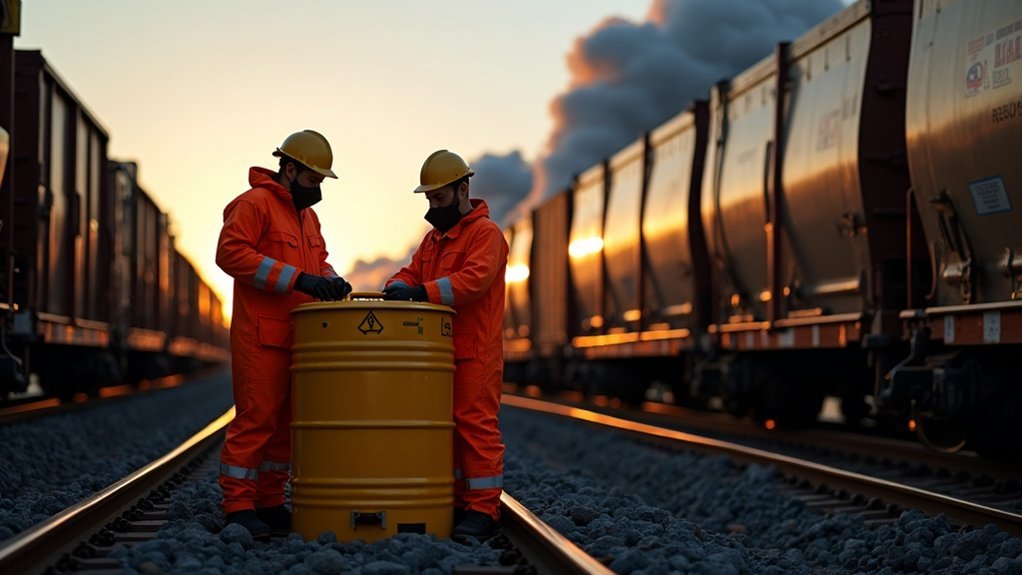
In October 2012, Louisville, KY, issued a shelter-in-place order after a train derailment released hazardous chemicals, illustrating the need for rapid response plans in transportation-related incidents.
The Boston Marathon bombing manhunt in April 2013 also necessitated a shelter-in-place order to safeguard the community.
Most recently, on March 16, 2020, the San Francisco Bay Area took proactive measures against COVID-19, reinforcing the importance of having a plan in place for public health emergencies.
Understanding these incidents is crucial for anyone involved in survivalism and prepping, as they highlight the importance of readiness and response in the face of unexpected challenges.
Emergency Response Strategies
In times of crisis, understanding effective emergency response strategies is crucial for survivalists and preppers. Historical cases of shelter-in-place orders provide valuable lessons that can greatly enhance public safety and individual preparedness.
For instance, the 2009 chemical incident in Contra Costa County prompted immediate shelter-in-place measures to protect residents from harmful contaminants. Similarly, the 2012 Chevron refinery fire in Richmond required swift action to ensure the safety of the community.
In violent situations, such as the 2013 Boston Marathon bombing manhunt, sheltering in place involved locking down and staying away from potential danger. These cases underscore the importance of being prepared with effective protective measures, which can mitigate risks during emergencies, ensuring the safety of individuals and their families amid potential threats.
Emphasizing preparedness through training and planning can empower individuals to respond effectively in crisis situations.
Public Safety Implications
Emergency response strategies have demonstrated that shelter-in-place orders can significantly enhance public safety during various crises, a principle that resonates strongly within the survivalism and prepping community.
Historical examples such as the Contra Costa County incident in 2009 and the Chevron refinery fire in Richmond in 2012 underscore how effectively sealing shelters can mitigate exposure to airborne toxins.
Likewise, the responses in Louisville to a train derailment and the Boston lockdown during the manhunt highlight the critical importance of timely protective measures in protecting lives.
The COVID-19 pandemic further tested these strategies, revealing their vital role in emergency preparedness and planning.
For those focused on survival and resilience, understanding and implementing shelter-in-place protocols is an essential component of safeguarding communities during hazardous situations.
Impact of COVID-19 Shelter-in-Place Orders
As the COVID-19 pandemic unfolded, California’s initial shelter-in-place order on March 16, 2020, marked a pivotal moment in public health strategy and survival preparedness.
This order, accompanied by strict social distancing measures and the closure of non-essential businesses, effectively flattened the outbreak curve in the region. It served as a model for other states and countries, showcasing the importance of having a solid emergency plan and the power of compliance in tackling public health emergencies.
However, the term “shelter-in-place” led to confusion among the public, prompting a shift to “stay-at-home order” for clearer communication.
Ultimately, this experience underscored the necessity of clarity in public health messaging during crises, while also highlighting the value of being prepared and self-sufficient in uncertain times.
Lockdown vs. Shelter-in-Place
While both lockdowns and shelter-in-place orders are crucial concepts in survivalism and prepping, they serve distinct purposes and contexts. A lockdown is typically implemented in response to immediate human threats, such as active shooter situations or violent incidents, focusing on preventing unauthorized entry by securing exterior doors and discouraging exits.
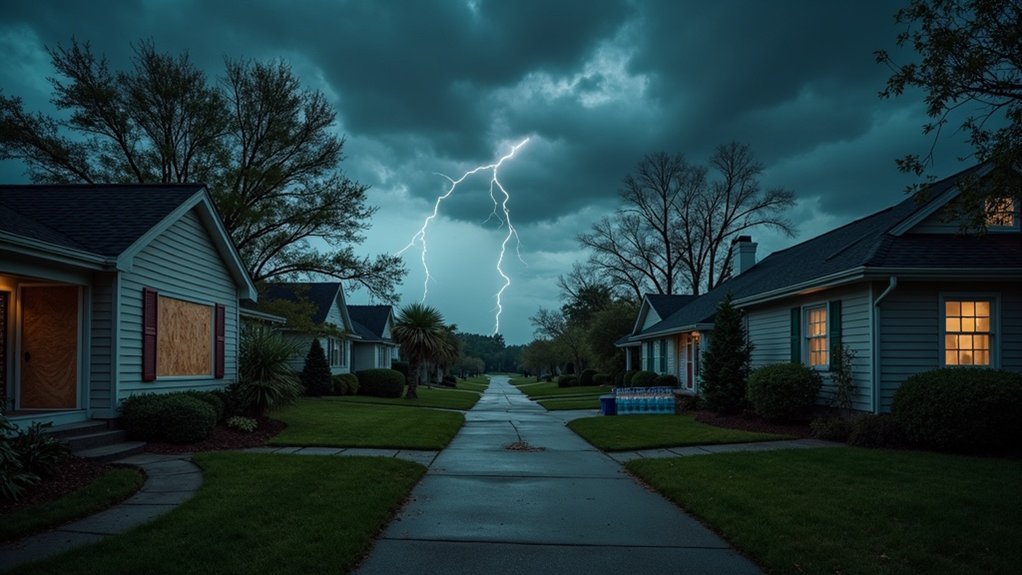
In contrast, shelter-in-place measures are designed to protect you from hazardous outdoor conditions, such as chemical spills, natural disasters, or severe weather. This involves securing your interior space and sealing off areas to prevent outside air contamination.
In the context of prepping, understanding the differences between these two responses is essential for effective emergency planning. Clear communication from authorities during these scenarios is vital to keep you informed about the emergency’s status and any necessary actions.
How to Prepare for Shelter-in-Place
Preparing for a shelter-in-place situation is a critical skill for survivalists and preppers. It requires meticulous planning and swift action to ensure your safety during emergencies.
Start by designating a secure interior room on an upper floor, preferably one with minimal windows and vents to reduce exposure to outside threats.
Ensure all windows and exterior doors are closed and locked tightly to minimize potential contamination from external sources. Assess the space to confirm that everyone can sit comfortably, and if necessary, utilize multiple rooms to accommodate your group.
Equip yourself with reliable communication devices such as cell phones or radios to stay updated with emergency information, but remember to maintain silence to hear any important announcements or instructions.
Finally, it’s essential to shut off all ventilation systems to prevent outside air from entering. Seal any gaps in doors and windows with damp towels or plastic sheeting to create an airtight environment, enhancing your protection against airborne contaminants and other potential dangers.
Always be prepared and stay vigilant.